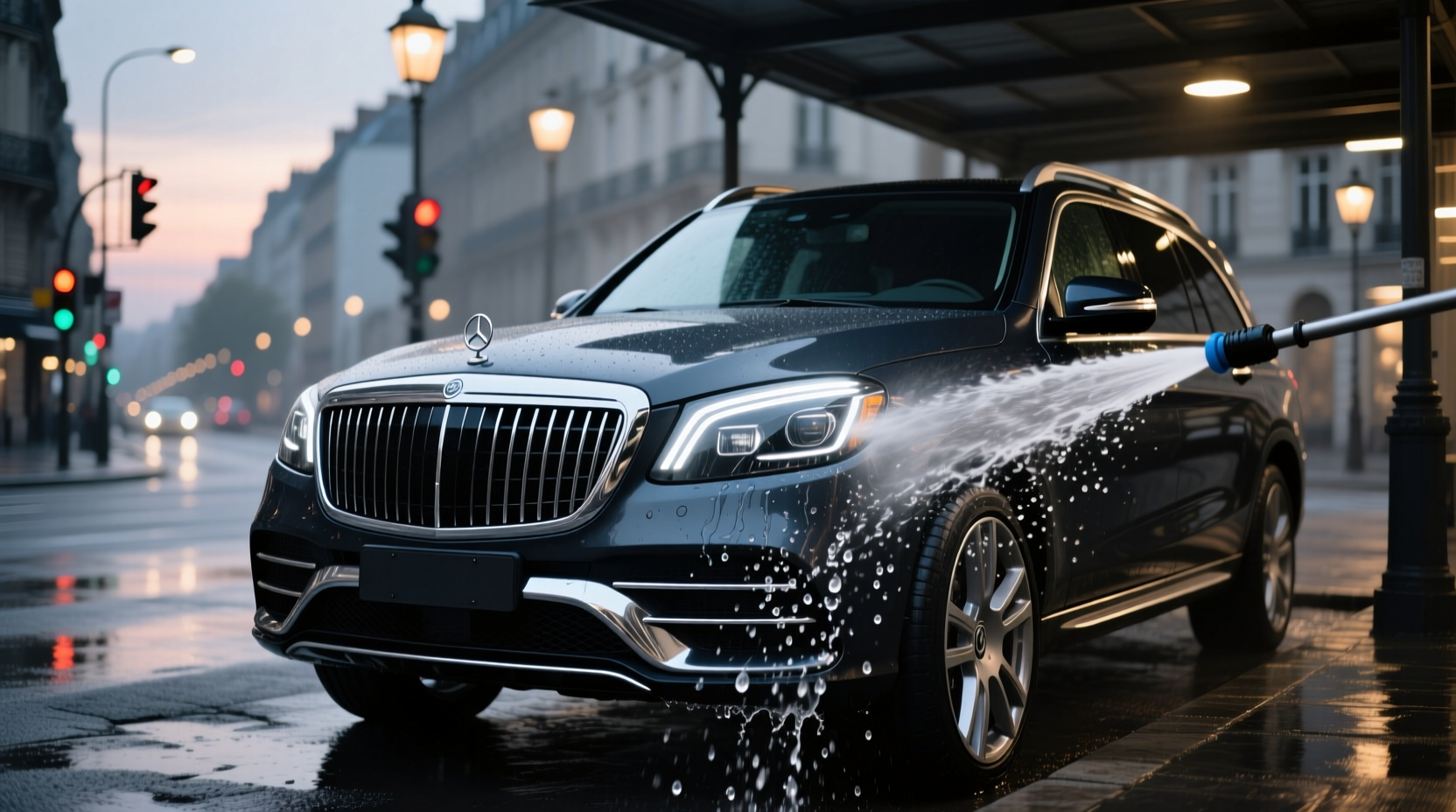
🚗 A headlight washer system is a vehicle feature designed to keep headlights clean by spraying washer fluid onto the lens during operation. This system plays a crucial role in maintaining optimal nighttime and adverse-weather visibility, especially on vehicles equipped with high-intensity discharge (HID) or LED lighting that can scatter light when lenses are dirty. Though not standard across all models, headlight washers are commonly found on European luxury SUVs and all-wheel-drive vehicles built for harsh climates1. Understanding how this system works, why it's fading from new models, and how to troubleshoot common problems can help drivers make informed decisions about safety, maintenance, and vehicle selection.
Why Headlight Washers Matter for Driving Safety
🌧️ Poor visibility due to grimy headlights is an often-overlooked safety issue. Dirt, road grime, salt, and insect residue accumulate on headlight lenses over time, reducing light output by up to 80% according to some studies2. In low-light or rainy conditions, dimmed headlights compromise reaction time and distance perception. The headlight washer system addresses this by automatically activating when windshield wipers are used multiple times, ensuring both forward vision through the windshield and proper illumination from the lights.
This dual-cleaning approach enhances overall driving safety, particularly in regions with frequent precipitation, snow, or unpaved roads. Drivers in Scandinavia, Canada, and mountainous areas report higher satisfaction with vehicles equipped with headlight washers because they reduce the need for manual cleaning during long trips.
How Does a Headlight Washer System Work?
⚙️ The system operates using components integrated into the front bumper or near the headlight assembly:
- Pump: Shares or uses a dedicated electric pump connected to the windshield washer reservoir.
- Nozzles: Small spray jets positioned near the headlights, often hidden behind covers that retract when activated.
- Control Module: Triggers activation based on driver input—typically after several consecutive uses of the windshield washer lever.
- Hoses: Deliver fluid from the reservoir to the nozzles without leakage or blockage.
When you flick the wiper control stalk multiple times (usually two or three), the car’s electronic control unit interprets this as a request to clean both the windshield and headlights. The pump sends pressurized washer fluid through insulated tubing to the headlight nozzles, which then spray a fine mist across the lens surface. Wipers aren't involved—the cleaning relies solely on fluid rinsing away debris.
| Component | Function | Common Issues |
|---|---|---|
| Pump | Pressurizes washer fluid | Failure due to freezing, wear, or clogging |
| Nozzle | Directs spray toward lens | Clogged by dirt or ice; misaligned angle |
| Hose | Transports fluid | Cracks, leaks, disconnection |
| Reservoir | Holds washer fluid | Low fluid level; contamination |
Which Cars Have Headlight Washer Systems?
📍 Historically, automakers like Volvo, BMW, Audi, Mercedes-Benz, and Land Rover included headlight washers as standard or optional equipment on many models. These brands prioritize all-weather performance and safety, making the feature more common in their lineups.
For example:
- Volvo XC60, XC90: Equipped with headlight washers in European markets; often omitted in U.S. trims due to regulatory and cost considerations.
- BMW X3, X5: Available with automatic headlight cleaning, especially on xDrive models.
- Audi A4, Q7: Offer headlight washers paired with Xenon or Matrix LED headlights.
- Toyota GR Supra (older generations): Some variants had them, though newer models do not.
However, recent trends show a decline in availability. Many 2023–2024 model-year vehicles no longer offer the feature, even in premium segments. This shift reflects changing design priorities, reduced demand, and evolving headlight materials that resist clouding better than older plastics.
Are Headlight Washers Required by Law?
🌐 Regulatory requirements vary significantly by region. In Europe, UN Regulation No. 48 mandates that vehicles with headlights emitting more than 2,000 lumens must be equipped with a headlight cleaning system if those lights are used for main beam or dipped beam operation. This rule primarily affects cars with HID or advanced LED systems.
In contrast, the United States does not require headlight washers under Federal Motor Vehicle Safety Standards (FMVSS). As a result, manufacturers often disable or omit the system on U.S.-bound vehicles—even if the same model includes it in Europe. This explains why identical vehicles may have different equipment depending on market destination.
Other countries following European standards (e.g., Australia, New Zealand, parts of the Middle East) may also require or recommend headlight washers for imported vehicles with high-output lighting.
Why Are Headlight Washer Systems Disappearing?
❗ Despite their benefits, headlight washer systems are being phased out for several reasons:
1. Design Complexity and Cost
Adding pumps, hoses, nozzles, and seals increases manufacturing complexity and service costs. With profit margins under pressure, automakers remove low-utilization features to simplify production.
2. Low Usage Rates
Many drivers are unaware of the system or forget to use it. Online forums reveal users asking, “How to activate headlight washer?” years after purchase3. If a feature isn’t regularly used, its value diminishes in consumer surveys and product planning.
3. Reliability Concerns
In cold climates, water in lines can freeze, causing cracked hoses or damaged pumps. Debris clogs nozzles, requiring frequent maintenance. Some owners view the system as more trouble than benefit.
4. Improved Headlight Materials
Modern polycarbonate lenses come with UV-protective coatings and hydrophobic finishes that resist fogging and dirt buildup. While not eliminating the need for cleaning, these advances reduce reliance on active washing systems.
5. Aerodynamic and Styling Changes
Newer vehicle designs emphasize sleek bumpers with minimal protrusions. Integrating functional washer nozzles without compromising aesthetics has become challenging.
How to Use a Headlight Washer System
🔧 Activation methods vary slightly between manufacturers but generally follow a similar pattern:
- Turn on your headlights.
- Flick the windshield wiper control lever upward (for front washer) 2–3 times within a few seconds.
- Wait for a brief delay (often 1–3 seconds), then observe fluid spraying from small nozzles near the headlights.
📌 Note: Some systems only activate when the engine is running and the outside temperature is above freezing. Others may require the car to be in motion. Consult your owner’s manual for exact instructions—search for “headlight washer” or “lens cleaning” in the index.
On certain Mazda models, for instance, the procedure involves turning on the headlights and double-flicking the wiper lever until fluid sprays4. On BMWs, the process is nearly identical but may include a chime or dashboard message confirming activation.
Troubleshooting Common Headlight Washer Problems
🧰 Like any mechanical system, headlight washers can fail. Here are the most frequent issues and how to diagnose them:
No Fluid Coming Out
- Check fluid level: Ensure the windshield washer reservoir is filled with appropriate fluid (use winter-grade in cold weather).
- Inspect hoses: Look under the hood and near the bumper for disconnected or cracked lines.
- Test pump: Listen for a humming sound when activating the system. Silence may indicate a blown fuse or failed motor.
Clogged Nozzles
Dirt or dried fluid can block tiny nozzle openings. To fix:
- Clean the area around the nozzle with a soft cloth.
- Use a pin or compressed air to gently clear the opening.
- Flush the system with warm water or specialized cleaner.
Leaking Hoses or Fittings
If fluid drips under the car or pools in the wheel well:
- Locate the leak by tracing the hose path from reservoir to nozzle.
- Replace damaged sections with OEM-compatible tubing.
- Ensure connections are tight but not over-tightened.
System Activates Incorrectly or Not at All
This could stem from software glitches or sensor malfunctions. Try resetting the body control module by disconnecting the battery for 10 minutes. If the issue persists, a dealership scan tool may be needed to reprogram or recalibrate the system.
Can You Add a Headlight Washer System Aftermarket?
🛒 Yes, retrofit kits are available for some vehicles, though installation complexity varies. Aftermarket systems typically include:
- Secondary pump or T-connector to existing washer line
- Micro-nozzles mountable near headlights
- Relay switch and wiring harness
- Instructions for integration with wiper controls
However, success depends on your vehicle’s compatibility. Cars with limited bumper space or sealed headlight units may not accommodate add-on nozzles. Additionally, integrating with factory electronics (like CAN bus systems) may require professional coding.
Before purchasing a kit, verify fitment for your make, model, and year. Check online communities (e.g., Reddit threads, brand-specific forums) for user experiences with specific kits.
Maintenance Tips for Longevity
✅ To keep your headlight washer system working reliably:
- ✨ Use quality washer fluid: Avoid plain water, which promotes algae growth and freezing.
- 🧼 Clean nozzles monthly: Especially before winter driving seasons.
- 🌡️ Winterize the system: In freezing climates, use de-icing fluid and consider parking in a garage to prevent line blockages.
- 🔍 Inspect hoses annually: Replace brittle or cracked lines before they fail.
- 🔋 Check fuses periodically: Refer to your owner’s manual for fuse box location and ratings.
Alternatives to Factory Headlight Washers
🌍 For drivers whose vehicles lack built-in systems, alternatives exist:
Manual Cleaning
Carry microfiber cloths and spray cleaner for quick wipe-downs at gas stations. While effective, this method requires stopping and isn’t practical during heavy rain or snow.
Hydrophobic Coatings
Products applied to headlight lenses repel water and dirt, mimicking some benefits of active washing. Reapplication every 6–12 months maintains effectiveness.
Automatic Car Washes
Touchless or soft-touch washes can rinse headlights, but aggressive brushes may scratch plastic lenses. Choose services carefully.
Common Misconceptions About Headlight Washers
❌ Despite their straightforward function, several myths persist:
- Myth: Headlight washers are the same as windshield washers.
Fact: They share a reservoir but use separate nozzles and sometimes independent pumps. - Myth: You can use WD-40 to restore headlight clarity instead of washers.
Fact: WD-40 temporarily improves appearance but degrades plastic over time and doesn’t replace proper cleaning5. - Myth: All luxury cars have headlight washers.
Fact: Many modern luxury models omit the feature due to declining demand and regulatory exemptions. - Myth: The system runs whenever headlights are on.
Fact: It only activates manually via the wiper lever sequence.
Should You Prioritize a Vehicle With Headlight Washers?
👥 Whether this feature matters depends on your driving environment and habits:
- ✅ Worth considering if: You drive frequently in muddy, snowy, or dusty conditions; take long night drives; live in a region with strict lighting regulations.
- ❌ Less important if: You park indoors regularly, drive mostly in dry climates, or prefer minimal maintenance systems.
While not essential for every driver, headlight washers enhance safety and convenience in demanding environments. Their gradual disappearance highlights a broader trend toward simplification in automotive design—even at the expense of niche functionality.
Frequently Asked Questions (FAQ)
- ❓ How do I know if my car has a headlight washer system?
- Check your owner’s manual or look for small nozzles near the headlights. Test by rapidly flicking the wiper lever while headlights are on.
- ❓ Can I use the windshield washer fluid for headlight washers?
- Yes—most systems share the same reservoir and fluid. Use a formula suitable for current temperatures.
- ❓ Why won’t my headlight washer spray?
- Possible causes include empty reservoir, clogged nozzle, frozen lines, or electrical fault. Start troubleshooting with fluid level and nozzle inspection.
- ❓ Do headlight washers work with LED headlights?
- Yes, they are especially beneficial for LED and HID lights, which are more sensitive to lens dirt due to focused beam patterns.
- ❓ Are headlight washer nozzles replaceable?
- Yes, individual nozzles can be replaced if cracked or clogged. OEM or aftermarket parts are available for many models.





 浙公网安备
33010002000092号
浙公网安备
33010002000092号 浙B2-20120091-4