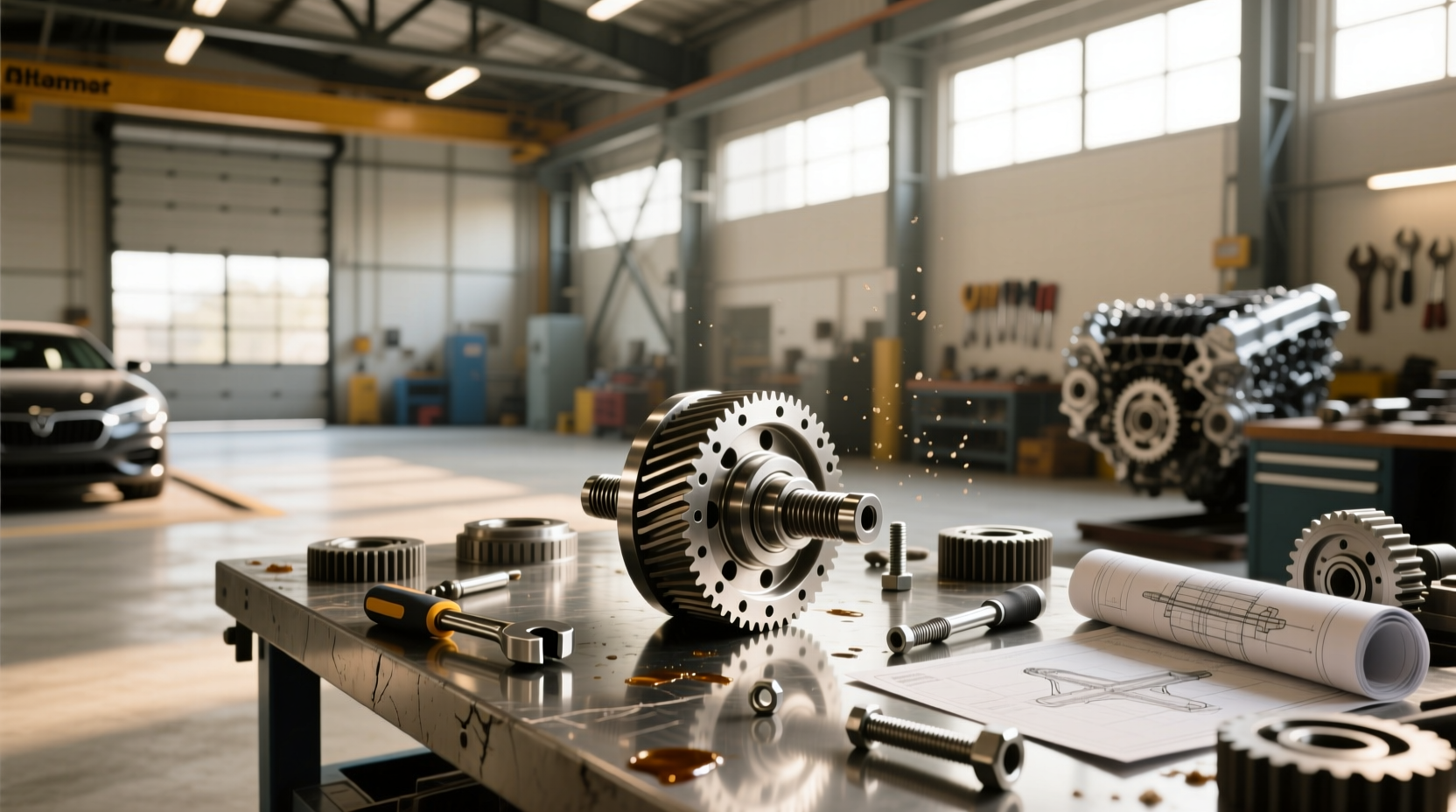
When searching for a mini differential, many users are looking for compact drivetrain solutions suitable for small vehicles, off-road builds, go karts, or performance upgrades. Unlike full-size automotive differentials, a small differential assembly offers space-saving design and lighter weight, making it ideal for custom fabrication, electric micro-cars, or hobby-grade RC platforms1. Whether you're rebuilding a rear axle drive system or sourcing a planetary differential for a drone chassis, understanding the mechanical differences, compatibility factors, and performance trade-offs is essential to avoid costly mismatches.
Understanding the Mini Differential: Definition and Core Function
A mini differential is a scaled-down version of a standard automotive differential, designed to transfer engine power to two output shafts while allowing them to rotate at different speeds—critical when turning corners. This component plays a vital role in maintaining traction and reducing tire wear by balancing torque distribution between wheels. In smaller applications such as go karts, utility vehicles, or lightweight EVs, the reduced size helps minimize overall vehicle weight and complexity without sacrificing functionality.
The term "small differential for sale" often appears in searches from DIY builders, restoration specialists, and motorsport enthusiasts who need compatible parts for niche projects. These units may be used in:
- Electric mini cars and neighborhood electric vehicles (NEVs)
- Off-road buggies and sand rails
- Go karts and junior dragsters
- Remote-controlled (RC) models with live axles
- Custom light-duty trailers or agricultural machinery
Because these systems vary widely in gear ratios, housing materials, spline counts, and mounting configurations, selecting the correct unit requires careful attention to specifications rather than assuming universal fitment.
Common Applications of Mini Differentials
One of the most frequent use cases for a mini differential gearbox is in recreational and educational robotics or engineering projects. For example, students building autonomous rovers or solar-powered carts may choose a pre-assembled helical-gear style differential due to its durability and ease of integration. Similarly, hobbyists modifying RC trucks like Traxxas or Arrma models often upgrade to metal gear differentials for improved heat resistance and longevity under heavy load.
In industrial contexts, companies manufacturing last-mile delivery vehicles or warehouse tuggers might source small differential axle assemblies from suppliers like Alibaba.com to maintain low production costs while ensuring adequate torque handling. Some electric tricycle manufacturers also incorporate mini differentials into their high/low-speed gearbox designs to enhance hill-climbing ability and regenerative braking efficiency.
Another growing market involves classic car restorers seeking replacement parts for vintage British roadsters or Japanese kei cars, where original equipment differentials are no longer available. In such cases, rebuilt or remanufactured units provide a cost-effective alternative to full drivetrain overhauls.
Types of Mini Differentials and Their Mechanical Differences
Not all mini differentials function the same way. The internal mechanism determines how torque is split between wheels, which directly affects handling characteristics. Below are the primary types found in compact applications:
Open Differential
The simplest and most common type, an open differential splits torque equally between both wheels but allows free speed variation. While effective on paved roads, it can lose traction if one wheel lifts or spins on loose terrain. Often used in basic go karts and entry-level EVs due to low cost and minimal maintenance needs.
Limited-Slip Differential (LSD)
A limited-slip unit uses clutches or gears to bias torque toward the wheel with more grip. This improves acceleration out of corners and reduces slippage during aggressive driving. A 28 spline 10-bolt limited-slip locker set is typical in performance mini builds, especially those inspired by muscle car rear ends. Brands like Yukon Gear offer compact LSD variants that fit within tight chassis envelopes.
Locking Differential
A locking diff forces both wheels to turn at the same speed regardless of traction conditions. Ideal for extreme off-road use or rock crawling, but less suitable for daily driving due to increased tire scrub and steering effort. Some electronic lockers can be engaged manually via a switch, offering flexibility between on-road comfort and off-road capability.
Planetary Differential
Used primarily in robotics and precision machinery, planetary designs feature concentric gears that allow compact packaging and high torque density. An Orlandoo Hunter planetary differential might be chosen for a drone landing gear system or automated guided vehicle (AGV). These are typically sealed units requiring little service over time.
Helical-Gear Style Differential
Utilizing angled cut gears, this design runs quieter and smoother than spur-gear equivalents. Frequently seen in higher-end RC kits and small-scale transmissions. Known for self-adjusting preload and consistent performance across temperature ranges.
| Differential Type | Best For | Torque Handling | Maintenance Level |
|---|---|---|---|
| Open | Street karts, NEVs | Low to moderate | Low |
| Limited-Slip | Performance builds | Moderate to high | Moderate |
| Locker | Off-road rigs | High | Moderate |
| Planetary | Robots, drones | Varies | Very low |
| Helical-Gear | RC models, AGVs | Moderate | Low |
Key Factors When Buying a Mini Differential
Selecting the right mini differential isn't just about price or availability—it's about matching technical specs to your application. Here are the critical parameters to verify before purchasing:
Gear Ratio
The ring-and-pinion ratio (e.g., 10/43 or 11/43) determines how many times the driveshaft rotates per wheel revolution. Lower ratios (numerically higher, like 4.88:1) increase acceleration but reduce top speed and fuel efficiency. Higher ratios (like 3.50:1) favor highway cruising. Always confirm whether the ratio aligns with your motor’s RPM range and intended usage.
Spline Count and Shaft Diameter
Differential outputs must match axle shaft splines exactly. Common counts include 28, 30, or 35-spline configurations. Mismatched splines will cause premature wear or failure. Measure existing components or consult OEM documentation before ordering replacements.
Housing Compatibility
Mounting dimensions, carrier width, and flange patterns differ between manufacturers. A unit designed for a Toyota Corolla may not bolt into a Datsun B210 despite similar appearance. Verify center section diameter, bolt pattern, and input yoke type (U-joint vs. CV).
Lubrication Requirements
Some mini differentials require specific gear oils (e.g., 75W-90 GL-5), while others are sealed for life. Operating in dusty or wet environments demands proper sealing to prevent contamination. Check for labyrinth seals or O-rings around input/output shafts.
New vs. Rebuilt Units
A remanufactured differential can save money compared to a brand-new assembly, especially for older vehicles. However, quality varies significantly depending on the rebuilder. Look for warranties, bearing replacements, and gear backlash measurements included in the rebuild process.
Where to Buy Mini Differentials: Online Marketplaces and Suppliers
Several platforms list small differential for sale options, each with pros and cons:
eBay
eBay hosts numerous sellers offering both new and used mini differentials. Use filters for “Guaranteed Fit” and seller ratings above 4.7 to improve reliability. Be cautious of vague listings lacking detailed photos or part numbers.
Alibaba.com
As a wholesale marketplace, Alibaba connects buyers with global manufacturers producing high-quality rear axle drive and differential assembly units for electric mini cars and utility vehicles. Minimum order quantities may apply, but single-unit samples are sometimes available. Verified suppliers often provide ISO certification and product testing reports.
Specialty Performance Shops
Vendors like West Coast Differentials or Quick Performance specialize in light-duty and drag race components. They offer expert support and precise fitment data, though prices tend to be higher than generic retailers.
Avoiding Common Pitfalls When Sourcing Mini Differentials
Many buyers make mistakes based on incomplete information. Here are some frequent issues and how to avoid them:
- Assuming interchangeability: Just because two differentials look similar doesn’t mean they’re compatible. Always cross-reference model numbers and technical drawings.
- Ignoring backlash settings: Improper gear mesh can lead to noise, vibration, and rapid tooth wear. If installing yourself, use a dial indicator and feeler gauge to set correct clearance.
- Overlooking ventilation: Sealed units can build pressure under heat, leading to oil leaks. Ensure breather tubes are clear or consider vented caps.
- Purchasing without return policy: Given the risk of misfit, buy only from sources offering returns or fitment guarantees.
DIY Installation Tips and Tools Needed
If you plan to install a mini differential yourself, gather these tools beforehand:
- Socket set and torque wrench
- Dial indicator and magnetic base
- Pinion depth gauge
- Bearing press (for removing/installing races)
- Clutch alignment tool (if using limited-slip)
Follow factory service manual procedures when adjusting pinion bearing preload and backlash. Incorrect setup can destroy gears within minutes of operation. If unsure, consult a professional driveline shop.
Future Trends in Compact Differential Technology
With the rise of urban mobility solutions and electrified transport, demand for efficient, compact differentials continues to grow. Innovations include integrated motor-differential units for e-bikes and modular designs allowing quick ratio swaps in shared-use fleets. Additionally, additive manufacturing enables complex internal geometries previously impossible with traditional casting methods.
Conclusion: Making the Right Choice for Your Project
Choosing the right mini differential involves balancing performance goals, budget constraints, and technical compatibility. Whether you're restoring a classic mini truck, building a go kart, or designing an autonomous robot, taking time to understand gear types, ratios, and sourcing channels ensures long-term success. Always prioritize verified specs over price alone, and whenever possible, obtain direct manufacturer support for fitment confirmation.
Frequently Asked Questions
- ❓ Can I use a mini differential in a full-sized car?
- No, mini differentials are not rated for the torque and load requirements of standard passenger vehicles. They are designed for lightweight or low-speed applications only.
- ❓ What’s the average price of a small differential assembly?
- Prices vary widely—from $50 for basic RC units to over $800 for performance LSDs. Most functional automotive-grade mini differentials range between $175 and $400.
- ❓ Are there electric vehicle-specific mini differentials?
- Yes, several manufacturers produce compact differentials optimized for hub motors or mid-drive EV conversions, often featuring sealed housings and high-efficiency gearing.
- ❓ How do I know if my mini differential is failing?
- Signs include whining noises under load, oil leaks around seals, excessive play in the output shafts, or uneven tire wear during turns.
- ❓ Can I upgrade from an open to a limited-slip mini differential?
- In many cases, yes—but verify carrier compatibility and ensure the new unit matches your ring gear and axle spline count exactly.





 浙公网安备
33010002000092号
浙公网安备
33010002000092号 浙B2-20120091-4