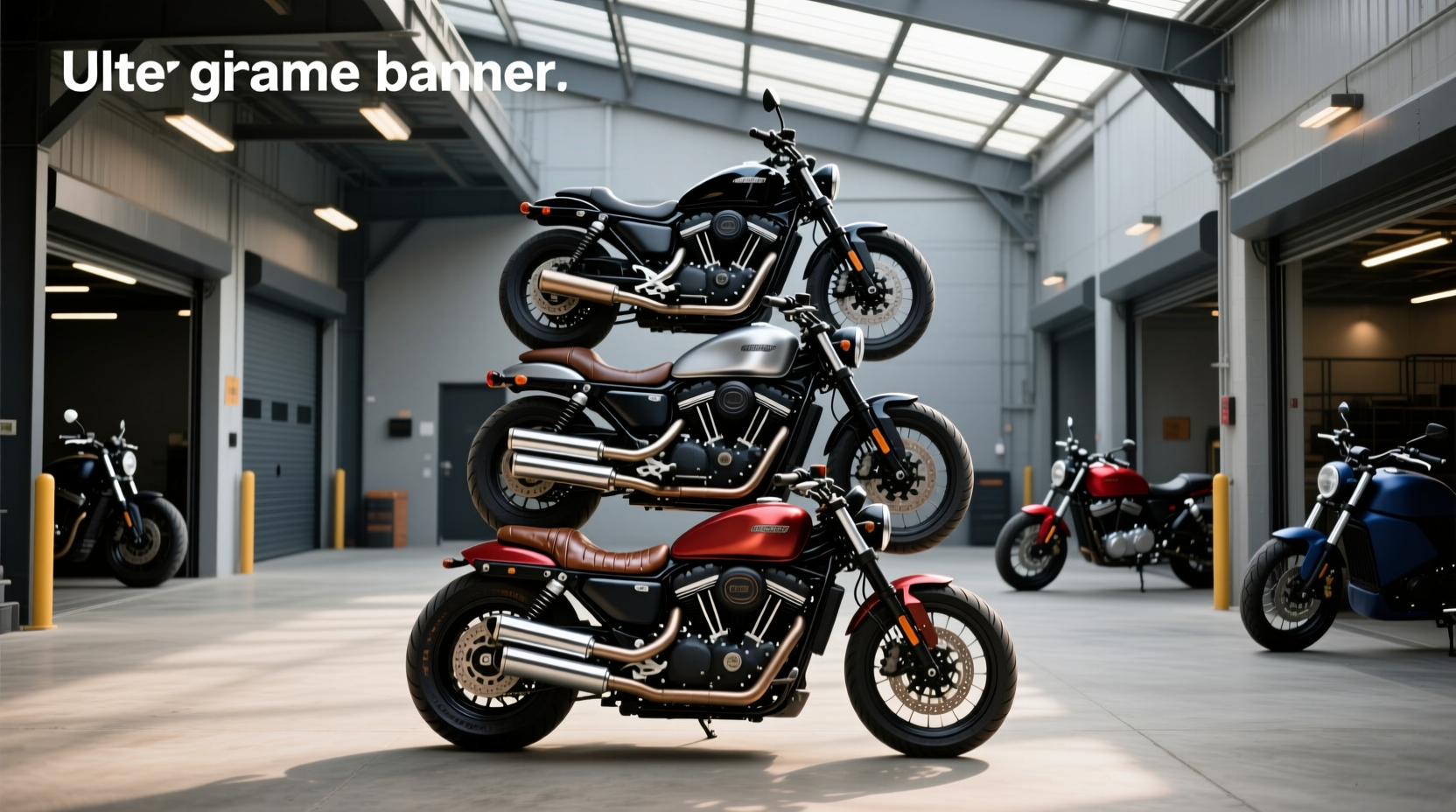
If you're searching for a motorcycle stacker, you're likely facing limited garage space but still want secure, organized storage for multiple bikes. A motorcycle stacker is a vertical or multi-level lifting system designed to store motorcycles off the ground, freeing up floor space while protecting your vehicle from damage and moisture. These systems—also known as motorcycle lifts, parking lifts, or vertical storage solutions—use hydraulic, scissor, pulley, or electric mechanisms to elevate bikes safely. Whether you own one bike or several, understanding how these systems work, their load capacities, space requirements, and safety protocols is essential before investing.
Why Use a Motorcycle Stacker?
Urban living, small garages, and rising property costs have made efficient vehicle storage more important than ever. A motorcycle stacker system addresses this by enabling vertical stacking—essentially doubling or even tripling usable floor space. Instead of leaving your bike exposed on the ground or leaning on a kickstand, a stacker lifts it securely into the air. This not only prevents flat-spotting tires but also reduces exposure to dust, humidity, and accidental bumps.
For enthusiasts with multiple bikes, a stacker allows side-by-side or stacked storage without needing an expanded garage footprint. Some models integrate with car lift systems, letting users park a car beneath a lifted motorcycle. This dual-use functionality makes stackers especially valuable in tight urban workshops or shared residential spaces.
Types of Motorcycle Stackers
Not all stackers are created equal. The right type depends on your garage layout, budget, frequency of use, and whether you need permanent installation. Below are the most common configurations found in both commercial and home settings.
1. Hydraulic Scissor Lifts ⚙️
These are among the most popular due to their stability and smooth operation. A hydraulic scissor mechanism uses fluid pressure to extend interlocking arms that raise a platform vertically. Once raised, mechanical locks engage automatically to prevent accidental descent.
- Capacity: Typically supports 500–1,500 lbs (227–680 kg)
- Best for: Home garages, repair shops
- Pros: Stable base, even weight distribution, minimal sway
- Cons: Requires floor anchoring; needs regular hydraulic maintenance
Some models come with remote controls or foot pedals for hands-free operation. Brands like American Custom Lifts offer the SP1500 model, which fits into corners and has a 1,500-lb capacity1.
2. Electric Two-Post and Four-Post Systems ⚡
Commonly used for cars, these can be adapted for motorcycles using adjustable cradles or wheel trays. They operate via electric motors that drive cables or screws to lift beams.
- Capacity: 3,000+ lbs when modified for dual use
- Best for: Multi-vehicle households, professional workshops
- Pros: High ceiling clearance, compatible with other vehicles
- Cons: Expensive; requires significant headroom and structural support
BendPak offers triple-stacking four-post lifts ideal for stacking multiple light vehicles2. While primarily marketed for cars, they’re increasingly used in mixed garages where space optimization is critical.
3. Wall-Mounted Pulley Systems ✨
A cost-effective alternative for DIY users, these rely on ceiling-mounted pulleys and chains to hoist the bike overhead. Often manually operated, they require user effort but take up zero floor space.
- Capacity: 400–800 lbs depending on hardware
- Best for: Temporary storage, renters, low-budget setups
- Pros: Affordable; easy to install
- Cons: Less stable; requires strong ceiling joists; harder to access regularly
The Moto Stacker, promoted during events like the Australian Motorcycle Grand Prix, uses a pulley-based design with a locking mechanism for added safety3.
4. Rotating Ferris-Wheel Style Systems 🌐
An innovative approach seen in concept videos from tech outlets like GIGadgets, these circular racks rotate to bring one bike down while others remain elevated. Still rare in consumer markets, they represent the future of compact urban parking.
- Capacity: Varies per unit; typically holds 2–4 bikes
- Best for: Showrooms, high-density housing complexes
- Pros: Maximizes visual appeal and accessibility
- Cons: Very high cost; complex installation; limited availability
5. Manual Scissor Tables and Jacks 🔧
Smaller than full lifts, these portable units help raise a motorcycle slightly for tire changes or maintenance. While not true 'stackers' for long-term storage, they serve a similar function in repair workflows.
- Capacity: 450–1,100 lbs
- Best for: Maintenance, short-term elevation
- Pros: Portable; affordable; quick setup
- Cons: Not suitable for extended storage; lacks security features
Products listed on platforms like Shopee and Made-in-China.com often fall into this category, offering basic scissor jacks under RM 1,0004.
Key Features to Evaluate Before Buying
When comparing different motorcycle lift storage solutions, focus on these measurable factors rather than brand names or aesthetics.
Weight Capacity and Bike Compatibility
Always check the maximum load rating and ensure it exceeds your heaviest motorcycle by at least 20%. For example, if your touring bike weighs 800 lbs, choose a system rated for 1,000 lbs or more. Consider wheelbase length and width too—some narrow stands may not accommodate wide cruisers or trikes.
Floor Space and Ceiling Height Requirements
Measure your garage dimensions carefully. Most vertical lifts need at least 9–10 feet of clearance. If ceiling height is limited, consider low-profile scissor designs or wall-mounted options. Also, assess doorway width—if the lift blocks access, usability drops significantly.
Safety Mechanisms
Look for:
✅ Automatic locking pins
✅ Emergency stop buttons (on electric models)
✅ Overload sensors
✅ Non-slip platform surfaces
❗ Avoid systems without redundant safety backups.
Installation Complexity
Hydraulic and electric lifts usually require professional installation, including concrete anchoring and electrical wiring. DIY kits may save money but increase risk if improperly assembled. Always follow manufacturer guidelines and consult a structural engineer if modifying load-bearing walls or floors.
Maintenance Needs
Hydraulic fluid degrades over time; inspect seals annually. Lubricate moving parts every six months. Check cables, chains, and weld points regularly for wear. Neglecting upkeep increases failure risk, especially with heavy loads suspended overhead.
Space-Saving Benefits vs. Practical Limitations
The primary advantage of a space-saving motorcycle parking solution is obvious: reclaiming floor area. However, trade-offs exist.
| Benefit | Limitation |
|---|---|
| Freely usable floor space below | Requires sufficient ceiling height |
| Protection from moisture and pests | Higher initial investment |
| Reduced risk of tip-over accidents | Limited access frequency (best for infrequent riders) |
| Enables multi-vehicle storage | May void home insurance if unapproved |
DIY vs. Pre-Built Motorcycle Stackers
Some users explore building their own stacker to cut costs. While possible, this carries serious risks unless you have engineering knowledge and welding skills.
A DIY project might involve repurposing a car jack, adding a steel frame, and installing guide rails. YouTube tutorials, such as those from Cafe Racer Garage, suggest reinforcing the central hydraulic ram and widening ramps for safer rollout5. But homemade lifts rarely meet industrial safety standards and lack liability coverage.
Pre-built systems undergo load testing and often comply with CE or ANSI regulations. Unless you’re prototyping for personal use in a controlled environment, off-the-shelf products are strongly recommended.
Where to Buy Motorcycle Stackers
Global marketplaces like Alibaba.com list numerous suppliers offering everything from small scissor jacks to full garage integration systems. When purchasing online:
- Verify material specifications (e.g., ASTM-certified steel)
- Request third-party test reports if available
- Check return policies and warranty terms
- Avoid unusually low prices—may indicate substandard components
Local dealers may offer installation services and post-purchase support, which can outweigh minor price differences.
Common Misconceptions About Motorcycle Stackers
Several myths persist that could mislead buyers:
- Myth: Any lift can hold any motorcycle.
Reality: Weight distribution matters. Choppers with long front ends may exceed leverage limits. - Myth: All hydraulic systems are equally safe.
Reality: Cheaper units may skip pressure relief valves or fail-safe locks. - Myth: Stackers are only for collectors.
Reality: Even single-bike owners benefit from cleaner, drier storage. - Myth: Installation is simple for anyone.
Reality: Anchoring into concrete or framing requires proper tools and expertise.
How to Maintain Your Motorcycle Stacker
Regular care extends lifespan and ensures safety:
- Monthly: Inspect for loose bolts, worn cables, or corrosion.
- Every 6 Months: Lubricate pivot points and clean debris from tracks.
- Annually: Test emergency stops and review load capacity labels.
- After Heavy Use: Examine hydraulic lines for leaks or bulges.
Keep an inspection log and replace parts according to the manufacturer’s schedule. Never exceed rated capacity, even temporarily.
Alternatives for Riders Without Garages
If you don’t have indoor space, consider:
- Covered outdoor shelters: UV-resistant enclosures with ventilation
- Portable canopy garages: Pop-up structures with weatherproofing
- Self-storage units: Climate-controlled options with 24/7 access
- Community co-op garages: Shared workshop spaces with built-in lifts
While none match the protection of an indoor stacker, these alternatives provide better defense than street parking.
Final Considerations Before Investing
A motorcycle stacker isn't just a convenience—it's a long-term investment in your bike’s condition and your workspace efficiency. Before committing:
- Confirm local building codes allow structural modifications
- Consult your insurer about liability implications
- Assess how often you ride—if daily, frequent lifting may become impractical
- Test accessibility—can you easily remove the bike in emergencies?
Choose based on actual usage patterns, not just novelty. A well-chosen stacker should enhance—not complicate—your riding lifestyle.
Frequently Asked Questions
- Can I install a motorcycle stacker in a rented garage?
- Only if permitted by your lease and landlord. Most require permanent anchoring, which may violate rental agreements. Wall-mounted or portable jack systems are safer alternatives.
- Are motorcycle stackers safe for long-term storage?
- Yes, provided they meet load ratings and include automatic locking mechanisms. Always perform routine inspections to ensure continued reliability.
- Do I need special training to operate a motorcycle lift?
- No formal certification is required for personal use, but reading the manual thoroughly and practicing with lighter loads first is highly recommended.
- Can I use a car lift for my motorcycle?
- Yes, if equipped with adjustable adapters or wheel trays. However, ensure the contact points won’t damage rims or suspension components.
- How much does a typical motorcycle stacker cost?
- Prices range from ~$200 for basic scissor jacks to over $6,000 for fully automated hydraulic systems. Mid-range models with solid safety features typically cost between $1,500–$3,500.





 浙公网安备
33010002000092号
浙公网安备
33010002000092号 浙B2-20120091-4