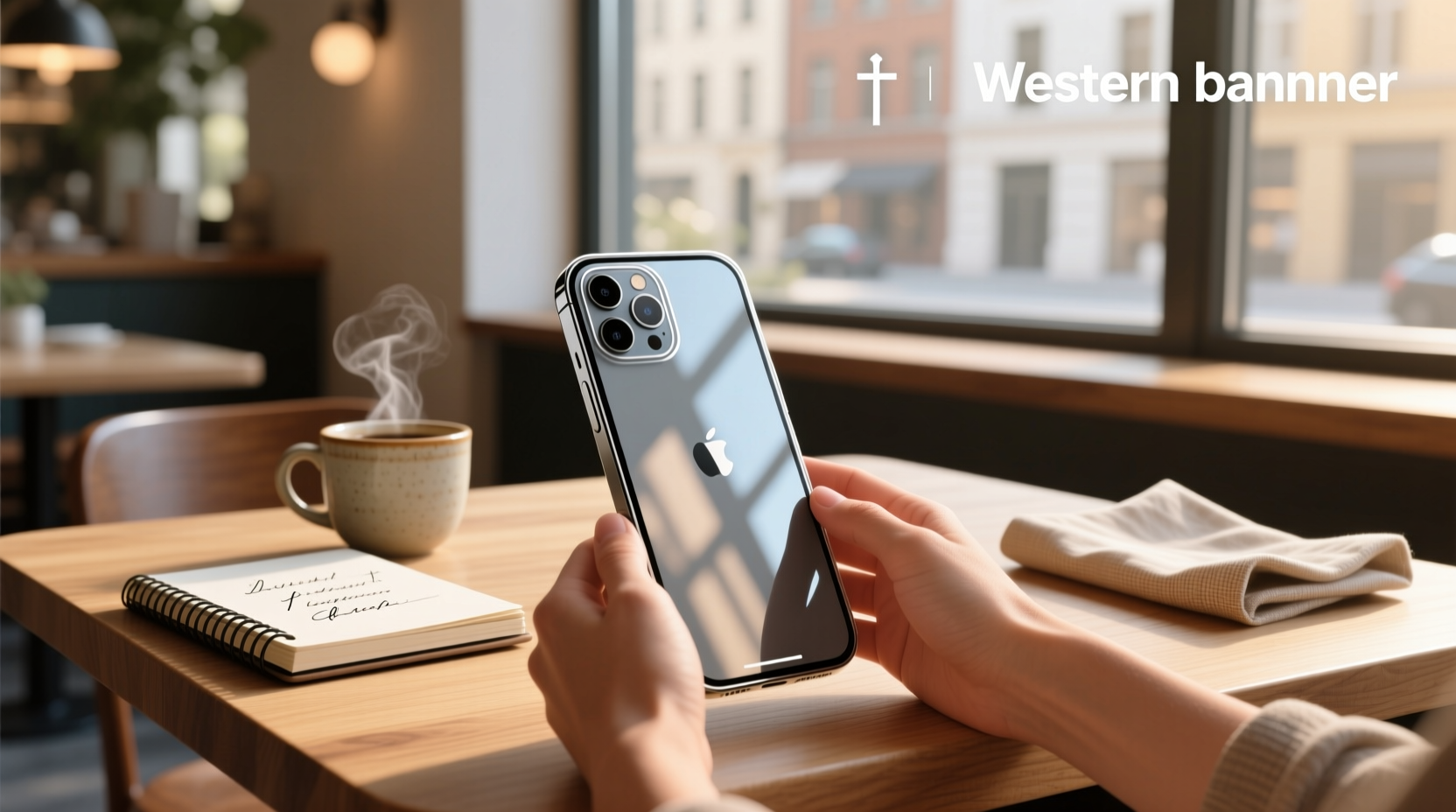
Yes, paint protection film (PPF) can be used as a ppf screen protector for automotive infotainment displays, offering scratch resistance and fingerprint repellency without significantly affecting touchscreen sensitivity or clarity. While traditionally applied to exterior paint, advancements in ultra-thin, optically clear PPF materials now make interior use—especially on digital dashboards and center consoles—a viable option for vehicle owners seeking durable protection against daily wear1. However, proper installation technique, material selection, and compatibility with capacitive touch technology are critical factors that determine success.
What Is PPF and How Does It Work on Screens?
Paint Protection Film (PPF) is a thermoplastic urethane film originally developed to shield aircraft coatings from debris during flight. In the automotive world, it's widely used to prevent rock chips, scratches, and environmental damage on painted surfaces. The same self-healing, transparent properties that protect fenders and hoods can also benefit high-use interior components like touchscreens.
When adapted for screens, PPF functions similarly to a smartphone screen protector but with enhanced durability. Unlike standard PET-based protectors, premium PPF formulations offer:
- Self-healing capabilities for minor surface scratches ✅
- Hydrophobic and oleophobic coatings to resist fingerprints and smudges ✨
- High optical clarity with matte or gloss finishes 🌐
- Better adhesion and longevity than plastic films 🔧
The key difference lies in thickness and flexibility. Automotive-grade PPF typically ranges from 6–8 mils (150–200 microns), which may interfere with touch responsiveness if not properly engineered. For screens, manufacturers now produce thinner variants—around 3–5 mils—that maintain sensitivity while still providing impact absorption and abrasion resistance.
Why Consider PPF Instead of Traditional Screen Protectors?
Many drivers assume that only rigid tempered glass or thin plastic films should cover their vehicle’s display. But there are compelling reasons why some choose ppf screen for car systems instead:
| Feature | Traditional Screen Protector | PPF Screen Protector |
|---|---|---|
| Thickness | 0.1–0.3 mm (glass), ~0.1 mm (plastic) | 0.075–0.125 mm (thin PPF) |
| Scratch Resistance | High (glass), Low (plastic) | Moderate to High (self-healing) |
| Fingerprint Resistance | Varies | Typically high (coated) |
| Touch Sensitivity Impact | Minimal | Slight risk if too thick |
| Lifespan | 6–18 months | 3–5 years |
| Installation Method | Dry application | Wet or dry (requires precision) |
| Edge Lifting Risk | Common over time | Lower with proper seal |
As shown, PPF offers longer-term value despite a steeper learning curve for installation. Its ability to conform seamlessly to curved or recessed screens gives it an edge over rigid protectors, especially in modern vehicles where displays wrap around dash contours.
Common Applications: Where Is PPF Used Inside Vehicles?
While the central infotainment unit is the most common candidate for a ppf touchscreen upgrade, other interior surfaces also benefit:
- Instrument clusters: Digital gauge panels prone to glare and micro-scratches from cleaning cloths.
- Climate control touchpads: Found in BMW iDrive, Mercedes MBUX, and others; frequently touched and easily scratched.
- Center console buttons and trim: Piano black surfaces that show every fingerprint and fine line.
- Steering wheel controls: Especially those with capacitive sensors.
Interior PPF films are often satin or matte-finished to reduce reflections and mimic OEM textures. This makes them less noticeable than glossy plastic overlays, preserving the factory aesthetic while adding protection2.
How to Apply PPF on a Car Screen: Step-by-Step Process
Applying PPF to a sensitive electronic display requires more care than wrapping fenders. Mistakes can lead to bubbles, poor adhesion, or even temporary touch malfunction due to moisture residue. Here’s a professional-grade process:
- Power down the system: Turn off the ignition and wait at least 10 minutes to ensure no residual current affects the screen.
- Clean thoroughly: Use a lint-free cloth and alcohol-free screen cleaner. Avoid ammonia-based products that can degrade anti-reflective coatings.
- Prepare the film: Cut the PPF slightly larger than the screen if doing a custom fit. Pre-cut kits are available for models like Tesla Model 3/Y, BMW G60, and Ford F-150 Lightning.
- Use wet application method: Spray a mixture of distilled water and a drop of dish soap onto the screen. This allows repositioning during placement.
- Peel and lay carefully: Remove backing slowly, aligning edges precisely. Use a soft squeegee to push out liquid from center outward.
- Seal edges: Allow 24–48 hours for full drying. Edges will naturally contract and adhere tightly.
- Test functionality: Reboot the system and verify all touch inputs respond correctly.
Some users report initial cloudiness or tiny bubbles post-installation. These usually dissipate within 72 hours as trapped solution evaporates. If touch responsiveness feels delayed, check for excess moisture near sensor zones or consider a thinner film variant.
Do Major Brands Make PPF Specifically for Screens?
While companies like XPEL, 3M, and STEK produce interior-grade PPF suitable for screens, few market dedicated “screen-only” versions. Most rely on universal thin-gauge films such as:
- XPEL ULTIMATE VEU Interior Film
- STEK Supreme Defense Film (SDF)
- 3M Scotchgard Pro Series Interior Protection
These are designed for non-porous surfaces including glass, polycarbonate, and acrylic—materials commonly found in dashboard displays. They feature optical clarity exceeding 99% and minimal haze, ensuring readability under sunlight.
However, consumer discussions on forums like Reddit (r/TeslaModelY, r/Detailing) reveal mixed experiences. Some users successfully apply PPF to iDrive 8 and Tesla Cybertruck interfaces, noting improved scratch resistance after months of use. Others caution against DIY attempts without proper tools, citing risks of damaging OLED layers or creating parallax issues3.
Pros and Cons of Using PPF on Touchscreens
Before deciding whether a ppf screen samsung-style solution fits your needs (even if not literally Samsung-branded), weigh these advantages and drawbacks:
✅ Advantages
- Durability: Lasts 3–5 years vs. 6–12 months for standard protectors.
- Self-healing: Minor scuffs disappear with heat exposure (sunlight or warm cloth).
- Conformability: Adapts perfectly to curved or recessed screens.
- No yellowing: UV-stable polymers resist discoloration over time.
- Easy maintenance: Wipe clean with microfiber; resists oils and dust buildup.
❗ Disadvantages
- Higher upfront cost: $40–$60 per sheet vs. $10–$20 for basic protectors.
- Installation complexity: Requires patience and skill; not ideal for beginners.
- Potential touch interference: Thicker films may reduce sensitivity, especially on older capacitive systems.
- Availability: Few pre-cut options compared to phone-style protectors.
- Removal challenges: Strong adhesive may leave residue if removed improperly after years.
Myths and Misconceptions About PPF on Screens
Several myths persist about using PPF inside vehicles. Let’s clarify:
- Myth: PPF damages screens. Truth: When applied correctly, PPF does not harm LCD/OLED panels. It acts as a passive barrier.
- Myth: Only professionals should install it. Truth: DIY kits with alignment guides and squeegees enable successful home application with practice.
- Myth: All PPF is too thick for screens. Truth: Specialized interior films exist specifically for delicate electronics.
- Myth: It affects display brightness. Truth: High-clarity PPF reduces light transmission by less than 2%, imperceptible to human eyes.
Alternatives to PPF for Screen Protection
If PPF seems too involved, consider these alternatives:
- Tempered Glass: Offers best scratch resistance but limited curvature support.
- TPE (Thermoplastic Elastomer) Films: Flexible, affordable, but shorter lifespan.
- OEM Covers: Factory-offered accessories (e.g., Tesla’s optional screen guard) designed for perfect fit.
- No protector: Rely on careful use and regular cleaning—riskier but avoids any film-related issues.
The choice depends on your driving habits, climate, and tolerance for potential imperfections. Frequent passengers or families with children may benefit more from robust PPF, while solo commuters might prefer minimalist solutions.
Cost and Longevity: What to Expect
A quality PPF screen protector typically costs between $40 and $60 for a single piece, depending on size and brand. Labor costs for professional installation range from $75 to $150, though many opt for DIY to save money.
Lifespan varies based on usage and environment:
- In moderate climates: 4–5 years
- In hot/sunny regions: 3–4 years (UV accelerates aging)
- With frequent chemical cleaners: Reduced longevity
Unlike paint-mounted PPF, interior versions aren’t exposed to road debris or extreme temperature swings, so they tend to last longer relative to their thickness.
How to Choose the Right PPF for Your Vehicle’s Screen
Not all films are created equal. To select the best option, evaluate these criteria:
- Optical Clarity: Look for >99% transparency rating.
- Thickness: Aim for 75–125 microns for balance between protection and sensitivity.
- Finish Type: Matte reduces glare; gloss enhances color vibrancy.
- Adhesive System: Silicone-based adhesives offer better removability and repositioning.
- Compatibility: Confirm suitability for capacitive touchscreens.
- Warranty: Reputable brands offer 3–5 year warranties against yellowing or delamination.
Always test a small sample if possible, especially when buying online. Check return policies and verify authenticity through distributor networks.
Regional Differences and Availability
Access to specialized interior PPF varies globally. North America and Europe have broader availability through auto detailing shops and online retailers. In Latin America and parts of Asia, options may be limited to generic imports or local cuts without precise templates.
For example, Mercado Libre listings in Mexico show demand for protección ppf de pantalla, indicating growing regional interest. However, quality control can vary, so buyers should scrutinize reviews and request material specifications before purchasing.
Final Recommendation: Should You Use PPF on Your Car Screen?
Using a ppf screen protector is a practical choice for drivers who prioritize long-term interior preservation and don’t mind investing time or money into proper installation. It’s particularly beneficial for:
- New vehicles being kept long-term
- Fleet or rental cars with heavy user turnover
- Vehicles parked outdoors with direct sun exposure
- Owners with children or frequent passengers
However, avoid PPF if:
- Your screen has a fragile anti-glare coating
- You’re uncomfortable with wet-application techniques
- You plan to resell soon and want zero modifications
- You rely on facial recognition or IR sensors near the display (film could interfere)
In summary, PPF is not just for paint—it’s evolving into a comprehensive interior protection solution. With careful selection and correct application, it can extend the life and appearance of your car’s digital interface far beyond what traditional protectors offer.
Frequently Asked Questions
- Can you put PPF on a car screen?
- Yes, provided you use a thin, optically clear interior-grade PPF designed for electronic displays. Proper installation ensures no impact on touch sensitivity or visibility.
- How much does PPF for a car screen cost?
- Material alone ranges from $40 to $60. Professional installation adds $75–$150. DIY reduces total cost significantly.
- What is the disadvantage of PPF on screens?
- Potential reduction in touch sensitivity, difficult removal after years, higher initial cost, and need for precise installation to avoid bubbles or misalignment.
- How long will a PPF film last on a touchscreen?
- Typically 3 to 5 years, depending on climate, usage, and exposure to cleaning chemicals.
- Does PPF affect screen clarity or brightness?
- High-quality PPF reduces light transmission by less than 2%, which is generally imperceptible. There should be no noticeable distortion or color shift.





 浙公网安备
33010002000092号
浙公网安备
33010002000092号 浙B2-20120091-4