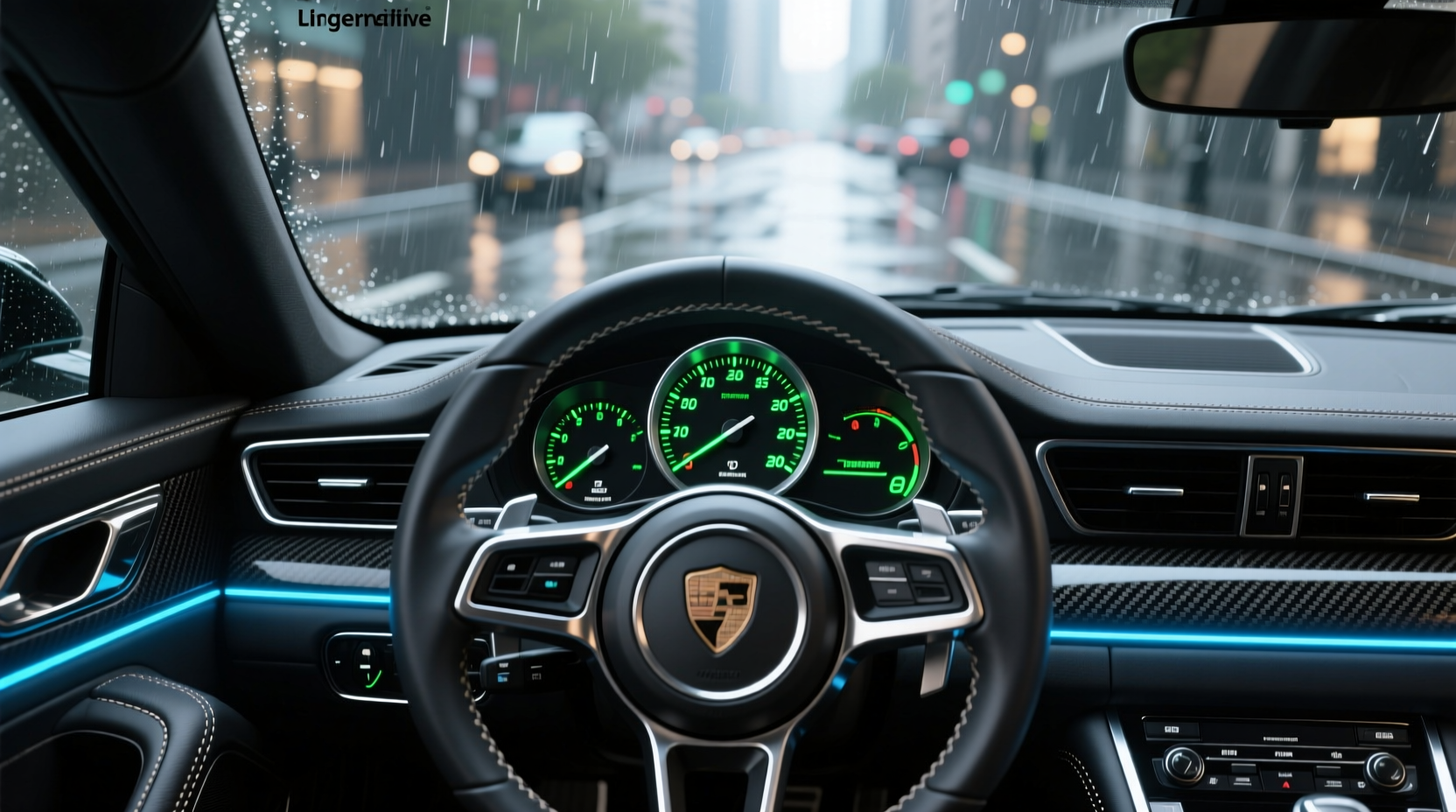
When drivers or riders search for information on speedometer tachometer functions, they're often trying to understand how these two essential gauges differ, why both matter, and what happens when one fails. The core answer is this: a speedometer measures vehicle speed (in mph or km/h), while a tachometer displays engine RPM (revolutions per minute). Both are critical for monitoring performance, safety, and mechanical health—especially in motorcycles and high-performance vehicles like KTMs, Husqvarnas, and ATVs where precision matters.
This guide breaks down everything you need to know about speedometers and tachometers—from how they work and where they’re used, to common issues like inaccurate readings, replacement costs, and compatibility concerns. We’ll also cover diagnostic tips, upgrade considerations, and practical advice for choosing between digital and analog models based on your riding style and vehicle type.
Understanding Vehicle Instrumentation: Why Gauges Matter
Gauges are more than just dashboard decorations—they provide real-time feedback that helps prevent mechanical damage, improves fuel efficiency, and enhances control. In modern vehicles, especially off-road bikes and performance machines, having accurate instrumentation can be the difference between a smooth ride and an unexpected breakdown.
The two most frequently monitored instruments are the speedometer and the tachometer. While some entry-level scooters or older models may only include a speedometer, most mid-to-high-end motorcycles and sports vehicles come equipped with both. Let’s explore each in detail.
What Does a Speedometer Do?
A speedometer shows how fast your vehicle is moving relative to the ground. It typically displays speed in miles per hour (mph) or kilometers per hour (km/h), depending on regional settings or manufacturer specifications.
There are two main types:
- Analog (mechanical) speedometers: Use a cable connected to the transmission or wheel hub. As the wheel turns, it spins the cable, which moves the needle across the dial.
- Digital speedometers: Rely on electronic sensors (often Hall-effect or magnetic pickup sensors) that send signals to a microprocessor, which then updates the display digitally.
Digital versions are now standard in newer models due to higher accuracy and integration with other systems like GPS, ABS, and CAN bus networks 1.
Common applications include street-legal dual-sport bikes such as KTM Duke or EXC-F series, where compliance with traffic laws requires reliable speed measurement.
How Accurate Are Motorcycle Speedometers?
Most OEM speedometers have a margin of error between 2–5%. This means if your bike reads 60 mph, you might actually be traveling at 57–61 mph. Factors affecting accuracy include:
- Tire size and wear
- Aftermarket wheels or gearing changes
- Sensor alignment or magnet strength (in digital setups)
- Software calibration
If you notice significant discrepancies—like your GPS showing 45 mph while the gauge reads 55—it’s worth checking the sensor or recalibrating the system.
What Is a Tachometer and Why Is It Important?
A tachometer, often called a “tacho,” measures engine crankshaft revolutions per minute (RPM). It tells you how hard the engine is working and helps determine the optimal time to shift gears—especially crucial in manual transmission vehicles.
For example, in a KTM 390 Duke or Husqvarna FC 450, exceeding the redline (usually marked in red on the gauge) without upshifting can lead to engine knocking, overheating, or valve float. Conversely, lugging the engine at too low an RPM under load can cause stalling or excessive carbon buildup.
Tachometers are less common on small-displacement bikes (<250cc) but standard on sport bikes, adventure tourers, and performance-oriented models.
Digital vs Analog Tachometers
Like speedometers, tachometers come in analog and digital forms:
- Analog tachos: Feature a sweeping needle and are valued for their immediate visual feedback.
- Digital tachos: Display RPM numerically, sometimes with bar graphs or color-coded zones indicating safe operating ranges.
Modern digital clusters often combine both speed and RPM into a single LCD or TFT screen, offering customizable layouts and backlighting options.
Key Differences Between Speedometer and Tachometer
To clarify confusion, here's a direct comparison:
| Feature | Speedometer | Tachometer |
|---|---|---|
| Measures | Vehicle speed (mph/km/h) | Engine RPM |
| Purpose | Monitor travel speed, obey traffic laws | Optimize shifting, avoid engine strain |
| Essential For | All road vehicles | Manual transmissions, performance bikes |
| Signal Source | Wheel speed sensor or transmission output | Ignition system or crankshaft position sensor |
| Common Issues | Inaccurate reading, flickering display | Erratic needle, no response |
Do All Motorcycles Have Both Gauges?
No—not all motorcycles include both a speedometer and a tachometer. Entry-level dirt bikes or commuter scooters may only feature a speedometer because RPM management isn’t as critical in automatic or semi-automatic models.
However, if you're riding a machine with a manual clutch and sequential gearbox (e.g., KTM 250 EXC-F, Husqvarna TE 300i), having a tachometer significantly improves control during acceleration, cornering, and technical trail sections.
Some riders retrofit aftermarket digital gauges that combine both functions into a compact unit, especially for off-road builds where weight and space are concerns.
Common Problems With Speedometers and Tachometers
Instrument failure can stem from various causes. Here are frequent issues and troubleshooting steps:
🔸 Speedometer Not Working?
- Symptom: No reading, erratic jumps, or zeroed out even when moving.
- Causes: Damaged speed sensor, broken wiring, dead internal battery (in digital units), or magnet detachment.
- Solution: Check connections, test the sensor with a multimeter, inspect for physical damage. On KTM models, ensure the speedo pickup magnet is intact near the front wheel 2.
🔸 Tachometer Fluctuating or Dead?
- Symptom: Needle bouncing, stuck at zero, or not responding to throttle input.
- Causes: Faulty ignition coil signal, bad ground connection, damaged ECU input, or internal gauge malfunction.
- Solution: Inspect spark plug wires, verify power supply to the instrument cluster, and check for error codes via OBD-II or dealer software.
🔸 Backlight Failure or Dim Display
Many users report dim or non-functional backlighting, especially on older KTM models. This can make night riding dangerous. Possible fixes include replacing LED bulbs in analog clusters or ensuring firmware updates haven't disabled illumination settings in digital TFTs.
Upgrading Your Instrument Cluster
Whether you're restoring a vintage bike or modifying a modern off-roader, upgrading your speedometer or tachometer can improve readability, reliability, and functionality.
Aftermarket Options
Brands like Trail Tech offer universal digital speedometer kits (e.g., Endurance II) that work across multiple brands including KTM, Husqvarna, and GasGas 1. These units often include:
- Waterproof housing
- Adjustable backlight colors
- Tripmeter, average speed, max speed tracking
- Compatibility with stock sensors or optional add-ons
They’re popular among enduro riders who want durability and data-rich displays without relying on factory parts that may be discontinued.
OEM Replacements
If you prefer original equipment, OEM replacements are available through authorized dealers or online suppliers. However, prices vary widely—from $100 for basic units to over $1,500 for advanced TFT clusters with CAN bus integration (e.g., KTM part #93314069000).
Before buying, confirm compatibility with your model year and engine type. Some clusters require pairing with the ECU using diagnostic tools.
Cost Considerations: How Much Should You Pay?
Pricing depends heavily on technology, brand, and fitment:
- Basic analog speedometer: $50–$150
- Digital universal gauge (speed + tach): $100–$250
- OEM digital cluster (KTM Duke 390): $250–$600
- High-end TFT with CAN/ABS support: $1,500+
While cheaper options exist on marketplaces, verify authenticity and warranty coverage. Counterfeit or poorly calibrated units may fail prematurely or compromise safety.
Installation Tips and Best Practices
Replacing or installing a new gauge requires attention to detail:
- Disconnect the battery before starting any electrical work.
- Match sensor types: Ensure the new unit supports your existing speed sensor (magnetic vs. hall effect).
- Secure wiring: Use zip ties and protective conduit to prevent chafing.
- Test before final assembly: Power the unit and verify all functions work prior to mounting.
- Calibrate if needed: Some digital gauges allow manual calibration using tire diameter inputs.
For complex installations involving CAN bus systems, professional help may be necessary to avoid communication errors.
Frequently Asked Questions (FAQs)
- Can I drive safely if my speedometer stops working?
- You can operate the vehicle short-term using GPS apps for speed reference, but prolonged use without a functioning speedometer increases legal and safety risks, especially on public roads.
- Is a tachometer necessary for automatic motorcycles?
- Not strictly necessary, since automatics handle shifting automatically. However, it can still help monitor engine load and detect abnormalities.
- Why does my digital speedometer flicker?
- Flickering often indicates loose wiring, voltage fluctuations, or a failing internal power regulator. Check connections and test battery output.
- Can I install a universal speedometer on a KTM?
- Yes, many universal digital gauges are compatible, provided they match the signal type from your speed sensor. Verify compatibility before purchase.
- How do I reset the trip odometer on a KTM speedometer?
- Refer to your owner’s manual. Typically, press and hold the mode/select button when the trip reading is displayed until it resets.





 浙公网安备
33010002000092号
浙公网安备
33010002000092号 浙B2-20120091-4