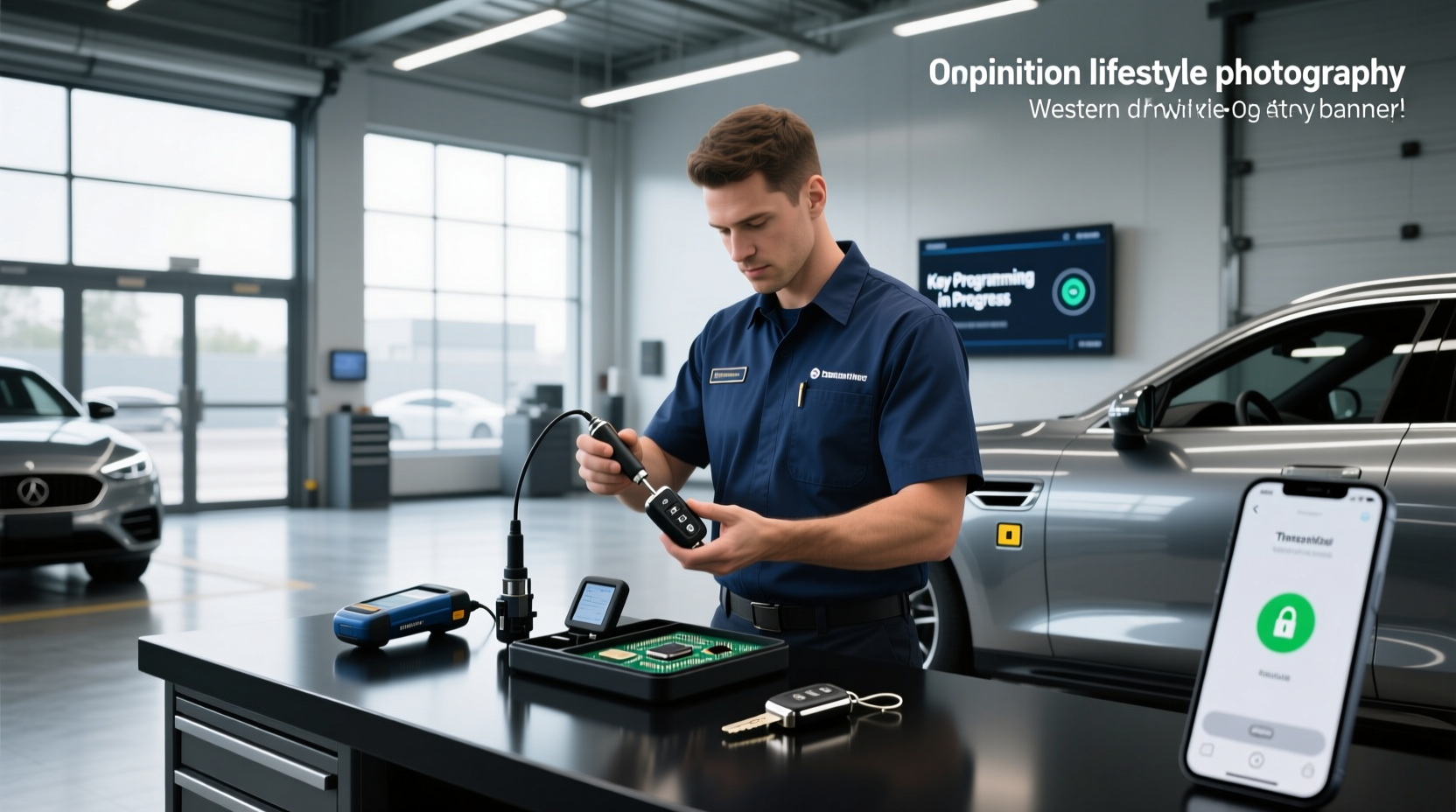
Replacing a transponder chip key doesn’t have to be expensive or complicated — if you know the right steps. Whether you've lost your car key, need a spare, or are replacing a damaged transponder key, understanding how to perform a transponder chip key replacement correctly is essential to maintaining your vehicle’s security and functionality. This guide breaks down everything you need to know: from decoding what a transponder chip does, to choosing between DIY approaches and professional services, programming requirements, cost-saving tips, and avoiding common pitfalls that could leave you stranded.
What Is a Transponder Chip Key?
A transponder chip key — often called a "chip key" — is a modern automotive ignition key embedded with a small electronic chip that communicates with your vehicle’s immobilizer system ⚙️. When inserted into the ignition, the chip sends a unique coded signal to the car’s engine control unit (ECU). If the code matches, the engine starts. If not, the immobilizer prevents startup, even if the mechanical cut of the key fits perfectly.
This technology was introduced in the mid-1990s and became standard across most North American, European, and Asian vehicles by the early 2000s ✅. It dramatically reduced car theft but added complexity when replacing keys. Unlike traditional metal keys, simply duplicating the blade isn't enough — the transponder must also be programmed to match the vehicle’s anti-theft system.
Why Replace a Transponder Chip Key?
There are several common scenarios where transponder chip key replacement becomes necessary:
- Lost or stolen key 🚨: Losing your only key means immediate replacement for access and security.
- Damaged key 🔧: Cracked casing, worn blade, or water damage can disrupt the chip’s function.
- Worn-out battery (in remote fobs) 🔋: While not directly related to the transponder chip, many chip keys double as smart fobs.
- Need for a spare ✅: Having a backup can prevent lockouts and high emergency service fees.
- Upgrading an older key 🛠️: Some owners replace basic chip keys with programmable remotes or flip keys with additional features.
Ignoring the need for replacement can lead to being locked out, paying premium roadside assistance rates, or even compromising your vehicle's security if a key is stolen.
Can You Replace a Transponder Key Yourself?
Yes — but with important caveats ❗. The feasibility of DIY transponder chip key replacement depends on three main factors:
- Vehicle make, model, and year: Older models (pre-2008) may allow simple programming using ignition cycles. Newer cars require specialized diagnostic tools.
- Type of transponder chip: Common types include ID44, ID46, ID48, 4D, 4C, 8A, and 8C. Each has different cloning or programming requirements.
- Availability of original keys: Most DIY programming methods require at least one working key to initiate the process.
For example, many Honda and Toyota models from the early 2000s allow owner programming using two valid keys within 30 seconds. In contrast, luxury brands like BMW, Mercedes, or Land Rover typically require dealer-level software or locksmith tools such as VVDI, Autel MaxiIM, or Xhorse systems.
Step-by-Step: How to Replace a Transponder Chip Key
Follow this structured approach whether you're going DIY or hiring help:
1. Identify Your Key Type 🔍
Before anything else, determine your key’s specifications:
- Check for markings on the back (e.g., "H79", "TOY48", "VW5")
- Look up your VIN with a dealership or online database
- Use a key code reader or transponder scanner (available to locksmiths)
- Consult forums or repair manuals specific to your vehicle
Knowing the correct chip type ensures compatibility. For instance, using an ID48 chip in a system requiring ID46 will fail to program, wasting time and money.
2. Source the Correct Blank Key or Chip 🛒
You’ll need either:
- A pre-cut blank key with built-in transponder
- A mechanical key shell with space to insert a standalone transponder chip
- A programmable remote head (for flip or smart keys)
Blanks can be purchased from auto parts stores, locksmith suppliers, or online marketplaces like Alibaba.com, which offers bulk options for professionals 1. Always verify compatibility before ordering.
3. Cut the Mechanical Blade 🔧
The physical shape of the key must match your ignition. Options include:
- Using a home key cutter: Only suitable for simple cuts; risky for precision required in modern vehicles.
- Professional cutting: Done by dealerships, locksmiths, or hardware stores with automotive capabilities.
- Laser-cut (sidewinder) keys: Require CNC machines — not feasible for most DIYers.
Misalignment by even 0.1mm can cause wear or failure to turn.
4. Program the Transponder Chip ⚙️
This is the most critical step. Methods vary widely:
| Method | Tools Needed | Success Rate | Best For |
|---|---|---|---|
| Ignition Cycling | Two working keys | High (older models) | Honda, Toyota, Nissan |
| OBD-II Programming Tool | VVDI, Autel, Launch | Medium-High | Mid-2000s to 2018 vehicles |
| Dealer Programming | Factory software | Very High | Newer/luxury vehicles |
| Chip Cloning | Transponder reader/writer | Varies | ID46, ID48 chips |
Programming usually involves connecting to the OBD-II port under the dashboard and following prompts to add a new key. Some tools, like the MK3 transponder unlocker, support full key unlocking without tokens or annual fees, appealing to independent locksmiths 2.
5. Test Thoroughly ✅
After programming, test the key multiple times:
- Start the engine and let it run for over a minute
- Turn off and restart several times
- Check remote functions (lock/unlock, trunk release)
- Ensure no immobilizer warning light remains on
If the key fails after initial success, the programming may not have saved properly.
Common Mistakes to Avoid During Replacement
Even experienced users make errors. Here are frequent issues and how to avoid them:
- Using the wrong chip type: Double-check ID numbers. An ID48 chip won’t work in an ID46 slot without modification.
- Skipping proper key cutting: A poorly cut blade stresses the ignition cylinder and may prevent recognition.
- Assuming all OBD tools work universally: Many budget programmers lack firmware updates or brand-specific protocols.
- Not backing up existing keys: Always keep at least one working key before attempting to add a new one.
- Ignoring battery levels: Low ECU or key fob batteries can interrupt programming sequences.
Cost Comparison: DIY vs. Dealership vs. Locksmith
Prices vary significantly based on location, vehicle, and method:
| Option | Avg. Cost (USD) | Time Required | Pros | Cons |
|---|---|---|---|---|
| Dealership | $200–$400 | 1–2 hours | Guaranteed compatibility, factory warranty | Most expensive, appointment needed |
| Mobile Locksmith | $120–$250 | 30–60 mins | On-site service, faster than dealer | Pricing varies, some lack advanced tools |
| DIY with Tools | $80–$150 (one-time tool cost) | 1–3 hours | Cheapest long-term, reusable | Steep learning curve, risk of error |
| Mail-order Service | $60–$100 | 3–7 days + shipping | Affordable, convenient | No instant access, limited support |
Over time, investing in a reliable programming tool pays off if you manage multiple vehicles or frequently lose keys.
Regional Differences & Legal Considerations 🌍
Transponder key regulations differ by region:
- USA/Canada: Generally allows third-party key replacement. No registration required.
- EU Countries: Some nations require locksmiths to verify ownership before programming certain luxury brands.
- Australia: Strict laws around key duplication for newer vehicles; proof of ownership often needed.
- Thailand, India, UAE: Growing use of aftermarket tools like VVDI MINI and Super Chip XT27A for local repair shops 3.
Always confirm local rules — especially when importing blank keys or tools.
Myths About Transponder Keys Debunked ❓
Let’s clear up common misconceptions:
- Myth: Any chip can be cloned easily. Reality: Modern encrypted chips (like ID48 or 8A) cannot be copied without authorized tools.
- Myth: Immobilizers make cars theft-proof. Reality: Bypass devices exist — taping a chip near the ignition coil can trick the system 4.
- Myth: Replacing just the plastic head is safe. Reality: Damaged casings can expose wires or dislodge the chip.
- Myth: Dealerships are the only reliable option. Reality: Certified locksmiths often use the same tools at lower prices.
When to Call a Professional
Consider expert help if:
- You have no working keys (requires ECU reading or PIN code retrieval)
- Your vehicle is newer than 2018 or a luxury brand
- You’ve attempted DIY and failed twice
- The immobilizer light flashes continuously
- You’re unsure about electrical components
A qualified automotive locksmith or dealership technician can read the ECU, retrieve security codes, and program keys correctly — often saving time and preventing damage.
Future Trends in Key Technology
While transponder keys remain widespread, newer technologies are emerging:
- Digital keys via smartphone apps (Apple CarKey, Android Auto)
- Biometric authentication (fingerprint or facial recognition)
- NFC-based access replacing physical keys entirely
However, transponder-based systems will remain relevant for at least another decade due to their reliability and backward compatibility.
Frequently Asked Questions
Can I start my car without a transponder key?
No — not reliably. While bypass modules exist, they disable the immobilizer and compromise security. Without a programmed transponder, the ECU blocks fuel and ignition systems.
How long does transponder key programming take?
Typically 20–60 minutes, depending on vehicle and method. Older models may take less; newer ones with encrypted systems require more setup.
Do I need to reprogram all my keys when adding a new one?
Some vehicles automatically deactivate old keys during new key programming. Check your manual — many systems allow up to 8 registered keys before requiring full reset.
Can water damage a transponder chip?
The chip itself is sealed and resistant, but water can corrode internal wiring or contacts. Dry the key immediately and test functionality.
Is it legal to buy transponder chip unlockers?
Yes — for personal or professional use. However, using them to steal or gain unauthorized access is illegal in most countries.





 浙公网安备
33010002000092号
浙公网安备
33010002000092号 浙B2-20120091-4