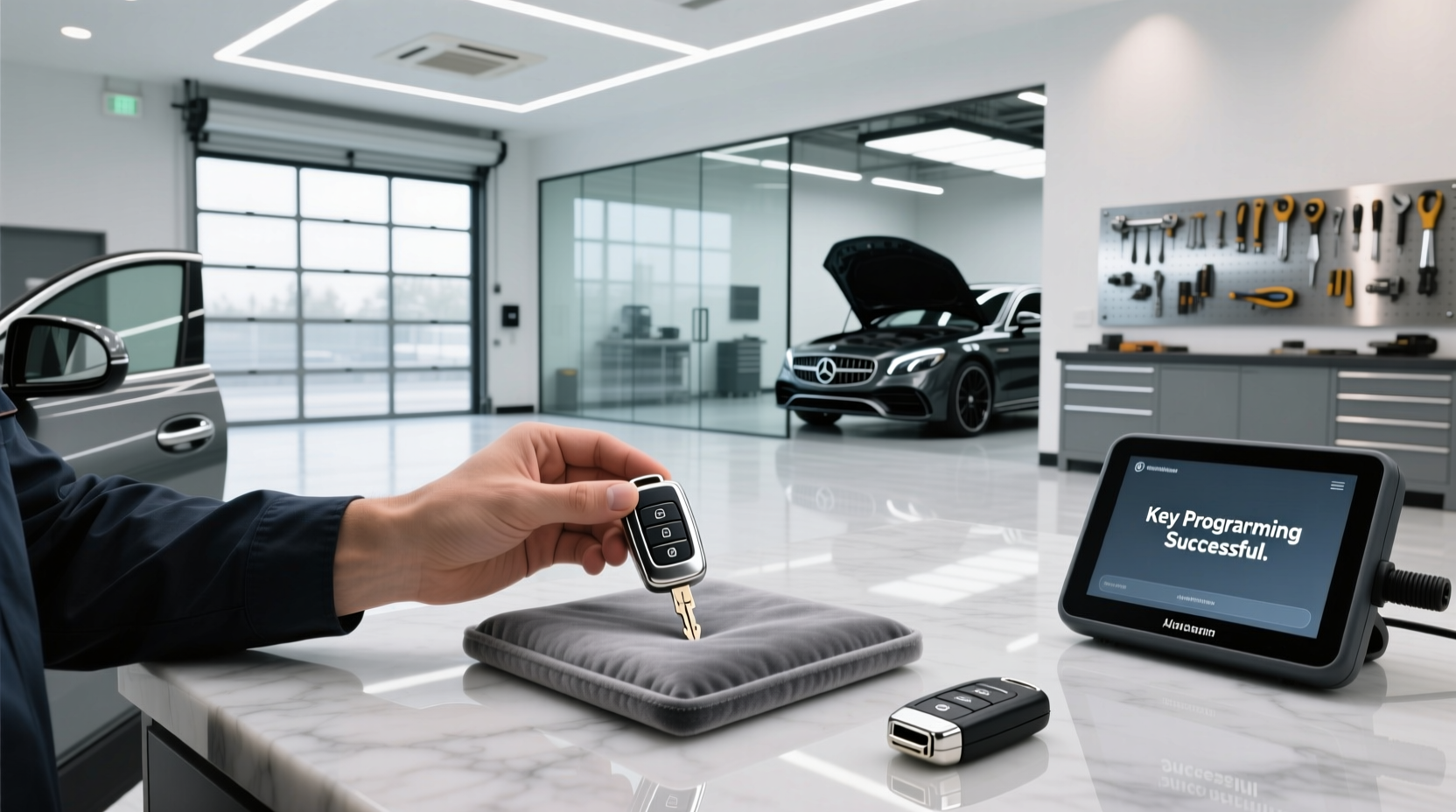
If you're searching for a replacement transponder key, the first thing to know is that modern vehicles require both physical cutting and electronic programming to function. Unlike traditional metal keys, transponder keys contain a microchip that communicates with your car’s immobilizer system to allow engine startup. Without proper programming, even an exact-cut key won’t start the vehicle. This guide covers everything from identifying your correct key model (like GM's B119 or B111) to DIY programming methods using OBD2 tools, avoiding costly dealership visits while ensuring compatibility and reliability.
What Is a Transponder Key and Why Replacement Is Different
A transponder key—named for its ability to transmit and respond—contains a small RFID chip embedded in the plastic head or metal blade. When inserted into the ignition, this chip sends a unique code to the vehicle’s Engine Control Unit (ECU). If the code matches, the immobilizer disengages and allows the engine to start 1. This security feature prevents unauthorized duplication but also makes replacement more complex than simply copying a metal key.
When replacing a lost or damaged transponder key, two critical steps are required: physical cutting and electronic programming. The cutting ensures the key fits the lock cylinder; programming synchronizes the chip with the car’s computer. Skipping either step results in a non-functional key. Many users mistakenly believe buying a blank online and having it cut at a hardware store is sufficient—but without programming, the car will not start.
Common Types of Transponder Keys by Manufacturer
Different automakers use specific transponder models and frequencies. Knowing your vehicle’s make, model, year, and key type is essential before purchasing a replacement.
General Motors (Chevrolet, Buick, GMC)
GM commonly uses Philips Crypto 40 (ID46) and earlier Circle Plus chips. Popular models include:
- B111: Used on 2004–2017 GM trucks and SUVs like Silverado, Tahoe, and Traverse
- B119: Found on 2010–2019 models including Camaro, Colorado, and Equinox
- B120: Introduced around 2019 for newer Silverado, Sierra, and Cadillac models
These keys often carry designations like “HU100” (blade type) and “STRATTEC 5933963” (manufacturer part number), which must match your original key for compatibility ✅.
Ford, Chrysler, Toyota, and Others
While this article focuses on GM applications due to search trends, similar principles apply across brands:
- Ford uses SID800 and later PATS systems with ID13, ID46, or ID48 chips
- Chrysler relies heavily on Megamos crypto (e.g., 4D-63) and requires specialized tools
- Toyota’s G-type and H-type transponders vary by region and model year
Always verify the transponder frequency and encryption type before ordering a blank.
| Key Model | Vehicle Compatibility | Chip Type | Programming Required? |
|---|---|---|---|
| B111 | Chevy Silverado 2007–2013 | Philips 46 Circle+ | Yes ⚙️ |
| B119 | Chevrolet Camaro 2010–2017 | ID46E (Crypto) | Yes ⚙️ |
| B120 | GMC Sierra 2019+ | ID46 GM EXT | Yes ⚙️ |
| ILCO UNB11 | Ford F-150 pre-2013 | ID13 | Yes ⚙️ |
Where to Buy a Replacement Transponder Key
Purchasing options fall into three main categories: dealerships, locksmiths, and online retailers. Each has trade-offs in cost, convenience, and reliability.
Dealerships: Highest Cost, Guaranteed Compatibility
Going to a dealership ensures OEM parts and factory-level programming. However, prices typically range from $200–$400 per key, including labor. While convenient, this option is often unnecessary unless dealing with high-security models like push-button start systems with rolling codes.
Auto Locksmiths: Balanced Option for Programming Support
Mobile or shop-based locksmiths can cut and program transponder keys on-site. Average costs run $80–$150, depending on location and vehicle complexity. Look for technicians certified by organizations like ALOA (Associated Locksmiths of America) and equipped with professional-grade programmers such as Autel MaxiIM or Xtool D1.
Online Retailers: Lowest Upfront Cost, Requires Self-Programming
Websites specializing in automotive keys offer uncut blanks for $10–$30. These are ideal if you already have a working key and plan to program the duplicate yourself. Be cautious of listings labeled "aftermarket chip"—some may lack proper encryption or fail over time. Always check seller ratings and return policies when shopping online 🌐.
Can You Program a Transponder Key Yourself?
Yes—in many cases, especially for older GM, Ford, and Toyota models, DIY programming is possible using the ignition cycling method or an OBD2 programmer.
Method 1: Ignition Cycling (for GM Vehicles 1998–2013)
This technique works on most Chevrolet, Buick, and GMC vehicles equipped with PK3 or earlier transponders:
- Insert a known working key into the ignition
- Turn to “ON” (do not start) for exactly 10 minutes until the security light turns off
- Turn off and remove the key
- Repeat the process with the second working key (if available)
- Insert the new unprogrammed key and turn to “ON” for one minute
- Turn off—programming is complete
This method requires two already-programmed keys to add a third. If all keys are lost, dealer or locksmith intervention is necessary ❗.
Method 2: Using an OBD2 Programmer (2004+ Models)
Tools like the T300+, MVP Pro, or JMA TP04 connect via the OBD2 port under the dashboard. Steps generally include:
- Powering the device
- Selecting vehicle make/model/year
- Choosing “Add Key” or “Learn Key” mode
- Following prompts to insert and confirm each key
Some devices support smartphone apps via Bluetooth, reducing equipment cost. However, encrypted models (e.g., 2016+ GM with TLS authentication) may require bypass modules or bench programming at a shop 🔧.
Cost Factors: What Determines Replacement Price?
The total cost of a replacement transponder key varies widely based on several factors:
Vehicle Year and Security Level
Newer cars (post-2015) often use encrypted transponders (PK3+, ID48) that resist cloning and require advanced tools. These can double programming time and cost compared to older ID13 or ID46 chips.
Number of Existing Keys
If you still have one working key, self-programming or locksmith service is feasible. Losing all keys triggers a full ECU reflash or module replacement, increasing labor and parts cost significantly.
Geographic Location and Labor Rates
Urban areas tend to have higher locksmith rates ($100–$180/hour), while rural providers may charge less but require travel fees. Mobile services often publish flat-rate pricing online—compare quotes before committing.
| Source | Avg. Blank Cost | Programming Cost | Total Estimate |
|---|---|---|---|
| Online Retailer | $12–$25 | $0 (DIY) | $12–$25 |
| Local Locksmith | Included | $80–$150 | $90–$175 |
| Car Dealership | Included | $150–$300 | $200–$400 |
Mistakes to Avoid When Replacing a Transponder Key
Many consumers waste money due to avoidable errors. Here are the most common pitfalls:
Mistake #1: Buying the Wrong Key Model
Even minor differences in blade shape (e.g., HU64 vs. HU100) prevent insertion. Always compare your existing key visually or provide the VIN and key code (often found on glovebox sticker or service records) when ordering.
Mistake #2: Assuming All Blanks Are Equal
Aftermarket keys may use lower-quality steel or incompatible chips. While some work fine initially, long-term durability suffers. For frequent drivers or harsh climates, OEM-spec materials matter.
Mistake #3: Not Backing Up Keys
Once you’ve replaced a lost key, create a spare immediately. Storing a backup at home or with a trusted contact avoids future emergencies.
Mistake #4: Ignoring Immobilizer Warning Lights
If the security light flashes after inserting a new key, it indicates failed communication between chip and ECU. Check battery voltage, retry programming, or test with another known-good key to isolate the issue.
How to Identify Your Exact Transponder Key
Accurate identification prevents mismatches. Use these methods:
Check the Original Key
Look for stamped codes on the metal blade or plastic head. Common identifiers include:
- B119, B111, B120 – GM-specific key bodies
- HU100, ILCO UNB11 – Blade cut specifications
- ID46, ID48 – Chip types
Use the Vehicle Identification Number (VIN)
Suppliers and locksmiths can pull key data from the VIN through manufacturer databases. Provide this when ordering from reputable vendors to ensure accuracy.
Consult a Professional Key Code Reader
Some shops use decoders to read the tumbler depths of your current key, generating a precise cut code. This is especially useful if the key is worn or damaged.
When You Can’t Use DIY Methods
Not all vehicles support user programming. Limitations include:
- Vehicles with no working keys remaining
- Models requiring PIN codes (common in European brands)
- Cars with encrypted transponders (e.g., GM’s TLS-enabled systems post-2016)
- Push-to-start systems needing fob synchronization
In these cases, professional tools or dealer access become necessary. Attempting workarounds can lock out the ECU or trigger anti-theft modes.
Long-Term Maintenance Tips
To extend the life of your transponder key:
- Store away from magnets and strong electromagnetic fields
- Replace the battery every 2–3 years if it includes remote functions
- Avoid exposing to moisture or extreme temperatures
- Keep a waterproof label with key code and model for future reference
Conclusion: Smart Strategies for Replacing Transponder Keys
Replacing a transponder key doesn't have to mean expensive dealership visits. By understanding your vehicle’s specific requirements—such as whether it uses a B119 or B111 chip—and leveraging DIY programming techniques or affordable locksmith services, you can restore full functionality at a fraction of the cost. Prioritize accurate identification, avoid common purchasing mistakes, and always keep a backup key stored safely. With the right approach, managing transponder key replacement becomes a manageable, cost-effective process.
Frequently Asked Questions
- How much does a transponder key replacement cost?
- Costs range from $12–$40 for a blank key plus $0–$300 for programming. DIY setups are cheapest; dealerships are most expensive.
- Can I program a transponder key myself?
- Yes, if your vehicle supports ignition cycling or OBD2 programming and you have at least one working key. Newer encrypted models may require professional tools.
- What is a GM transponder key?
- It’s a key with an embedded chip used in General Motors vehicles (Chevrolet, Buick, GMC) that communicates with the car’s immobilizer to allow engine startup.
- How do I know which transponder key I need?
- Check your existing key for model numbers (like B119), consult your owner’s manual, or provide your VIN to a supplier for verification.
- Do all transponder keys need to be programmed?
- Yes—all transponder keys require electronic programming to sync the chip with the vehicle’s ECU, regardless of where they’re purchased.





 浙公网安备
33010002000092号
浙公网安备
33010002000092号 浙B2-20120091-4