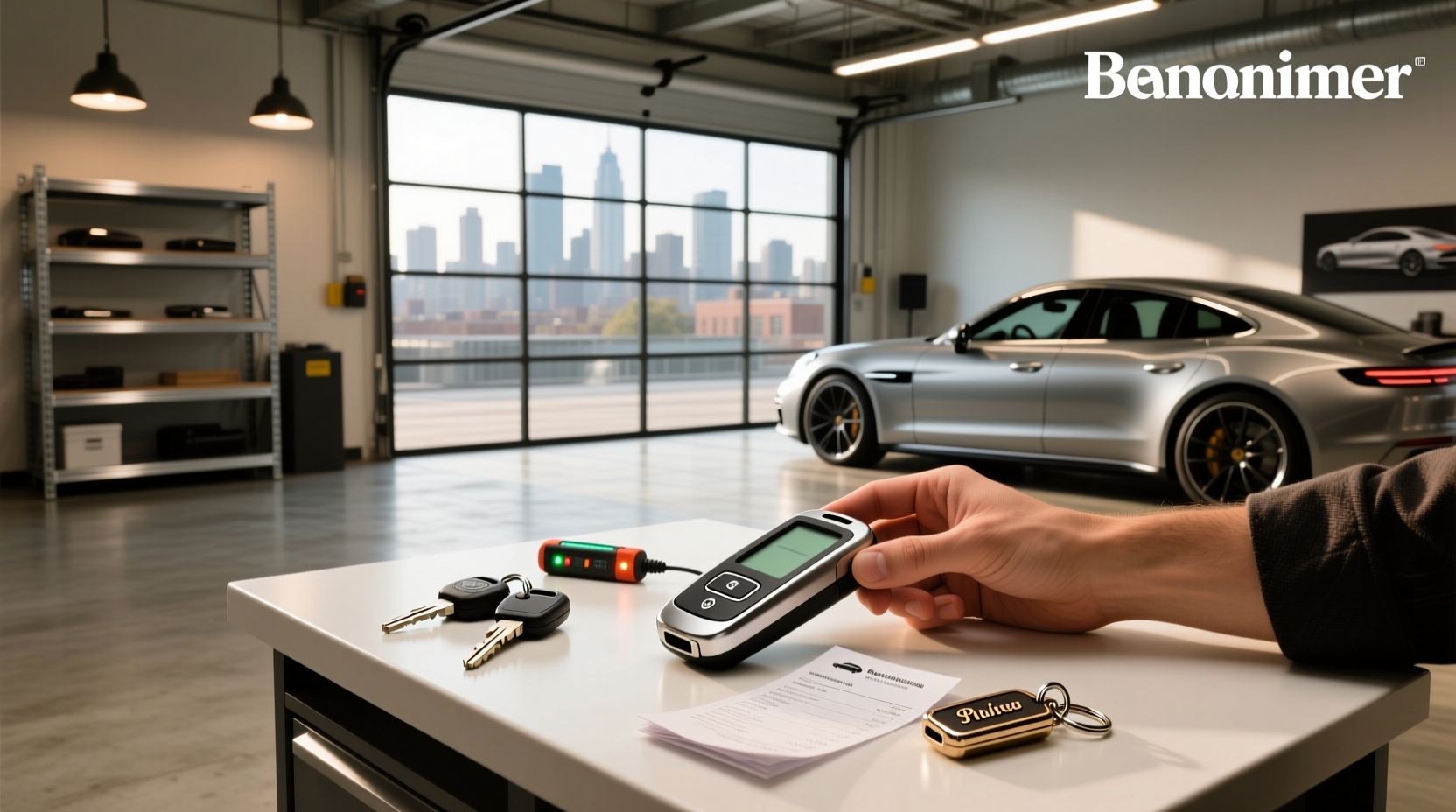
If you've lost your car key or it's stopped working, you're not alone — millions face this issue every year. The good news is that replacing a car key doesn’t always mean visiting the dealership at high cost. With options ranging from online purchases to mobile locksmith services, you can often get a replacement key fob or transponder key for up to 75% less than dealer prices1. This comprehensive guide breaks down everything you need to know about car keys replacement, including types of keys, average costs, where to buy, and whether you can program one yourself.
Why Replacing a Car Key Isn't as Simple as It Used to Be
Gone are the days when a basic metal key could start any car. Modern vehicles use advanced security systems, meaning most new keys contain electronic components like transponders or remote entry chips. These must be programmed to match your vehicle’s immobilizer system before they’ll work. That’s why simply cutting a duplicate won’t suffice for many models made after 2000.
This shift has changed how consumers approach replacement car keys. You now have to consider not just physical fit but also compatibility, coding requirements, and potential labor fees. Understanding these factors helps prevent costly mistakes and downtime.
Types of Car Keys and Their Replacement Complexity
Not all car keys are created equal. The type of key your vehicle uses directly affects replacement cost, availability, and process complexity.
1. Traditional Metal Keys (Non-Transponder)
🔧 Found mostly in older vehicles (pre-1995), these are simple cut-metal keys with no embedded chip. They’re inexpensive to duplicate — usually under $20 at hardware stores or local locksmiths.
- Pros: Cheap, widely available, no programming needed
- Cons: Less secure; rarely used in modern cars
- Best For: Classic cars or budget-conscious owners of older models
2. Transponder Keys
⚙️ Introduced in the mid-1990s, transponder keys have a small RFID chip inside the head. When inserted into the ignition, the chip sends a signal to the car’s computer. If the code matches, the engine starts.
- Replacement Cost: $50–$150 depending on brand and model
- Programming Required: Yes — either by dealer, locksmith, or self-programming if supported
- Common Brands: Honda, Toyota, Ford, GM
Some vehicles allow limited self-programming (e.g., inserting the old key twice, then the new one). Others require specialized tools.
3. Remote Key Fobs (Keyless Entry Remotes)
📡 These combine a mechanical key with a radio-frequency remote that locks/unlocks doors wirelessly. Often called 'fobs,' they may include panic buttons, trunk release, or even remote start features.
- Cost Range: $80–$400+ (luxury brands like BMW or Mercedes often exceed $300)
- Programming Needed: Almost always required
- Battery Replacement: Every 1–3 years; low battery can mimic failure
Many users confuse dead fob batteries with faulty keys. Always test battery voltage first before assuming replacement is necessary.
4. Smart Keys / Proximity Keys
✨ Also known as push-button start keys, smart keys allow drivers to keep the fob in their pocket while unlocking and starting the car via sensors.
- High-Tech Features: Rolling codes, encrypted signals, multi-channel communication
- Programming Tools: Often requires OEM-level software or dealership access
- Security Risk: Vulnerable to relay attacks (signal amplification theft)
Replacing a smart key typically involves both physical duplication and full electronic synchronization. Some models require VIN registration during setup.
Where Can You Replace a Car Key?
There are several avenues for obtaining a replacement key, each with trade-offs in price, speed, and reliability.
Dealerships: Reliable but Expensive
🏭 Dealerships offer OEM parts and guaranteed compatibility. They can reprogram keys using factory tools and verify VIN-linked security settings.
- Pros: Guaranteed fit, correct programming, warranty coverage
- Cons: High markup (often 2–3x retail), appointment delays
- Average Wait Time: Same day to 3 business days
For newer luxury vehicles (e.g., Lexus, Audi), dealerships may still be the only viable option due to proprietary encryption.
Local Locksmiths: Fast & Often Affordable
📍 Mobile automotive locksmiths specialize in key replacement and can come to your location. Many carry databases of key codes and programming tools.
- Response Time: Typically within 30 minutes to 2 hours
- Cost Savings: Up to 60% less than dealerships
- Services Offered: Cutting, coding, emergency lockout assistance
Look for certified professionals (e.g., ALOA members) and ask whether they support your vehicle make/model before booking.
Online Retailers: Budget-Friendly but Requires Self-Setup
🌐 Websites sell blank transponder keys and unprogrammed fobs at steep discounts. However, you’ll need to handle programming separately.
- Price Range: $10–$100 (vs. $150+ at dealerships)
- Shipping: Usually 2–7 business days
- Risk: No return if damaged during programming
Some vendors provide step-by-step guides or even mail-back programming services. Always confirm compatibility using your VIN or key number.
Kiosk Services (e.g., KeyMe, Coinstar Kiosks)
🛒 Physical kiosks located in malls or hardware stores scan and store digital copies of your key. Useful for backup creation.
- Storage Fee: One-time or subscription-based
- Limitations: May not support transponder or smart keys
- Convenience: 24/7 access in some locations
These are best used proactively — once you’ve lost your only key, kiosks won’t help unless you previously saved a copy.
How Much Does It Cost to Replace a Car Key?
Cost varies significantly based on vehicle age, key type, and service provider. Below is a general breakdown:
| Key Type | Dealership Price | Locksmith Price | Online Price |
|---|---|---|---|
| Traditional Metal Key | $15–$30 | $10–$25 | $5–$15 |
| Transponder Key | $100–$250 | $60–$150 | $20–$60 |
| Remote Key Fob | $180–$400 | $100–$250 | $50–$120 |
| Smart Key | $250–$600 | $180–$400 | $100–$200 |
Additional charges may apply for emergency service, after-hours calls, or VIN decoding. Luxury brands (e.g., Land Rover, Porsche) often command premium rates due to complex security protocols.
Can You Program a Replacement Car Key Yourself?
Yes — but only for certain makes and models. Manufacturer policies vary widely.
Vehicles That Allow Owner Programming
- Ford: Many models from 2000–2010 allow self-programming via ignition cycles
- Toyota: Some pre-2011 models accept two-master-key method
- Honda: Certain Civics and Accords let users add keys through dashboard steps
- Chrysler/Dodge: Commonly support owner programming with existing valid key
Steps generally involve inserting the working key, turning ignition on/off multiple times, then inserting the new key within a time window.
Vehicles That Require Professional Programming
- BMW, Mercedes-Benz, Audi: Use encrypted CAS/PAS systems requiring dealership tools
- Volvo, Jaguar: Need T5 or SDD software access
- Newer Teslas: Digital key syncing via app only
Attempting DIY programming on restricted models can lock out remaining keys or trigger immobilizer errors. Always check your owner’s manual or consult a specialist first.
What Information Do You Need to Replace a Car Key?
To ensure accuracy and avoid delays, gather the following details before contacting a provider:
- Vehicle Identification Number (VIN): Located on driver-side dash or registration
- Make, Model, Year: Especially important for imports or rare trims
- Original Key Number: Engraved on original key blade (if available)
- Proof of Ownership: Title, registration, or insurance documents may be required
- Number of Working Keys: Some systems require two valid keys to add a third
Without this information, providers may not be able to source the correct blank or initiate programming.
Common Mistakes When Replacing a Car Key
Avoid these frequent errors that lead to wasted time and money:
Mistake #1: Assuming All Keys Are the Same
Using an incompatible blank key (e.g., wrong groove pattern or chip type) leads to failed programming. Always verify part number match.
Mistake #2: Ignoring Battery Issues
A weak fob battery mimics a broken remote. Try replacing the CR2032 cell before assuming the unit is defective.
Mistake #3: Not Backing Up Keys
Losing your only key triggers the highest-cost scenario. Keep a spare stored securely at home or with a trusted contact.
Mistake #4: Skipping Security Verification
Reputable providers will ask for ID and proof of ownership. Avoid anyone who doesn’t — it could indicate illegal activity.
Tips for Saving Money on Car Key Replacement
You don’t have to pay top dollar. Follow these strategies to reduce costs:
- Create a Backup Early: Have a spare made when your current key works perfectly — prevents emergency pricing.
- Compare Quotes: Get estimates from at least two locksmiths and one dealer.
- Check Insurance: Some comprehensive policies cover key replacement (especially for theft-related loss).
- Use Online Blanks + Local Locksmith: Buy the key online, then pay a locksmith only for cutting and programming — splits cost efficiently.
- Avoid After-Hours Premiums: Emergency rates can double base prices. If safe, wait until business hours.
Regional Differences and Availability
Access to key replacement services varies by region. Urban areas tend to have more locksmiths with modern equipment, while rural locations may rely heavily on dealerships.
In countries like Canada or Australia, regulations around key duplication are stricter. In the EU, GDPR-compliant data handling applies when storing digital key profiles.
Always confirm local service availability and response times, especially if stranded.
Future Trends: Digital Keys and Smartphone Integration
The future of car access is moving toward smartphones and wearables. Apple CarKey and Google Wallet now support NFC-based digital keys for select models (e.g., BMW, Hyundai, Genesis).
- Benefits: No physical key needed, easy sharing via messages
- Drawbacks: Phone battery dependency, limited vehicle support
- Setup: Requires compatible phone and in-car system
While not yet mainstream, digital keys may eventually reduce reliance on physical replacements — though cybersecurity concerns remain.
Final Thoughts: Making the Right Choice for Your Situation
Replacing a car key doesn’t have to be stressful or expensive. By understanding your key type, researching options, and preparing the right information, you can make an informed decision that balances cost, convenience, and reliability.
Start by checking if you have a spare. If not, consider creating one soon. Evaluate whether DIY programming is possible, compare professional quotes, and explore online savings — but never sacrifice security for price.
Frequently Asked Questions (FAQ)
Can I buy a replacement car key online and program it myself?
Yes, for many vehicles. Purchase a compatible unprogrammed fob or transponder key online, then follow manufacturer-specific instructions. Success depends on your car’s year and model — older models are more likely to allow self-programming.
What does it cost to replace a lost car key?
Typical costs range from $50 for a basic transponder key to over $500 for luxury smart keys. Factors include vehicle make, key type, and whether programming is included. Expect higher prices if you’ve lost all keys and need full system reinitialization.
How long does it take to replace a car key?
Time varies: same-day service is common. Locksmiths often complete jobs in 15–30 minutes. Dealerships may require ordering parts (1–3 days). Online orders take 2–7 business days to arrive.
Do I need to go to the dealership to replace my car key?
Not always. Independent locksmiths and online suppliers can often provide equivalent service at lower cost. However, some high-security or recent luxury vehicles require dealer-only tools and software.
Can a locksmith make a key from the VIN?
Yes, most professional automotive locksmiths can generate a new key using your VIN, provided you show proof of ownership. This is especially useful if you’ve lost all keys.





 浙公网安备
33010002000092号
浙公网安备
33010002000092号 浙B2-20120091-4