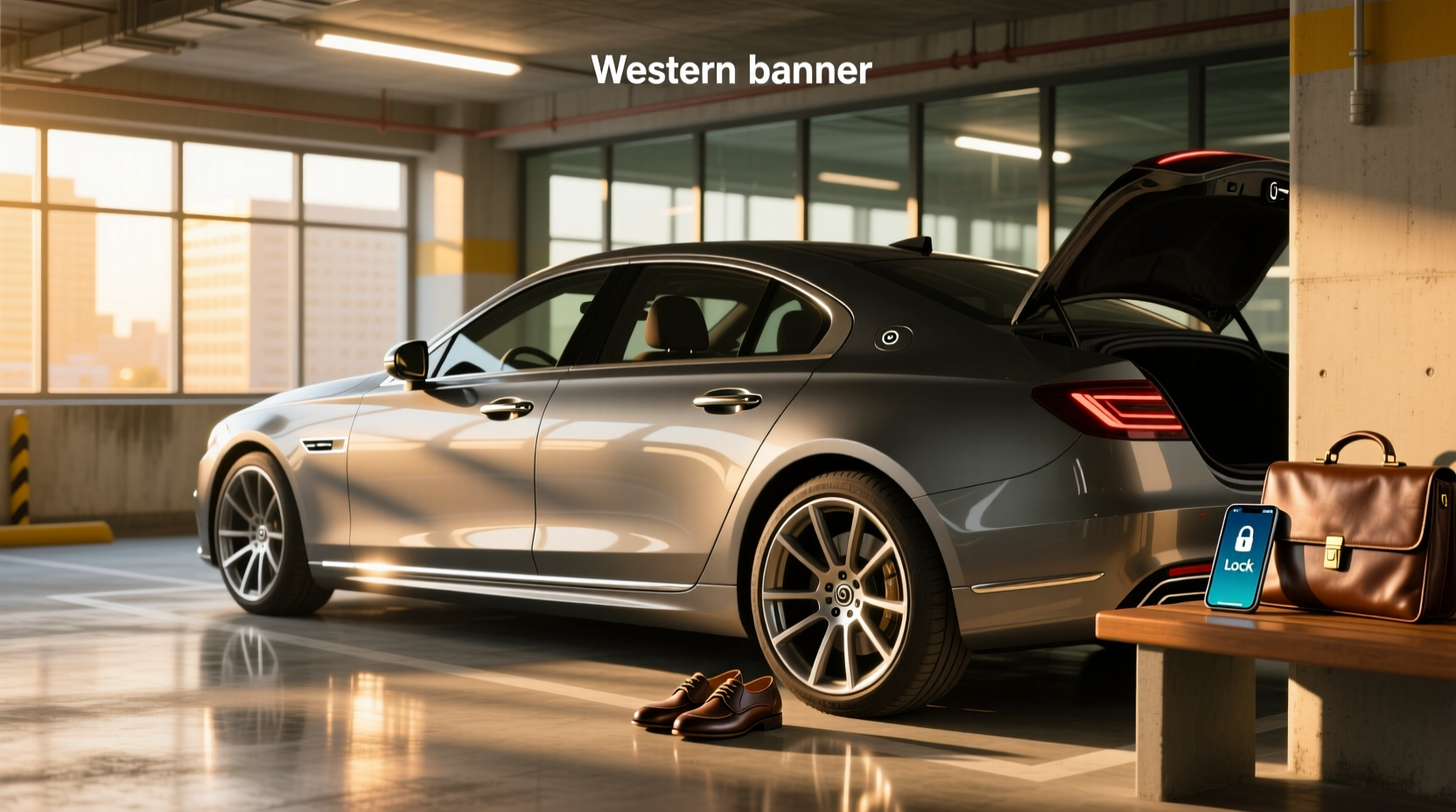
🚗 A central locking system for car allows drivers to lock or unlock all vehicle doors simultaneously using a single control—typically a button on the key fob, dashboard switch, or smartphone app. This feature enhances convenience and security, especially in urban environments or high-theft areas. For many modern vehicles, it’s standard equipment; however, older models may require aftermarket upgrades. Understanding how these systems function, their components, compatibility factors, and potential failure points is essential before purchasing or installing one. Whether you're troubleshooting a malfunctioning lock actuator or considering adding remote keyless entry to a classic car, this guide covers everything from wiring diagrams to cost estimates and DIY vs. professional installation trade-offs.
What Is a Central Locking System in a Car?
A central locking system (also known as power door locks or remote keyless entry) enables centralized control over all door locks in a vehicle. When activated via a transmitter (remote), interior switch, or automatic signal (e.g., ignition off), electric motors called door lock actuators engage or disengage the locking mechanism across all doors.
⚙️ The core components include:
- Control Module: Acts as the brain of the system, receiving input signals and triggering actuators.
- Door Lock Actuators: Small electric motors inside each door that physically move the lock lever. \li> Remote Key Fob: Wireless transmitter with buttons for lock/unlock/trunk release.
- Wiring Harness: Connects the module, switches, actuators, and power source.
- Sensors & Relays: Detect door status, ignition state, or motion to enable auto-lock features.
This integration improves both safety and usability—drivers no longer need to manually secure each door, reducing distraction and exposure during parking.
Types of Central Locking Systems
Not all central locking setups are identical. Choosing the right type depends on your vehicle model, desired functionality, and budget.
1. Factory-Installed OEM Systems
✅ Found in most new cars, original equipment manufacturer (OEM) systems are fully integrated with the vehicle’s electronic control unit (ECU). They often support advanced features like:
- Auto-lock when driving begins
- Proximity-based unlocking (keyless entry)
- Smartphone integration
- Geofencing alerts
These systems are reliable and seamless but can be expensive to repair if damaged.
2. Aftermarket Universal Kits
🛒 Widely available online, universal kits (like those priced between $15–$60 on various marketplaces) are designed to retrofit older or non-equipped vehicles. These typically include:
- Basic control unit
- Two remote fobs
- Four door actuators
- Installation hardware and wiring
🔧 While affordable, they may lack integration with factory alarms or lighting feedback. Compatibility varies by door thickness, linkage design, and electrical architecture.
3. Keyless Entry + Alarm Combos
✨ Some systems bundle central locking with anti-theft alarms, window control, and remote start capabilities. These offer enhanced protection but require more complex installation and configuration.
4. PKE (Passive Keyless Entry) Systems
🌐 Advanced aftermarket options allow hands-free access—doors unlock automatically as you approach with the fob in your pocket. These use RF signals and low-frequency antennas around the car.
| System Type | Pros | Cons | Avg. Price Range |
|---|---|---|---|
| OEM Integrated | Seamless operation, full diagnostics | High repair cost, limited upgrade path | $200–$600+ |
| Universal Kit | Affordable, easy to find | Potential fitment issues, basic features | $15–$60 |
| Alarm + Remote Start Combo | Multi-function, added security | Complex wiring, risk of误triggering | $80–$250 |
| PKE / Smart Entry | No pressing buttons, modern feel | Higher power draw, interference risks | $100–$300 |
Common Signs of Central Locking System Failure
🔍 If your car doors aren’t responding consistently to remote commands or interior switches, several underlying issues could be at play:
- One door not locking/unlocking: Likely a failed actuator or broken linkage rod.
- Remote fob doesn’t work: Dead battery, lost pairing, or receiver module issue.
- All doors respond slowly: Weak battery, voltage drop, or aging motors.
- Intermittent operation: Corroded connectors, loose ground wire, or water damage in door harness.
- Clicking sound without movement: Worn gears inside the actuator motor.
📍 Diagnosing the root cause requires checking fuse integrity, testing actuator resistance, and inspecting physical connections within the door panel.
How Much Does It Cost to Repair or Install a Central Locking System?
💰 Pricing varies significantly based on whether you’re repairing an existing system or installing one from scratch.
Repair Costs
Replacing a single faulty door lock actuator typically ranges from $100 to $300 per door, including labor. Factors influencing price:
- Vehicle make/model (luxury brands cost more)
- Accessibility of the actuator (some require removing inner panels and regulators)
- Dealership vs. independent shop labor rates
For example, replacing a rear door actuator on a Toyota Camry might take 1 hour at $120/hour = ~$200 total. On a BMW 3 Series, same job could exceed $300 due to complexity and higher hourly rate.
New Installation (Aftermarket)
🛒 For vehicles without factory central locking, adding a universal kit involves:
- Parts cost: $15–$60 for basic kits (as seen in marketplace listings)
- Professional installation: $150–$400 depending on vehicle and feature set
- DIY time investment: 3–6 hours for experienced users
⚠️ Note: Cheap kits under $20 may use lower-quality actuators prone to early failure. Look for CE certification, waterproof ratings, and customer reviews indicating long-term reliability.
Can You Install a Central Locking System Yourself?
🛠️ Yes—but only if you have moderate electrical knowledge and mechanical aptitude. Here’s what DIY installation entails:
- Remove Door Panels: Use trim tools to detach clips without breaking them.
- Mount Actuators: Attach motors to the lock mechanism using brackets or adhesive mounts. \li> Wire Connections: Connect actuators to the control module using provided harnesses. Must identify correct polarity (+/-) and avoid short circuits.
- Program Remotes: Follow manufacturer instructions to pair fobs with the receiver.
- Test Operation: Verify all doors lock/unlock smoothly and remotes function at range.
⏱️ Time required: 4–8 hours for a 4-door sedan. Mistakes can lead to misaligned locks, drained batteries, or even window regulator damage.
✅ Best candidates for DIY:
- Older vehicles with simple linkage systems
- Owners comfortable with multimeter testing and soldering
- Projects where appearance isn’t critical (e.g., daily driver, not show car)
❌ Avoid DIY if:
- You lack tools or workspace
- The vehicle has airbags (risk of accidental deployment during panel removal)
- You want warranty coverage or precise calibration
Choosing the Right Central Locking Kit: What to Look For
📌 Before buying any system, consider these technical and practical factors:
1. Voltage Compatibility
Most passenger cars use 12V DC systems. Ensure the kit matches your vehicle’s voltage—using a 12V kit on a 24V truck will result in failure.
2. Number of Doors Supported
Kits are labeled “2-door” or “4-door.” Never assume a 2-door kit works on a 4-door car—it won’t have enough actuators or output channels.
3. Actuator Type
There are two main types:
- Rod-style: Clamps onto existing lock rods—common in older sedans.
- Direct-drive: Replaces or interfaces directly with the latch assembly—better for compact doors.
Check product specs or consult a mechanic to confirm fitment.
4. Remote Frequency & Range
Standard frequencies are 315MHz (North America) or 433MHz (Europe/Asia). Mismatched frequency means the remote won’t communicate. Typical range is 10–30 meters; some premium kits claim up to 100m.
5. Waterproofing & Durability
Actuators should be sealed against moisture. Look for IP65 or higher rating, especially in regions with heavy rain or snow.
6. Warranty & Support
Reputable suppliers offer at least a 1-year warranty. Longer coverage suggests confidence in product longevity.
Integration with Other Vehicle Systems
🔌 Modern central locking doesn’t operate in isolation. It interacts with:
- Immobilizer System: Prevents engine start unless authenticated key/fob is present.
- Alarm System: Triggers siren if forced entry detected after arming.
- Lighting Feedback: Some cars flash headlights or side markers when locking/unlocking.
- Auto-relock: If a door fails to close properly, system relocks after 30 seconds.
When adding an aftermarket system, ensure it doesn’t conflict with existing safety protocols. For instance, improper grounding can disable airbag sensors or ABS modules.
Regional Differences and Legal Considerations
🌍 Regulations vary by country regarding remote locking behavior:
- In the EU, some vehicles must emit an audible chime if not all doors are locked.
- In Australia, modifications must comply with ADR (Australian Design Rules) for electrical systems.
- In the U.S., there’s no federal mandate, but insurers may offer discounts for equipped vehicles.
Always verify local compliance before major modifications, especially if reselling the vehicle later.
Myths and Misconceptions About Central Locking Systems
❗ Despite widespread use, several myths persist:
Myth 1: “All universal kits work the same way.”
False. Design differences in actuators, wiring polarity, and signal encoding mean some kits simply won’t work on certain vehicles without modification.
Myth 2: “More remotes mean better security.”
Not necessarily. Extra remotes increase loss/theft risk. Each added fob is a potential access point.
Myth 3: “Central locking prevents theft.”
Limited truth. While it deters opportunistic break-ins, determined thieves bypass electronics easily using jamming devices or slim jims.
Myth 4: “You can’t install central locking on manual lock cars.”
Incorrect. Many universal kits are specifically made for converting manual-lock vehicles. Success depends on door cavity space and linkage geometry.
Maintenance Tips to Extend System Lifespan
🧼 Like any mechanical-electrical component, regular care helps prevent failures:
- Lubricate lock mechanisms annually with silicone spray—not WD-40, which attracts dust.
- Replace remote batteries every 1–2 years, even if still working.
- Inspect door gaskets to prevent water ingress into wiring harnesses.
- Test all functions monthly, especially after extreme weather.
- Clean connector terminals with contact cleaner if corrosion appears.
Preventive maintenance reduces long-term repair costs and keeps the system responsive.
Alternatives to Traditional Central Locking
📱 As technology evolves, new access methods emerge:
- Smartphone Apps: Connect via Bluetooth to lock/unlock doors (e.g., Tesla, Hyundai Bluelink).
- Biometric Access: Fingerprint scanners tested in concept cars.
- Facial Recognition: Used in some Chinese EVs for driver identification and access.
- Geofenced Auto-Lock: Phone GPS triggers locking when user walks away.
While not yet mainstream, these represent the future direction of vehicle access control.
Final Recommendations: Should You Upgrade?
📋 Deciding whether to install or replace a central locking system depends on your priorities:
✅ Worth upgrading if:
- You drive frequently in unsafe areas
- Your current locks are slow or unreliable
- You value convenience and modern tech integration
- You plan to keep the car for 3+ years
❌ May not be worth it if:
- The car is nearing end-of-life
- You rarely park in public spaces
- Budget is tight and manual locks still function well
- You dislike dependency on electronics
Always weigh the cost against expected benefits and alternative uses for the funds.
Frequently Asked Questions (FAQ)
- ❓ Can I add central locking to an old car?
- Yes, universal kits are widely available for retrofitting vehicles without factory systems. Ensure compatibility with your door structure and electrical setup before purchase.
- ❓ How do I reset my car’s central locking system?
- Try disconnecting the battery for 10 minutes to reboot the ECU. Some vehicles require specific re-synchronization steps involving ignition cycling and button presses—consult the owner’s manual.
- ❓ Why does only one door lock work remotely?
- This usually indicates a failed actuator, broken wire, or disconnected rod in the non-working door. Test each actuator individually with a power source to isolate the fault.
- ❓ Are wireless key fobs safe from hacking?
- Modern fobs use rolling codes and encryption, making replay attacks difficult. However, signal amplification (relay attacks) remains a vulnerability. Store fobs in shielded pouches when not in use.
- ❓ What’s the difference between central locking and keyless entry?
- Central locking refers to the ability to lock/unlock multiple doors together. Keyless entry adds wireless remote access. All keyless systems include central locking, but not vice versa.





 浙公网安备
33010002000092号
浙公网安备
33010002000092号 浙B2-20120091-4