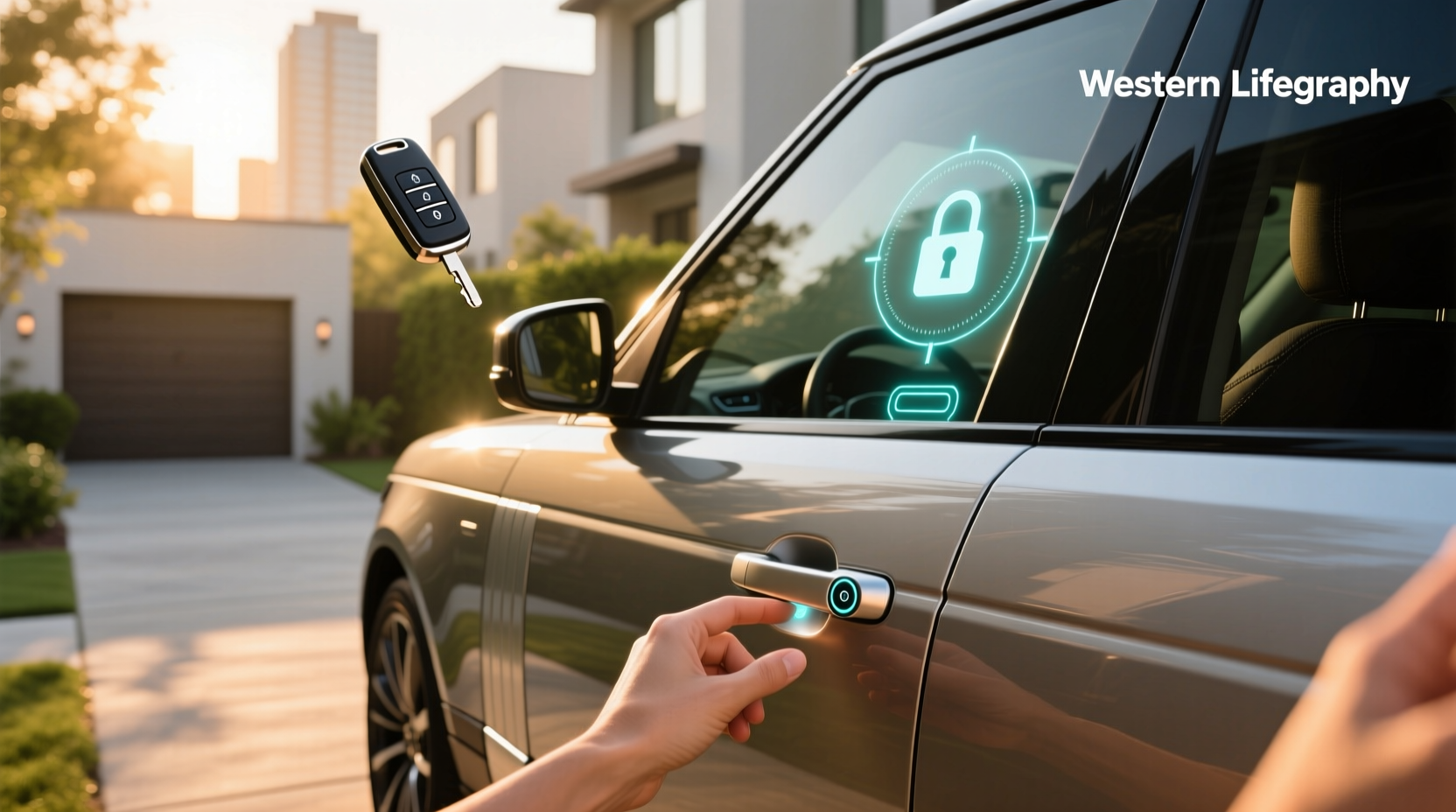
🚗 A central locking system in a car allows drivers to lock or unlock all doors simultaneously with a single action—typically via a key fob, door switch, or automatic setting. This convenience feature has become standard across modern vehicles, improving both security and usability. But when it fails—like one door not responding or remote commands being ignored—it raises urgent questions: What went wrong? Can I fix it myself? And is replacing an actuator worth the cost? This guide breaks down everything you need to know about central locking systems: how they work, why they fail, and what practical steps you can take to diagnose and repair issues without overpaying.
How Does a Central Locking System Work?
The core function of a central locking system in a car is centralized control over all entry points. When you press the lock button on your key fob or dashboard switch, an electronic signal triggers motors (actuators) inside each door to move the lock mechanism into position.
⚙️ Main Components of a Central Locking System:- Electronic Control Unit (ECU): Acts as the brain; receives input from switches or remotes and sends commands to actuators.
- Door Lock Actuators: Small electric motors that physically move the lock lever up or down.
- Wiring Harness: Connects the ECU to each actuator through a network of wires, often routed through door hinges.
- Key Fob / Remote Transmitter: Sends radio signals to the car’s receiver module to initiate locking/unlocking.
- Door Switches: Interior buttons allowing manual activation of the system.
- Relay and Fuse Box: Supplies power and protects circuits from overload.
This interconnected setup enables features like auto-locking at speed or unlocking only the driver’s door on first press—a configuration often adjustable via onboard settings.
Common Signs of Central Locking Failure
When your vehicle’s central locking isn’t working properly, symptoms vary by fault location. Recognizing these early helps prevent full immobilization or security risks.
📌 Top Warning Signs:- 🔊 One or more doors don’t respond to remote or switch commands
- 🔁 Clicking sound but no physical lock movement
- 🛠️ Manual locking still works, but electric control fails
- 🔋 Key fob range reduced significantly or unresponsive
- 🔄 System locks/unlocks randomly or cycles repeatedly
- 🔌 Only works intermittently, especially in cold weather
These issues may stem from mechanical wear, electrical faults, or software glitches. For example, moisture ingress in older models can corrode wiring near hinge areas, disrupting communication between the ECU and actuators 1.
Why Do Car Door Lock Actuators Fail?
The most frequent point of failure in a central locking system is the door lock actuator. These small motorized units endure constant use and environmental stress.
🔧 Common Causes of Actuator Failure:- Mechanical Wear: Internal gears strip over time due to repeated motion.
- Water Ingress: Seals degrade, letting moisture enter and corrode components.
- Electrical Overload: Voltage spikes or short circuits damage motor windings. \li> Freezing Temperatures: Ice buildup restricts movement, forcing the motor to stall.
- Poor Installation: Misaligned rods increase resistance, accelerating wear.
In many cases, such as with Honda Jazz or Ford Focus models, users report replacing actuators for under $15 using universal slave actuators connected to factory wiring 2. While this DIY approach saves money, compatibility must be verified based on voltage (usually 12V), stroke length, and connector type.
Can You Fix a Faulty Central Locking System Yourself?
Yes—in many cases, basic troubleshooting and repairs are within reach of a competent DIYer. Here’s a step-by-step process:
✅ Step 1: Confirm the Problem- Test all doors individually using interior switches and remote.
- Note which doors respond and whether there’s any audible feedback (click).
- Locate the fuse box (usually under dash or hood).
- Inspect fuses labeled “door lock” or “central locking.” Replace if blown.
- Swap relay with identical one (e.g., horn relay) to test functionality.
- Replace battery in key fob.
- Try re-pairing the remote per manufacturer instructions.
- If other functions (like panic alarm) work, the receiver likely isn’t dead.
- Open door trim panel carefully to access actuator wiring.
- Look for frayed wires, loose connections, or corrosion at plug terminals.
- Use a multimeter to check for voltage when command is sent.
- If motor receives power but doesn’t move, replacement is needed.
- Some opt to disassemble and replace just the internal motor—a low-cost fix demonstrated in various online tutorials 3.
🛠️ Tools typically required: screwdrivers, panel removal tool, multimeter, wire crimpers. Allow 1–2 hours per door depending on experience.
When Should You Replace the Entire Module?
The central locking module (often part of the body control module) coordinates signals across the system. If multiple doors fail simultaneously—or programming functions stop working—you may have a deeper issue.
❗ Symptoms Indicating Module Problems:- All doors fail to respond despite intact fuses and power supply
- System resets after battery disconnect
- Error messages appear on dashboard (e.g., “Check Door Ajar”)
- Aftermarket alarms interfere with factory logic
Replacing the module often requires coding via OBD-II scanner and matching VIN-specific software. Generic replacements sold on platforms like Alibaba may lack pre-programming support, leading to compatibility issues unless paired with proper diagnostic tools.
Universal vs OEM Central Locking Kits: What’s the Difference?
When sourcing parts, buyers face a choice between original equipment manufacturer (OEM) components and universal kits available from suppliers like Concept Latch or Central Locking Solutions Australia.
| Feature | OEM Parts | Universal Kits |
|---|---|---|
| Fitment | Precise match for specific make/model/year | Adaptable with brackets/connectors |
| Price Range | $40–$120+ | $10–$35 |
| Installation Complexity | Plug-and-play | May require wiring splicing |
| Lifespan | Longer (designed for vehicle lifecycle) | Variable (depends on build quality) |
| Warranty Support | Dealer or brand-backed | Limited or none |
🛒 Universal kits are popular for budget repairs, especially in high-mileage vehicles where long-term reliability is less critical. However, mismatched stroke length or incorrect polarity can lead to binding or reversed operation (lock instead of unlock).
Cost Comparison: Repair vs Replacement
Understanding real-world costs helps avoid overspending at repair shops.
📊 Average Expenses (USD):- 🔧 DIY Actuator Replacement: $10–$25 (part only)
- 👨🔧 Professional Labor: $80–$150 per hour
- 🚗 Dealer Replacement: $200–$600 total (part + labor)
- 📦 Full 4-Door Kit (Universal): $60–$100
⏱️ Given that labor involves removing door panels and testing, doing it yourself can save hundreds. Yet, inexperienced users risk damaging trim clips or misrouting wires, potentially creating new issues.
Regional Differences and Aftermarket Upgrades
Not all cars come with central locking as standard—especially base trims in European markets or older imports. In such cases, owners install 4-door central locking kits aftermarket.
🌐 Market Variations:- In Australia and the UK, dedicated suppliers like Central Locking Solutions offer model-specific kits with installation guides.
- In North America, integration with alarm systems and keyless entry is more common.
- In emerging markets, manual locks still dominate lower-tier vehicles.
Adding central locking to a manually locked car is feasible but requires careful planning. Kits usually include relays, actuators, and a control box synced to a new remote. Proper grounding and circuit protection are essential to avoid draining the battery or triggering false alarms.
Debunking Common Myths About Central Locking Systems
Several misconceptions persist among car owners. Let’s clarify them:
❌ Myth 1: Central locking improves crash safety.✅ Reality: It does not enhance structural integrity. However, automatic unlocking upon airbag deployment is a feature in some models for emergency access. ❌ Myth 2: Water damage always means full actuator replacement.
✅ Reality: Sometimes drying and lubricating internal mechanisms restores function temporarily. ❌ Myth 3: All key fobs use the same frequency.
✅ Reality: Modern fobs operate on 315 MHz (North America) or 433.92 MHz (Europe/Asia), requiring correct pairing protocols.
Preventive Maintenance Tips
Extending the life of your central locking system starts with simple habits:
✨ Maintenance Checklist:- 🧼 Clean door seals regularly to prevent water accumulation.
- 🔧 Lubricate lock linkages annually with silicone-based spray (avoid oil-based lubes).
- 🔋 Replace key fob batteries every 1–2 years, even if working.
- 🔍 Inspect wiring in door boots during routine service.
- 🌡️ In winter, avoid forcing frozen locks—use de-icer gently.
Final Thoughts: Is It Worth Fixing?
For most drivers, repairing a faulty central locking system is worthwhile—not just for convenience, but for consistent security. Ignoring a failing actuator can lead to complete lockout or vulnerability if the system becomes unpredictable.
⭐ If only one door is affected and you’re comfortable with basic electronics, a DIY fix using a compatible actuator makes financial sense. For widespread failures or module-level errors, professional diagnostics are recommended before investing in parts.Frequently Asked Questions
- What are the components of a central locking system?
- The main parts include the electronic control unit (ECU), door lock actuators, wiring harness, key fob, interior switches, and fuse/relay assembly. Each plays a role in transmitting and executing lock/unlock commands.
- Can central locking be fixed without replacing parts?
- Sometimes yes. Issues like blown fuses, dead key fob batteries, or loose wiring connectors can be resolved without replacing major components. Always start with basic checks before assuming hardware failure.
- Is it worth fixing a door lock actuator?
- Generally yes, especially if the rest of the system is functional. Replacing a single actuator costs far less than dealership labor rates, and DIY options keep expenses under $25.
- How do I know if my central locking module is bad?
- If all doors fail simultaneously, fuses are good, and power reaches the module, yet no output signal is detected, the module may be faulty. Diagnosis often requires a multimeter or scan tool capable of reading body control modules.
- Can I add central locking to a car that doesn’t have it?
- Yes, 2-door or 4-door universal central locking kits are available. Installation involves routing wires, mounting actuators, and connecting to a power source and remote receiver. Ensure compatibility with your vehicle’s voltage and door mechanism type.





 浙公网安备
33010002000092号
浙公网安备
33010002000092号 浙B2-20120091-4