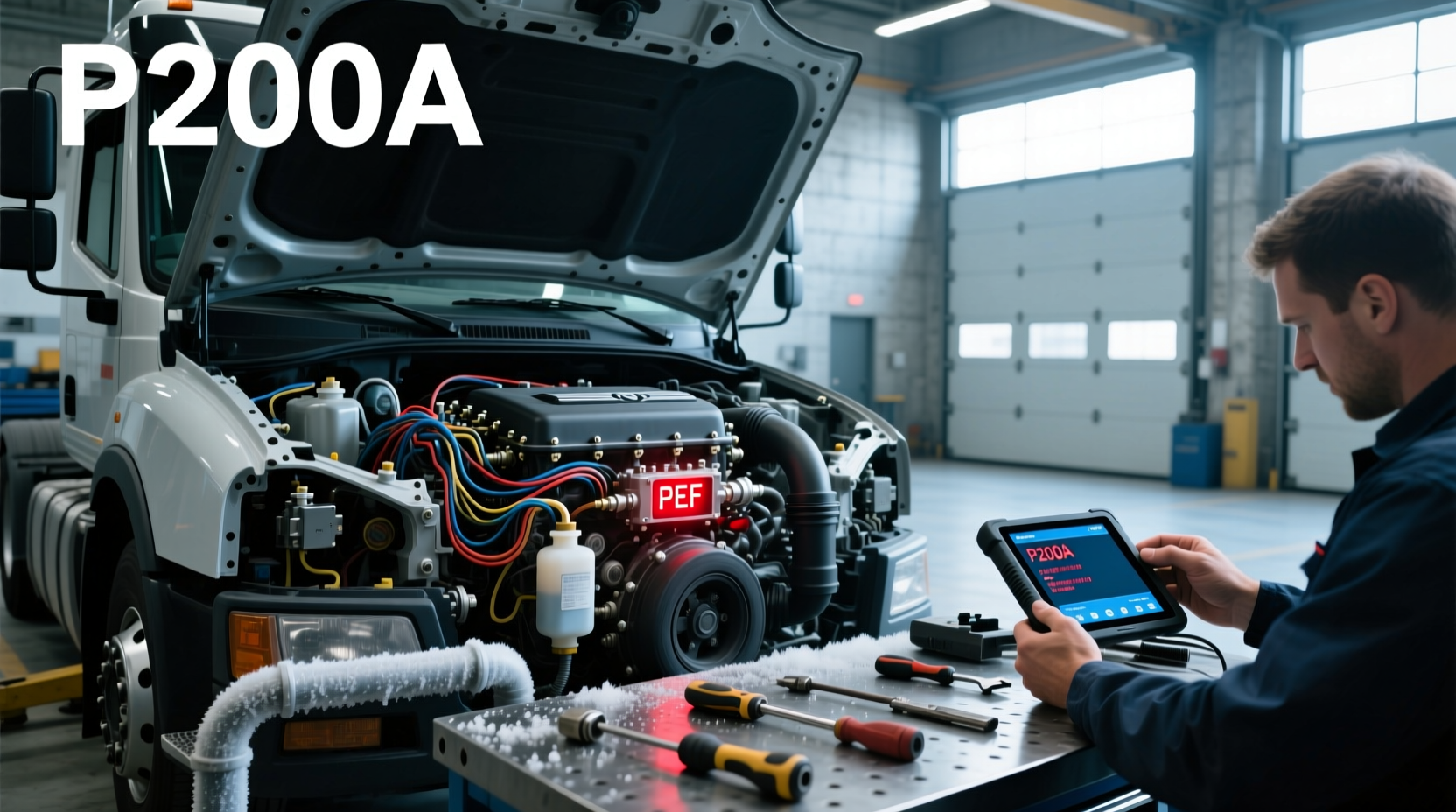
When a diesel vehicle's DEF (Diesel Exhaust Fluid) sensor fails, it can trigger dashboard warnings, reduce engine performance, or even prevent the engine from starting. Understanding what happens when a DEF sensor goes bad is crucial for fleet operators, truck owners, and diesel vehicle users who rely on consistent uptime and compliance with emissions standards. The DEF sensor—often part of a multi-function sending unit—monitors fluid level, temperature, and urea concentration to ensure the Selective Catalytic Reduction (SCR) system functions properly. Ignoring early warning signs can lead to false low-fluid alerts, incorrect dosing, or system shutdowns. This guide breaks down the root causes of DEF sensor problems, how to identify them, and practical steps to resolve issues—whether through cleaning, recalibration, or replacement.
What Is a DEF Sensor and Why Does It Matter?
The DEF sensor is a critical component in modern diesel engines equipped with SCR technology, required since 2010 in the U.S. and EU to meet emissions regulations. It ensures that the correct amount of diesel exhaust fluid—a mixture of urea and deionized water—is injected into the exhaust stream to convert harmful nitrogen oxides (NOx) into harmless nitrogen and water vapor.
Most DEF sensors are integrated units that perform multiple functions ⚙️:
- Level detection: Measures how much DEF remains in the tank
- Temperature monitoring: Ensures fluid doesn’t freeze or degrade in extreme heat
- Quality/concentration sensing: Verifies the urea solution is at the standard 32.5% concentration
These sensors typically use ultrasonic, capacitive, or resistive technologies to assess conditions within the DEF tank. A malfunction in any one of these functions can compromise the entire emissions system, leading to reduced power or regenerative drive mode restrictions.
Common Symptoms of a Failing DEF Sensor
Recognizing the early signs of DEF sensor problems helps avoid unexpected breakdowns. Here are the most frequently reported symptoms by drivers and technicians:
1. False Low-Fluid Warnings ❗
One of the most common issues is a dashboard alert indicating low DEF levels—even when the tank is full. This often stems from a faulty level sensor sending inaccurate signals to the Engine Control Module (ECM). Drivers may ignore refills unnecessarily or face immobilization if the system interprets this as non-compliance.
2. Engine Derate or No-Start Condition 🔧
If the ECM detects inconsistent or implausible data from the DEF sensor, it may initiate a derate sequence—gradually reducing engine power. In severe cases, especially after repeated warnings, the engine won’t restart until the issue is resolved. This is a built-in compliance feature to enforce proper emissions control.
3. Incorrect Temperature Readings 🌡️
DEF freezes at around 12°F (-11°C), but thawing should occur naturally with engine heat. A defective temperature sensor might report frozen fluid when it’s not, delaying regeneration cycles or causing false fault codes.
4. DEF Quality Fault Codes (e.g., P204F, P2050)
Modern systems monitor urea concentration. If the sensor detects diluted or contaminated fluid—either due to actual contamination or sensor drift—it logs a diagnostic trouble code (DTC). These codes require scanning tools to retrieve and clear.
5. Check Engine Light or SCR System Alerts ✅
A persistent check engine light linked to the SCR system often points to sensor communication failure, wiring issues, or internal sensor faults. Using an OBD-II scanner can help isolate whether the problem lies with the sensor itself or another part of the aftertreatment system.
Root Causes of DEF Sensor Failures
Understanding why DEF sensors fail helps in both prevention and troubleshooting. Several factors contribute to premature degradation:
Contamination of DEF Fluid 🧼
DEF is highly sensitive to contaminants. Using non-ISO 22241 certified fluid, introducing dirt during filling, or storing DEF improperly can leave residues on the sensor surface. Over time, crystallization of urea deposits coats the sensor, impairing its ability to accurately measure level or concentration.
Exposure to Extreme Temperatures
Frequent freezing and thawing cycles stress electronic components. While DEF tanks include heating elements, prolonged exposure to subzero temperatures without proper insulation can damage sensor circuitry or cause condensation inside connectors.
Poor Electrical Connections 🔌
Moisture ingress, corroded pins, or loose connectors disrupt signal transmission between the sensor and ECM. Many reported 'failed' sensors are actually suffering from poor grounding or voltage drops in the harness.
Sensor Aging and Wear
Like all electronic components, DEF sensors degrade over time. After 5–7 years of service, internal electronics may lose calibration accuracy, especially in high-mileage commercial vehicles.
Improper Installation or Handling
During tank maintenance or replacement, mishandling the sensor—such as dropping it or forcing connections—can damage delicate internal mechanisms. Always follow OEM torque specifications and handling guidelines.
How to Diagnose DEF Sensor Issues Step by Step
Before replacing expensive parts, verify the actual source of the problem. Follow this structured diagnostic process:
Step 1: Retrieve Diagnostic Trouble Codes (DTCs)
Use a compatible scan tool to read stored codes. Common DEF-related DTCs include:
- P204F: DEF quality below threshold
- P2050: DEF concentration sensor circuit malfunction
- P208A: DEF level too low for expected operation
- P20B0: DEF temperature sensor range/performance
Codes provide direction but don’t always confirm hardware failure—they could indicate software glitches or transient conditions.
Step 2: Inspect Physical Condition and Wiring
Visually examine the DEF tank cap, filler neck, and sensor housing for cracks, leaks, or corrosion. Check the connector for bent pins, moisture, or debris. Gently wiggle the connector while monitoring live data to detect intermittent faults.
Step 3: Verify Fluid Quality and Level
Drain a small sample of DEF and inspect for cloudiness, discoloration, or particles. Pure DEF should be clear and colorless. You can also test concentration using a refractometer calibrated for urea solutions. Compare results with sensor-reported values via live data feed.
Step 4: Monitor Live Data Streams
Connect a professional-grade scanner and observe real-time parameters:
- DEF level percentage
- Fluid temperature
- Urea concentration estimate
If readings remain static despite changes in tank level or ambient temperature, the sensor is likely faulty.
Step 5: Perform Actuator Tests (if supported)
Some scan tools allow activation of the DEF pump or heater. While not directly testing the sensor, this confirms other subsystems are functional, narrowing focus to the sensing module.
Can You Clean a DEF Level Sensor?
Yes, in some cases, cleaning a DEF level sensor can restore functionality, especially if buildup is the primary issue. However, success depends on the design and extent of contamination.
Safe Cleaning Procedure 🧼
- Disconnect the battery to prevent electrical shorts.
- Remove the DEF sending unit according to manufacturer instructions.
- Inspect for visible crystals or film on the sensor rod or housing.
- Gently clean with distilled water and a soft brush—never use solvents or abrasives.
- Rinse thoroughly and allow complete drying before reinstallation.
- Reconnect and clear DTCs using a scan tool.
Note: Some sensors have sealed housings and cannot be disassembled. Attempting to open them voids functionality. Always refer to service manuals before proceeding.
How Do You Reset the DEF Sensor?
There is no universal “reset button” for DEF sensors. However, several actions can reset related warnings:
- Clear DTCs with a scan tool: After fixing the underlying issue, erase error codes to stop alerts.
- Refill the DEF tank: On many vehicles, filling beyond a certain threshold (e.g., 12–18 oz) automatically resets low-level warnings.
- Drive cycle completion: Some systems require a specific driving pattern (e.g., highway speeds for 15+ minutes) to confirm normal operation and dismiss warnings.
- OEM-specific procedures: Certain brands like Freightliner or Volvo require proprietary software to recalibrate the sensor after replacement.
Never attempt to bypass or disable the DEF system—it violates emissions laws in most jurisdictions and can result in fines or failed inspections.
DEF Sensor Replacement: What to Know Before You Buy
If cleaning and diagnostics confirm a failed sensor, replacement becomes necessary. Consider these key points:
Original vs. Aftermarket Sensors
OEM sensors are calibrated to match specific vehicle models and often include embedded software compatibility. Aftermarket options may cost less but vary in reliability and long-term accuracy. For mission-critical fleets, OEM units generally offer better consistency.
Labor Complexity ⏱️
Replacement difficulty varies by make and model. In some trucks, the sensor is accessible from above the tank; in others, the entire DEF tank must be removed. Labor times range from 1 to 4 hours, affecting total repair cost.
Calibration Requirements
New sensors may need initialization through the ECM using dealer-level tools. Skipping this step can result in incorrect readings or persistent faults.
Cost Range (2024 Estimate)
| Vehicle Type | Sensor Cost | Labor Cost | Total Estimated |
|---|---|---|---|
| Class 8 Truck (Freightliner Cascadia) | $300–$600 | $150–$300 | $450–$900 |
| Mid-Size Pickup (Ram 2500) | $200–$400 | $100–$200 | $300–$600 |
| SUV (Jeep Grand Cherokee Diesel) | $250–$450 | $120–$250 | $370–$700 |
Preventing Future DEF Sensor Problems
Proactive maintenance reduces failure risk:
- Always use API-certified DEF meeting ISO 22241 standards.
- Keep the filler cap tightly closed to prevent moisture and debris entry.
- Store spare DEF in a cool, dry place away from direct sunlight.
- Inspect the tank and sensor annually, especially in harsh climates.
- Train drivers to recognize early warning signs and report them promptly.
Common Misconceptions About DEF Sensors
Several myths persist among vehicle owners:
Misconception 1: "I Can Use Water or Windshield Washer Fluid Instead"
No. Substitutes cause irreversible damage to the SCR catalyst and sensor. They also trigger immediate fault codes.
Misconception 2: "The Sensor Only Measures Fluid Level"
False. Modern sensors monitor level, temperature, AND concentration—any failure in one function affects overall system health.
Misconception 3: "Once Replaced, It Will Last Forever"
All sensors wear out. Even new units degrade under poor operating conditions or improper fluid use.
Regional Differences and Regulations
Emissions rules affect how strictly DEF systems are enforced. In the U.S. and EU, tampering with or disabling the DEF system is illegal. Canada and Australia have similar restrictions. Some regions offer cold-climate adaptations, such as enhanced heating circuits, which impact sensor design and durability.
Conclusion: Address DEF Sensor Problems Early
Ignoring DEF sensor problems risks costly downtime, legal penalties, and environmental non-compliance. By understanding the symptoms, diagnosing accurately, and taking appropriate corrective action—whether cleaning, resetting, or replacing—you maintain vehicle reliability and emissions integrity. Regular inspection and using high-quality DEF fluid go a long way in extending sensor life.
Frequently Asked Questions
- What happens when a DEF sensor goes bad?
- A failing DEF sensor can cause false low-fluid warnings, engine derating, inability to start, or SCR system malfunctions due to incorrect level, temperature, or concentration readings.
- What is a DEF sensor?
- A DEF sensor is an electronic device that monitors the level, temperature, and urea concentration of Diesel Exhaust Fluid in the tank to ensure proper operation of the Selective Catalytic Reduction system.
- Can you clean a DEF level sensor?
- Yes, in some cases. If contamination or crystallization is present, carefully cleaning the sensor with distilled water may restore function—but only if the unit is serviceable and not sealed.
- How do you reset the DEF sensor?
- There's no direct reset. Instead, clear fault codes with a scan tool, refill the DEF tank, and complete a drive cycle. Some vehicles require OEM software to reinitialize the sensor.
- Where is the DEF sensor located?
- The DEF sensor is typically located inside or on top of the DEF tank, often integrated into the sending unit. On most vehicles, the tank is near the diesel fuel filler or under the hood.





 浙公网安备
33010002000092号
浙公网安备
33010002000092号 浙B2-20120091-4