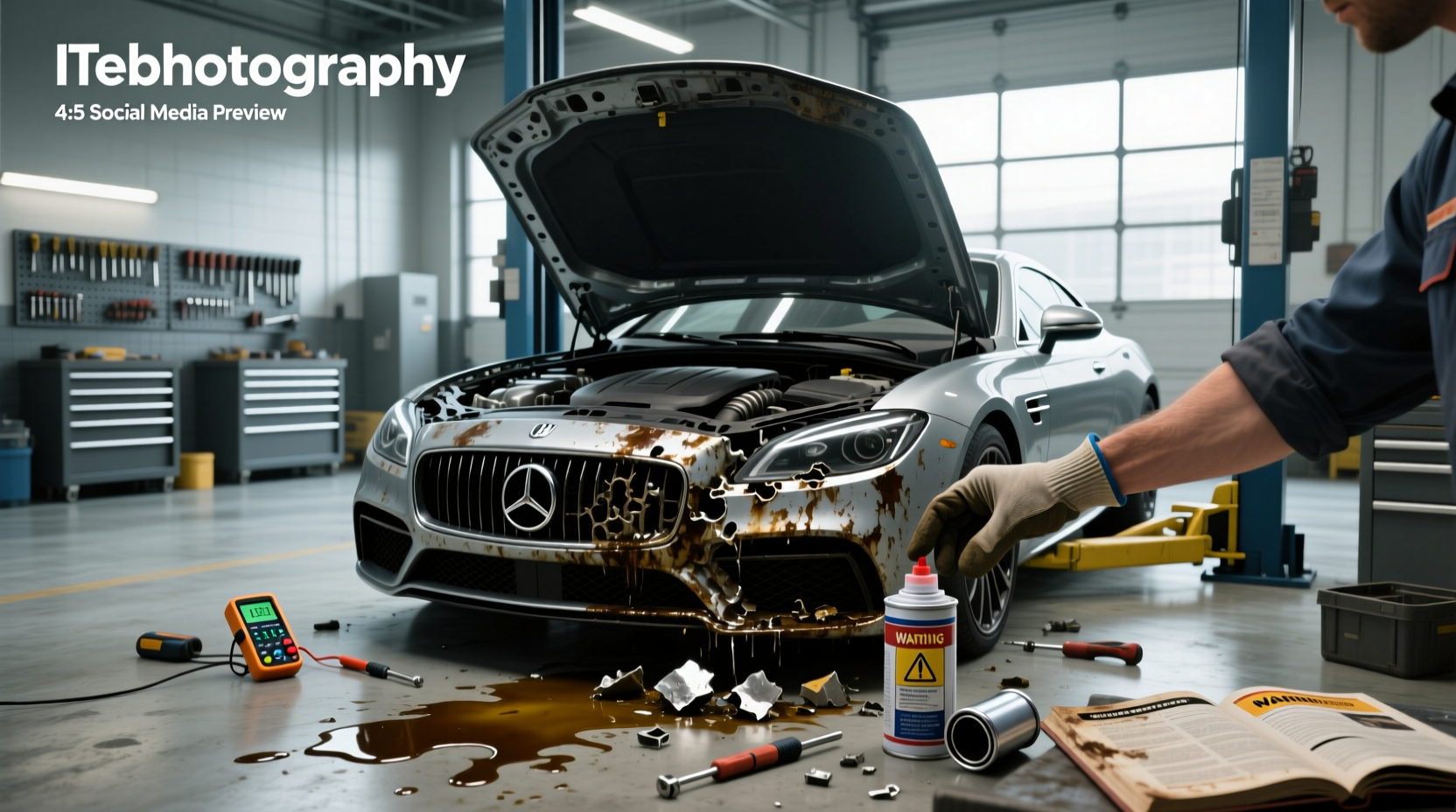
Using an engine flush may seem like a quick fix to clean internal deposits and improve performance, but the disadvantages of an engine flush can outweigh the benefits—especially in well-maintained or older vehicles with degraded seals. This article explores the key risks, including dislodged sludge blocking oil passages, accelerated oil leaks from compromised gaskets, and potential engine damage. We’ll help you determine if an engine flush is appropriate based on your vehicle’s condition, maintenance history, and mileage, so you can make an informed decision before your next oil change.
What Is an Engine Flush?
An engine flush is a chemical cleaning process performed before an oil change. It involves adding a specialized detergent-based additive into the engine’s oil system, running the engine at idle for 10–15 minutes, and then draining both the old oil and the flush solution. The goal is to dissolve and remove accumulated sludge, varnish, carbon deposits, and other contaminants that build up over time, particularly in engines with delayed maintenance or frequent short-trip driving 1.
While this sounds beneficial, especially for neglected engines, the reality is more complex. These flush additives are highly aggressive solvents designed to break down stubborn residues. However, their strength also introduces significant risks, especially if used incorrectly or on unsuitable engines.
Why Do Mechanics Recommend an Engine Flush?
You might hear recommendations for an engine flush during routine service visits, especially at quick-lube shops or dealerships. Common reasons include:
- Black or dirty oil after a short interval
- High-mileage vehicles showing signs of reduced performance
- Long intervals between oil changes
- Preparation for switching to a different oil type (e.g., conventional to synthetic)
However, many experienced mechanics argue that these recommendations are often unnecessary—and sometimes even harmful. As discussed in online automotive forums like r/MechanicAdvice, some users report being pressured into an engine flush without clear justification 2. This raises concerns about whether the procedure is truly needed or simply a profit-driven upsell.
Common Disadvantages of an Engine Flush
Despite the marketing claims, there are several documented drawbacks to using an engine flush. Below are the most critical issues drivers should understand before proceeding.
1. Dislodged Sludge Can Block Oil Passages ❗
One of the biggest dangers of an engine flush is that it can loosen large chunks of sludge that were previously stable inside the engine. While the additive breaks down deposits, those particles don’t always dissolve completely. Instead, they can break free and travel through the oil galleries—narrow channels that deliver oil to vital components like camshafts, lifters, and bearings.
If these particles are too large, they may clog the oil pickup screen or restrict flow in critical areas. In severe cases, this leads to temporary or permanent oil starvation, resulting in increased wear, overheating, or catastrophic engine failure.
This risk is especially high in older engines or those with long-overdue oil changes. If sludge has been present for years, suddenly removing it all at once can overwhelm the system.
2. Accelerated Oil Leaks from Degraded Seals ✅
Another major disadvantage is the potential to expose or worsen existing oil leaks. Over time, engine gaskets and seals degrade. In some cases, sludge buildup around these areas acts as a temporary sealant, masking small leaks.
When a powerful flush removes this grime, it can uncover hidden weaknesses in valve cover gaskets, rear main seals, or timing covers. After the flush, drivers may notice new or increased oil seepage—even if no mechanical damage occurred during the process.
This doesn’t mean the flush “caused” the leak—it revealed one that was already developing. But for the average driver, this sudden appearance of oil spots under the car can be alarming and costly to repair.
3. Risk of Additive Residue or Incomplete Removal 🧼
Not all engine flush chemicals are fully removed during the oil drain. Some residues may remain in the oil pan, cooler lines, or filter housing. If not thoroughly flushed out with fresh oil, these leftover chemicals can contaminate the new motor oil, reducing its effectiveness and potentially affecting viscosity stability or additive balance.
To minimize this, manufacturers typically recommend running the engine briefly after adding the flush, then immediately draining the oil while the engine is still warm. Some experts even suggest doing a second oil change shortly afterward to ensure complete removal of any residual cleaner.
4. Unnecessary for Well-Maintained Engines ⚙️
Modern motor oils contain detergents and dispersants that continuously clean the engine during normal operation. Vehicles that follow recommended oil change intervals rarely accumulate enough sludge to justify a dedicated flush.
In fact, introducing a harsh chemical treatment into a healthy engine provides no measurable benefit and only increases the chance of unintended side effects. For regularly serviced cars, the safest and most effective way to keep the engine clean is consistent use of quality oil and timely filter replacements.
5. Potential Damage to Bearings and Internal Components ⚠️
Some engine flush products contain strong solvents that may affect non-metallic engine parts, such as plastic sensors, rubber hoses, or composite bearings. While rare, prolonged exposure or misuse (e.g., leaving the flush in too long) could lead to material breakdown.
Additionally, if the flush causes excessive foaming in the crankcase, it can reduce lubrication efficiency and increase the risk of metal-to-metal contact in high-load areas.
When Might an Engine Flush Be Justified?
Despite the risks, there are specific scenarios where an engine flush might be considered—with caution.
High-Mileage Engines with Known Sludge Buildup 🔍
Vehicles with over 100,000 miles and inconsistent maintenance histories may have significant internal contamination. If diagnostic tools (like borescopes or oil analysis) confirm heavy sludge, a controlled flush *might* help restore oil flow before a full service.
Even then, it should only be done by a qualified technician who can assess the engine’s condition first.
Before Major Repairs or Rebuilds 🛠️
During engine overhauls or turbocharger replacements, mechanics sometimes use flushing techniques to remove debris left from previous failures. In these cases, the engine is often partially disassembled, allowing direct access to clean oil passages safely.
Switching to Synthetic Oil After Long-Term Conventional Use 🌐
Synthetic oils have superior cleaning power compared to conventional oils. If switching after years of using conventional oil, some worry that the stronger detergents in synthetics could loosen sludge rapidly.
A mild pre-cleanse might be advised in extreme cases—but again, this is controversial. Most experts agree that gradual cleaning through regular synthetic oil changes is safer than a sudden chemical flush.
Alternatives to Chemical Engine Flushes
If you're concerned about engine cleanliness but want to avoid the risks of a chemical flush, consider these safer alternatives:
Extended Oil Change Intervals with Quality Oil ✨
Running high-detergent synthetic oil (such as those meeting API SP or ILSAC GF-6 standards) for shorter intervals (e.g., every 3,000–5,000 miles) over several changes can gradually clean deposits without shocking the engine.
Oil Analysis Testing 📊
Sending a sample of your used oil to a lab can reveal levels of contaminants, wear metals, and sludge formation. This data-driven approach helps determine whether internal cleaning is actually needed, rather than guessing based on color or mileage.
Internal Engine Cleaning via Crankcase Ventilation Service 🧰
Many modern engines suffer from PCV (Positive Crankcase Ventilation) system clogs due to blow-by gases forming deposits in the intake manifold. Cleaning the PCV valve and associated hoses can improve engine breathing and reduce oil contamination—without touching the internal oil galleries.
How to Perform an Engine Flush Safely (If You Must)
If you decide to proceed despite the disadvantages of an engine flush, follow these steps to reduce risk:
- Warm the Engine: Run the engine for 5–10 minutes to bring it to operating temperature. Warm oil flows better and carries loosened particles more effectively.
- Add the Flush Additive: Pour the recommended amount into the oil filler neck. Follow product instructions carefully—do not exceed dosage.
- Idle Only – No Driving: Start the engine and let it idle for 10–15 minutes. Do not rev or drive the vehicle. This allows circulation without stressing the engine under load.
- Drain Immediately: Shut off the engine and drain both the flush solution and old oil completely. Replace the oil filter at this stage.
- Refill with Fresh Oil: Use the correct grade and specification. Consider running a second oil change within 1,000 miles to ensure full removal of residue.
Never leave the flush additive sitting in the engine overnight or for extended periods. Prolonged exposure increases the chance of seal degradation or chemical breakdown.
Myths vs. Facts About Engine Flushes
There are many misconceptions surrounding engine flushes. Let’s clarify a few common ones.
| Myth | Fact |
|---|---|
| Engine flushes improve fuel economy | No proven long-term improvement; any gains are likely temporary and marginal |
| Dark oil means sludge is building up | Modern oils turn dark quickly due to detergents capturing dirt—it’s normal |
| All high-mileage cars need a flush | Only if diagnostics show actual sludge—not just based on age or mileage |
| Flushes prevent engine wear | Clean oil and filters prevent wear; flushes carry their own risks |
Expert Opinions and Community Feedback
The automotive community remains divided on engine flushes. On platforms like Bob is the Oil Guy and Reddit’s r/MechanicAdvice, many seasoned users warn against them, calling them "unnecessary," "risky," or even "scams" when pushed by service centers 3.
Conversely, some detail-oriented mechanics support limited use in specific situations—such as preparing a neglected engine for restoration. The consensus among most experts, however, leans toward prevention through proper maintenance rather than corrective chemical treatments.
Cost Considerations and Value Assessment
Having a mechanic perform an engine flush typically costs between $50 and $100, plus the price of new oil and a filter. DIY kits range from $10 to $30. While the upfront cost seems low, potential downstream repairs—from oil leaks to engine damage—can run into hundreds or thousands of dollars.
Ask yourself: Is the potential benefit worth the risk? For most drivers maintaining their vehicles properly, the answer is no.
Final Recommendations: Should You Use an Engine Flush?
The disadvantages of an engine flush—particularly sludge blockage, seal exposure, and lack of benefit in maintained engines—make it a questionable procedure for everyday use.
You should avoid an engine flush if:
- Your engine is well-maintained with regular oil changes
- You have a high-mileage vehicle with known oil consumption or leaks
- The recommendation comes solely from a quick-lube center without diagnostics
- Your vehicle manufacturer does not endorse the practice
Consider it only if:
- A certified mechanic confirms significant internal sludge via inspection or testing
- You’re preparing a neglected engine for long-term use or sale
- You accept the risks and take precautions (e.g., immediate oil change, post-inspection)
Ultimately, the best way to avoid needing an engine flush is simple: stick to your vehicle’s recommended maintenance schedule, use quality motor oil, and avoid short-trip driving whenever possible.
Frequently Asked Questions
- Can an engine flush damage my engine?
- Yes, if sludge is dislodged and blocks oil passages, or if degraded seals begin leaking after cleaning. The risk is higher in older or poorly maintained engines.
- Is it safe to do an engine flush on a high-mileage car?
- Generally not recommended. High-mileage engines often have worn seals; removing protective sludge can trigger leaks. Consult a mechanic first.
- What happens if I leave engine flush in too long?
- Prolonged exposure can degrade gaskets, cause foaming, or damage sensor components. Always follow the product’s specified dwell time—usually 10–15 minutes at idle.
- Do modern engines need an engine flush?
- No. Modern oils contain detergents that clean continuously. Regular oil changes are sufficient for keeping the engine clean.
- Are there safer alternatives to chemical engine flushes?
- Yes. Using high-quality synthetic oil with frequent changes, performing PCV system maintenance, and conducting oil analysis are safer ways to monitor and maintain engine health.





 浙公网安备
33010002000092号
浙公网安备
33010002000092号 浙B2-20120091-4