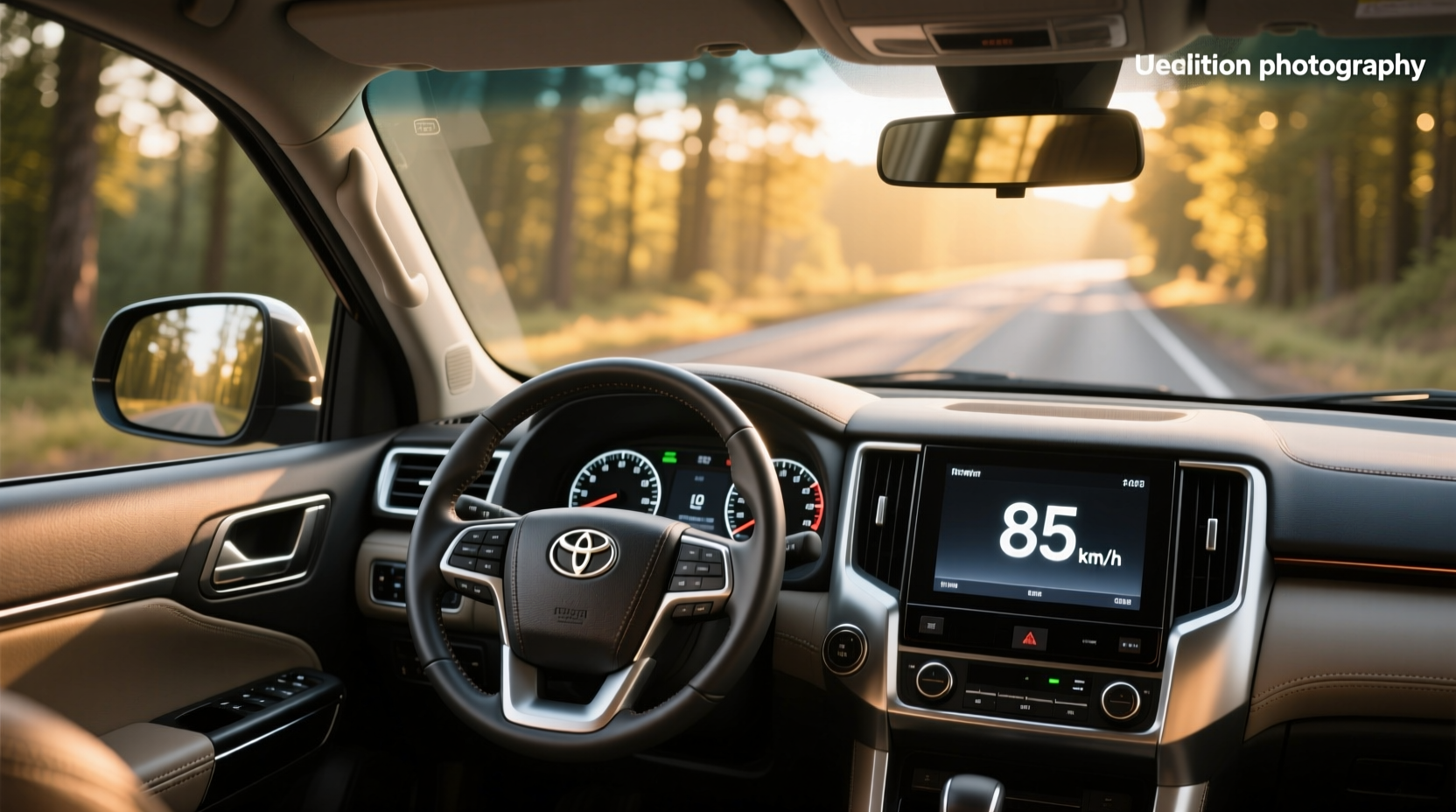
If your Toyota Fortuner’s speedometer is acting up—showing incorrect readings, freezing, or going completely blank—you're not alone. A malfunctioning Fortuner speedometer can compromise safety and lead to inaccurate mileage tracking. Common causes include faulty vehicle speed sensors, instrument cluster failures, wiring issues, or ECU communication errors. The good news? Most problems are diagnosable with basic tools, and many owners successfully upgrade to digital displays for better clarity and functionality.
Why the Fortuner Speedometer Matters
The speedometer in your Toyota Fortuner isn’t just about knowing how fast you’re driving—it plays a critical role in vehicle diagnostics, transmission behavior, cruise control operation, and fuel efficiency calculations. When it fails, other systems may also be affected. Understanding how the system works helps you identify whether the issue lies in the sensor, wiring, cluster, or software.
Common Symptoms of a Failing Fortuner Speedometer
Before diving into fixes, recognize the warning signs:
- 📉 Inconsistent or jumping speed readings: Needle fluctuates without changes in speed
- 🛑 Speedometer reads zero at all times, even while driving
- 🔁 Intermittent function: Works sometimes, then cuts out randomly
- ⚠️ Odometer stops updating or shows error messages
- 🔔 Check Engine Light (CEL) appears alongside speed issues
- 📶 Cruise control fails to engage or disengages unexpectedly
These symptoms often point to underlying electrical or mechanical faults that need systematic diagnosis.
Understanding How the Fortuner Speedometer Works
Toyota Fortuners manufactured between 2005 and 2023 use either analog (mechanical needle) or digital (LCD/LED display) speedometers depending on model year and trim level. Modern models integrate the speedometer into a digital instrument cluster that communicates via the CAN bus network.
⚙️ Analog Systems: Older Fortuners (pre-2016) typically use a speed sensor mounted on the transmission. This sensor sends electrical pulses proportional to wheel rotation to the instrument cluster, which moves the needle accordingly.
✨ Digital Systems: Newer variants (especially from 2016 onward) rely on the Vehicle Speed Sensor (VSS), which feeds data to the Engine Control Unit (ECU). The ECU processes this and transmits it over the vehicle’s internal network to the digital dashboard.
This shift from mechanical to electronic systems improves accuracy but introduces new failure points like software glitches or CAN bus errors.
Top Causes of Fortuner Speedometer Failure
Let’s break down the most frequent culprits behind speedometer malfunctions in the Fortuner lineup.
1. Faulty Vehicle Speed Sensor (VSS)
📍 Found on the transmission housing, the VSS is one of the most common sources of speedometer failure. Over time, dirt buildup, corrosion, or internal component wear can cause inaccurate signal output.
🔧 Symptoms: No speed reading, erratic behavior, CEL with code P0500 (Vehicle Speed Sensor Malfunction).
🛠️ Fix: Replace the VSS—usually a straightforward job requiring basic hand tools. Cost ranges from $30–$100 USD depending on OEM vs aftermarket parts.
2. Instrument Cluster Issues
🛒 In older Fortuners, especially those used in high-heat climates, the instrument cluster’s internal circuitry can degrade. Solder joints crack, stepper motors fail, or LCD segments stop working.
🔧 Symptoms: Partial or total loss of display, dim backlighting, frozen gauges.
🛠️ Fix: Repair by reflowing solder joints or replacing stepper motors. Alternatively, replace the entire cluster. Some owners opt for upgraded digital clusters sourced from Alibaba or regional suppliers 1.
3. Wiring and Connector Problems
🔌 Corrosion, rodent damage, or loose connections along the harness between the VSS and the ECU/instrument panel can interrupt signal flow.
🔍 Diagnosis Tip: Inspect connectors near the firewall and under the center console. Use a multimeter to test continuity.
🛠️ Fix: Clean corroded terminals, repair damaged wires, or replace sections of the harness.
4. ECU or TCU Software Glitches
🌐 In rare cases, firmware bugs in the Engine Control Unit (ECU) or Transmission Control Unit (TCU) prevent proper interpretation of speed signals.
⚡ Solution: Perform an ECU reset or update through a qualified technician using Toyota’s Techstream diagnostic tool.
5. Aftermarket Modifications
🔧 Installing larger tires, lifting the suspension, or changing differentials without recalibrating the speedometer can result in inaccurate readings.
📌 Tip: If you’ve modified tire size, consider using a speedometer calibration device or have the ECU adjusted to reflect actual rolling diameter.
Can You Upgrade to a Digital Speedometer in a Fortuner?
Yes—many Fortuner owners upgrade from analog to full digital LCD instrument clusters for enhanced visibility and modern aesthetics. This trend mirrors similar upgrades seen in the Innova Crysta community 2.
What’s Involved in a Digital Cluster Swap?
- ✅ Compatibility Check: Ensure the digital cluster matches your Fortuner’s model year (e.g., 2016–2023 models support plug-and-play swaps more easily)
- 🔧 Wiring Integration: May require splicing or using an adapter harness
- ⚙️ Programming Needs: Some units need initial setup via OBD-II interface
- 💰 Cost Range: $500–$1,300 USD for complete digital dash modules
Popular options include 12.3-inch LCD virtual cockpits featuring customizable themes, integrated tachometers, fuel economy meters, and ambient lighting controls. While not factory-standard, these upgrades are increasingly available through global suppliers.
Step-by-Step: Diagnosing Your Fortuner Speedometer Issue
Follow this logical process to isolate the root cause:
- Check for Diagnostic Trouble Codes (DTCs)
Use an OBD-II scanner to check for codes like P0500, P0720, or U0407. These indicate VSS or communication faults. - Inspect the Vehicle Speed Sensor
Locate the VSS on the transmission (usually near the rear output shaft). Remove and inspect for debris or magnet wear. Test resistance if specifications are known. - Test Signal Output
With the sensor removed, rotate the gear manually while monitoring AC voltage with a multimeter. A functioning sensor should generate increasing voltage with rotation speed. - Examine Instrument Cluster Power & Ground
Ensure the cluster receives stable 12V power and has solid ground connections. Voltage drops can cause intermittent failures. - Verify CAN Bus Communication
On newer models, use a scan tool capable of viewing live data from the instrument cluster. Lack of speed data here suggests a network issue rather than a local fault. - Swap Test (if possible)
Install a known-good cluster or sensor to confirm the diagnosis before purchasing replacements.
Is Replacing the Entire Cluster Necessary?
Not always. Before opting for a full replacement:
- 🧰 Consider professional cluster repair services specializing in Toyota instruments
- 🔍 Look for refurbished units with warranties
- 🌐 Explore cost-effective digital upgrades that offer better long-term reliability
However, if moisture damage or extensive circuit board corrosion is present, replacement is usually the safest option.
Where to Buy Fortuner Speedometer Parts?
Genuine OEM parts are ideal for reliability, but availability varies by region. Alternatives include:
| Source | Type | Pros | Cons |
|---|---|---|---|
| OEM Dealerships | Genuine | Perfect fit, warranty, plug-and-play | High cost, limited stock |
| Online Marketplaces (e.g., eBay) | New/Used | Global shipping, competitive pricing | Risk of counterfeit, no warranty |
| Alibaba Suppliers | Aftermarket/Digital Upgrades | Bulk pricing, customization, digital options | Long shipping, variable quality |
| Local Auto Electricians | Repaired Units | Immediate service, tested function | Limited selection |
When sourcing online, verify seller ratings, request product images, and confirm compatibility with your VIN or model details.
Preventing Future Speedometer Issues
Maintain long-term reliability with these proactive steps:
- 🌧️ Protect against water intrusion—ensure gaskets around the cluster are intact
- 🔋 Maintain healthy battery voltage; low voltage stresses electronics
- 🧹 Keep connectors clean and dielectric grease applied
- 🔄 Periodically inspect VSS and surrounding area for debris
- 📱 Use a reliable OBD-II monitor to catch early signs of sensor degradation
Regional Differences in Fortuner Speedometer Design
Toyota tailors instrument clusters based on market regulations and preferences:
- 🌍 Middle East/Gulf Models: Often feature Arabic-English dual labeling and higher brightness displays
- 🌏 ASEAN Models (Indonesia, Philippines): May include additional temperature warnings due to tropical climate
- 🌎 South African & Australian Specs: Calibrated for metric-only display and rugged terrain durability
Always confirm regional compatibility when importing clusters or sensors.
Myths About Fortuner Speedometer Repairs
Let’s clear up some common misconceptions:
❌ "Only the Dealer Can Fix It"
While dealerships offer OEM expertise, independent auto electricians and DIY enthusiasts regularly repair or replace clusters successfully.
❌ "Digital Clusters Are Less Reliable"
Modern digital displays are generally more accurate and durable than aging analog mechanisms—provided they’re from reputable sources.
❌ "Changing Tires Doesn’t Affect Speed Readings"
It absolutely does. Larger tires rotate slower at the same road speed, causing the speedometer to read lower than actual velocity—a potential legal risk during speed enforcement.
Real User Experiences: What Owners Say
Across forums and social media, Fortuner owners report mixed experiences:
- 👥 Many praise digital upgrades for improved night visibility and modern look
- ⏱️ Some note delays in finding compatible clusters for pre-2016 models
- 🚚 Buyers from Alibaba mention longer delivery times but satisfaction with product quality upon arrival
- 🔧 DIY repairs are common, though beginners are advised to seek help for CAN bus-related work
When to Seek Professional Help
Consider expert assistance if you encounter:
- Complex wiring modifications
- Need for ECU reprogramming
- Unexplained CAN bus communication errors
- Lack of access to proper diagnostic tools
A certified technician with Toyota-specific equipment can save time and prevent further damage.
Final Thoughts: Balancing Cost, Reliability & Functionality
Dealing with a faulty Fortuner speedometer doesn’t have to mean expensive dealership visits or living with unreliable readings. By understanding the system architecture, recognizing early symptoms, and exploring both repair and upgrade paths, you can restore accurate speed monitoring efficiently.
Whether you choose to fix the original unit, install a digital replacement, or recalibrate after modifications, the key is taking informed action. Prioritize compatibility, verify part authenticity, and document any changes made for future reference.
Frequently Asked Questions (FAQs)
- ❓ Why is my Fortuner speedometer not working but the engine runs fine?
- The speedometer relies on a separate signal path (from VSS to cluster) independent of engine operation. A failed sensor, wiring break, or cluster fault can disable speed display without affecting drivability.
- ❓ Can I drive my Fortuner safely if the speedometer is broken?
- You can, but it's risky and may violate traffic laws. Use GPS-based speed apps temporarily and get the issue fixed promptly.
- ❓ How much does it cost to replace a Fortuner speedometer cluster?
- Replacement costs range from $200 (used) to over $1,000 (new digital module), depending on model year and source.
- ❓ Will changing tire size affect my Fortuner’s speedometer reading?
- Yes. Larger tires increase actual speed beyond what the speedometer shows. Recalibration or ECU adjustment is recommended.
- ❓ Are digital speedometer upgrades for the Fortuner plug-and-play?
- Some are, especially for 2016–2023 models. Older models may require harness modifications or coding via OBD-II.





 浙公网安备
33010002000092号
浙公网安备
33010002000092号 浙B2-20120091-4