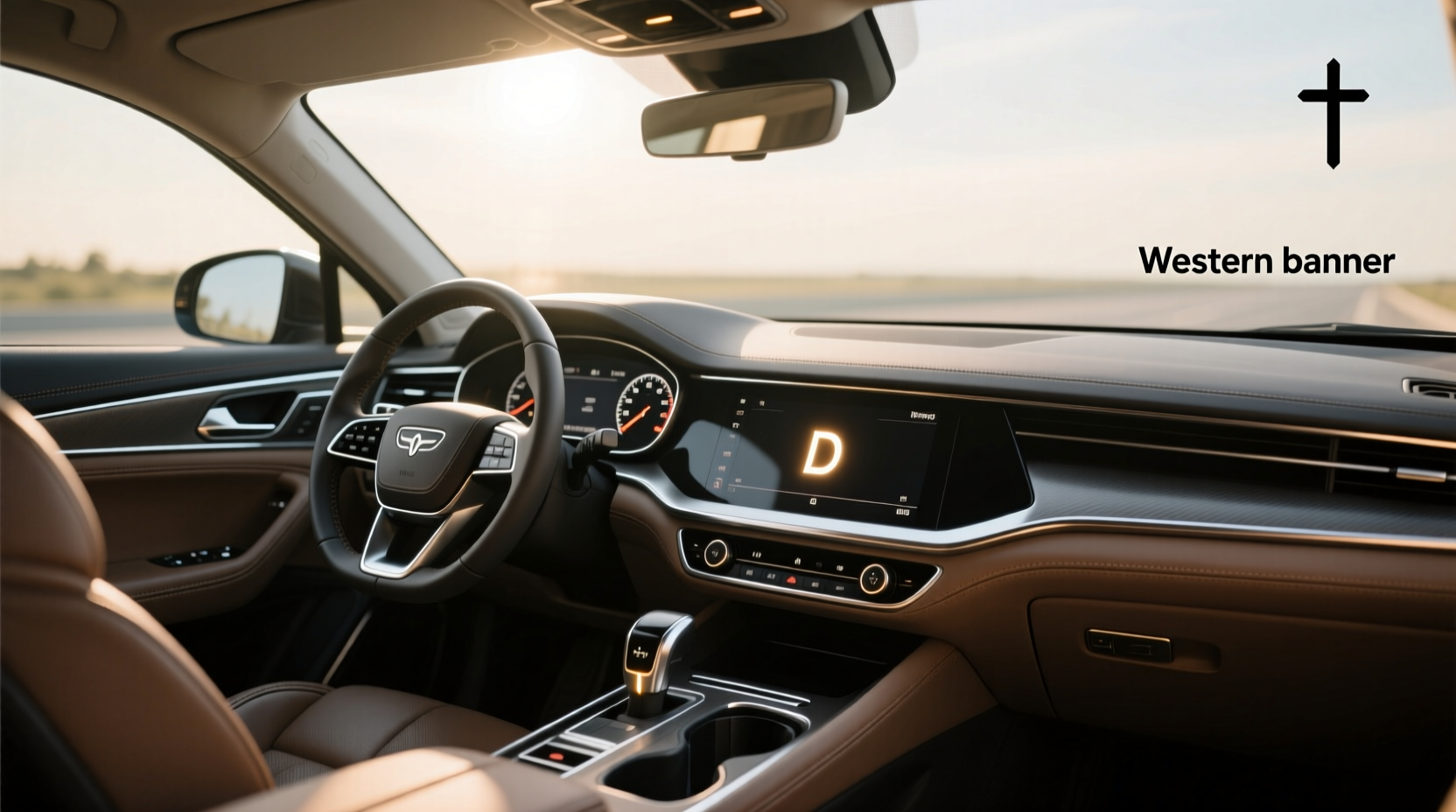
For drivers of manual transmission vehicles, knowing the current gear is essential for smooth shifting, fuel efficiency, and engine protection. A gear indicator light—or digital gear display—provides real-time feedback on which gear is engaged, helping both novice and experienced drivers optimize performance. Unlike factory-installed shift lights that signal when to upshift, a true gear position indicator shows the actual selected gear (1st, 2nd, etc.) via LED or digital readouts on the dashboard or shifter knob1. This distinction is crucial: while shift lights promote fuel-efficient driving, gear indicators enhance situational awareness, especially in modified, high-performance, or retrofit applications where OEM displays are absent.
Understanding Gear Indicator Lights: Purpose and Functionality
A gear indicator light system detects the current gear position of a vehicle’s transmission and visually communicates it to the driver. These systems are most commonly used in manual transmission cars but can also be adapted for automatics with selectable modes (e.g., Sport, Manual, Paddle Shift). The core function is simple: convert mechanical or electronic signals from the transmission into a readable output—typically numbers (1–6) or letters (R, N)—using illuminated digits, LEDs, or small LCD/LED displays.
The technology behind these indicators varies. In factory-equipped performance models like certain BMWs or Audis, the vehicle’s ECU directly reads gear position through sensor inputs. Aftermarket units, however, often rely on one of two methods: mechanical linkage sensors or digital signal interpretation. Mechanical systems use microswitches attached to the shift linkage that trigger based on physical movement. Digital systems interface with the car’s OBD-II port or CAN bus network, interpreting data from existing transmission sensors or aftermarket ECUs.
Some advanced models combine gear indication with additional features such as shift lights, RPM thresholds, lap timing, or even Bluetooth connectivity for smartphone integration. These multifunctional devices are popular among track enthusiasts and tuners who want consolidated instrumentation without cluttering the cabin with multiple gauges.
Why Use a Gear Indicator? Common Use Cases and Benefits
While many modern automatics include gear indicators by default, manual transmission vehicles—especially older or base-trim models—often lack this feature. Adding an aftermarket gear indicator light addresses several practical needs:
- Improved Driving Precision: Especially useful during spirited driving or track sessions where glance time matters. Knowing your exact gear helps avoid missed shifts or accidental neutral drops.
- Training Tool for New Drivers: Learners benefit from immediate visual confirmation of gear selection, reinforcing proper clutch and shifting technique.
- Restoration and Retrofit Projects: Classic car restomods frequently integrate modern electronics for safety and convenience. A discreet gear indicator maintains vintage aesthetics while adding functionality.
- Performance Tuning Integration: When paired with standalone ECUs (like MoTeC, Haltech, or ECUMaster), gear indicators sync seamlessly with data logging and traction control systems.
- Fuel Efficiency Monitoring: Combined with a shift light, drivers can learn optimal shift points for economy or power delivery depending on driving mode.
Despite these advantages, not every driver needs a gear indicator. For daily commuting in city traffic, the added complexity may offer minimal benefit. Additionally, poorly calibrated systems can misread gears due to slop in worn linkages or incorrect sensor alignment, leading to confusion rather than clarity.
Types of Gear Indicators: Comparing Technologies and Designs
Gear indicators come in various forms, each suited to different vehicle setups and user preferences. Understanding the types helps ensure compatibility and reliability.
Digital Display Units
These are standalone modules with numeric LED or LCD screens. Brands like Dakota Digital and Intellitronix offer universal kits that connect to shift lever sensors or ECU outputs. They typically mount on the dashboard or center console and provide clear numerical readouts. Some support color customization and brightness adjustment for night driving.
Integrated Shift Knobs with Displays
Innovative designs embed miniature displays directly into the shift knob. Using addressable LEDs or OLED matrices, these units show the current gear right at the driver’s fingertips. DIY versions using Arduino or Raspberry Pi have gained popularity among hobbyists2. While visually striking, they require careful wiring and waterproofing to prevent failure from vibration or moisture.
Vertical vs. Horizontal Panel Gauges
Some manufacturers, like Ron Francis Wiring, produce analog-style panel meters with vertical or horizontal layouts. These use moving needles or stacked LEDs to indicate gear position and blend well with classic interiors. Though less common today, they remain a favorite in custom builds aiming for retro-futuristic styling.
OEM-Style Embedded Systems
High-end aftermarket ECUs (e.g., ECUMaster, Motec) include built-in gear detection logic that works with existing transmission sensors. These systems eliminate the need for external switches or complex calibration, offering plug-and-play operation when integrated with compatible dash displays.
| Type | Installation Complexity | Accuracy | Ideal Use Case |
|---|---|---|---|
| Digital Display (Universal) | Medium | Moderate to High | Street performance, daily drivers |
| Shift Knob Display | High | Variable | Show cars, tech-focused builds |
| Panel Gauge (Analog) | Low to Medium | Moderate | Classic restorations |
| OEM/ECU Integrated | High | Very High | Race cars, professional tuning |
Installation Considerations: Wiring, Calibration, and Compatibility
Installing a gear indicator light isn’t always plug-and-play. Several factors influence success:
Sensor Type and Signal Input
Most universal indicators require either discrete switch inputs (one per gear) or analog voltage signals. Vehicles with mechanical shift linkages may need microswitches installed on the shifter mechanism. Each switch corresponds to a specific gear path and sends a ground or +12V signal when activated. Proper mechanical alignment is critical; otherwise, false readings occur.
Alternatively, CAN-based systems tap into the vehicle’s communication bus, extracting gear data already calculated by the TCM or ECU. This method avoids intrusive modifications but requires protocol decoding and sometimes firmware configuration.
Power Supply and Grounding
Like any electronic accessory, stable power and solid grounding are essential. Connect the unit to a switched 12V source so it only operates when the ignition is on. Avoid sharing circuits with high-draw accessories to prevent voltage drops that could reset the module.
Mounting Location and Visibility
Place the display within natural line-of-sight—near the speedometer, tachometer, or HVAC controls. Avoid obstructing airbags or critical warning lights. For shift knob displays, ensure the wiring allows full range of motion without strain.
Calibration Process
After installation, calibration ensures accurate readings. This usually involves placing the transmission in each gear and programming the corresponding input. Some units auto-learn positions; others require manual setup via buttons or software. Always verify operation across all gears, including reverse and neutral.
Common Misconceptions About Gear Indicators
Despite growing adoption, several myths persist about gear indicator lights:
- Myth: They Improve Fuel Economy Directly – While a shift light can guide efficient shifting, the gear indicator itself doesn’t save fuel. Its role is informational, not behavioral.
- Myth: All Systems Work Plug-and-Play – Many assume universal kits fit any car. In reality, compatibility depends on transmission type, sensor availability, and electrical architecture.
- Myth: They Prevent Engine Damage – No indicator prevents redline overrevving if the driver ignores auditory and tactile cues. It complements—but doesn’t replace—good driving habits.
- Myth: Only Necessary for Racing – While valuable on track, everyday benefits include reduced cognitive load in stop-and-go traffic and improved confidence during hill starts.
Aftermarket Market Overview: Pricing, Brands, and Value
The market offers options ranging from budget ($30–$60) to premium ($300+) units. Lower-cost models often use basic LED arrays and require manual wiring. Higher-end versions feature programmable colors, wireless updates, and integration with data loggers.
Notable brands include:
- Dakota Digital: Known for high-quality analog-style gauges with digital internals.
- Intellitronix: Offers affordable universal gear indicators with standard mounting patterns.
- ECUMaster: Targets professional motorsports with CAN-enabled, ECU-synced indicators.
- Lokar: Specializes in mechanical shift indicators with customizable LED backlighting.
When evaluating value, consider durability, ease of setup, and future expandability. A $150 unit that integrates with your data system may offer better long-term utility than a $50 standalone display.
DIY vs. Professional Installation: What to Expect
For technically inclined users, DIY installation is feasible with basic tools and wiring knowledge. Required tools typically include wire strippers, crimpers, multimeter, heat shrink tubing, and possibly a soldering iron. Follow manufacturer diagrams carefully and label all connections.
However, integrating with modern CAN networks or standalone ECUs may require specialized software and diagnostic tools. In such cases, professional installation at a tuning shop ensures correct setup and reduces risk of damaging sensitive electronics.
Limitations and When Not to Install One
There are scenarios where installing a gear indicator may not be advisable:
- Severely Worn Transmissions: Excessive play in the shift linkage can cause inconsistent sensor triggering.
- Vehicles with Electronic Shift-by-Wire: Some modern manuals use actuator-controlled shifting, making traditional sensor attachment impossible without ECU access.
- Short-Term Ownership: If you plan to sell soon, the investment may not yield proportional resale value.
- Legal Restrictions: In some regions, modifying instrument clusters may affect vehicle inspections or compliance.
Always check local regulations before altering factory instrumentation.
Future Trends: Smart Integration and Vehicle Connectivity
As vehicles become more connected, gear indicators are evolving beyond standalone gadgets. Future trends include:
- Smartphone Mirroring: Apps displaying gear status via OBD-II adapters.
- Voice Feedback: Audio prompts indicating gear changes for eyes-free operation.
- AI-Assisted Shifting Advice: Adaptive algorithms learning driver behavior and suggesting optimal gears based on route, load, and weather.
These developments point toward deeper integration between human-machine interfaces and drivetrain intelligence.
Frequently Asked Questions
- Can I install a gear indicator on an automatic transmission?
- Yes, many units support automatic transmissions by reading PRNDL (Park, Reverse, Neutral, Drive, Low) signals. Some aftermarket controllers allow display of individual forward gears if the vehicle has manual mode.
- Do gear indicators work with sequential transmissions?
- Yes, provided the system can interpret the sequential shift pattern. Units designed for motorcycles or racecars often support this natively.
- Will a gear indicator drain my battery?
- Not significantly. Most draw less than 100mA—comparable to a dome light. Ensure it’s wired to ignition-switched power to prevent parasitic drain.
- Are there wireless gear indicator systems?
- Currently, most are wired for reliability. However, Bluetooth-enabled displays exist that receive data from a transmitter near the transmission.
- Can I build my own gear indicator?
- Yes, using microcontrollers like Arduino and Hall-effect sensors. Numerous open-source projects offer code and schematics online for custom builds.




 浙公网安备
33010002000092号
浙公网安备
33010002000092号 浙B2-20120091-4