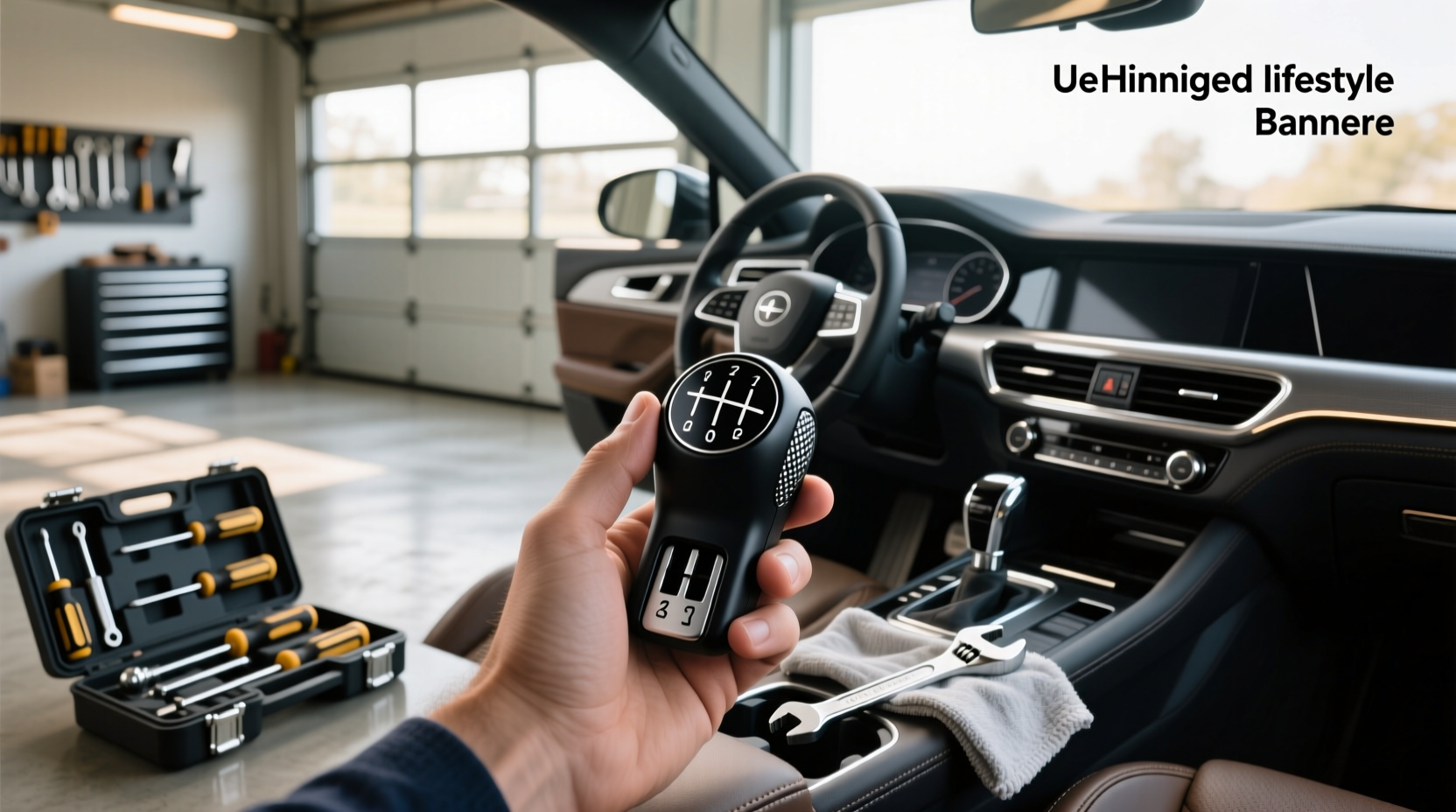
If you're looking for a simple yet impactful way to refresh your car's interior, gear shift knob replacement is one of the most accessible upgrades you can make. Whether you’re upgrading for better ergonomics, improved grip, or just a personalized aesthetic, swapping out your factory shifter knob is a straightforward DIY task that typically takes under an hour with basic tools. This comprehensive guide walks you through everything you need to know—from identifying compatible knobs and removing your existing unit, to choosing materials like aluminum, leather, or carbon fiber based on driving style and vehicle type.
Why Replace Your Gear Shift Knob?
Many drivers overlook the gear shift knob as just another factory component, but it plays a key role in both function and feel. Over time, original equipment manufacturer (OEM) knobs can wear down, crack, or become slippery, especially if they’re made from low-grade plastic or rubber-coated materials. A replacement gear shift knob offers several benefits:
- Improved tactile feedback: Aftermarket knobs often use higher-quality materials that enhance control during gear changes.
- Better ergonomics: Some designs are contoured to fit the hand more naturally, reducing fatigue during long drives.
- Customization: You can choose colors, textures, weights, and even engraved patterns to match your personal style or interior theme.
- Weighted performance: Certain manual transmission vehicles benefit from a weighted knob, which can smooth out shifts and reduce missed gears.
Additionally, replacing a worn or damaged knob can restore confidence in daily driving, particularly for older vehicles where interior components have degraded over time.
Types of Gear Shift Knobs
Not all shift knobs are created equal. Understanding the different types available helps ensure you select one that fits your vehicle and driving preferences.
1. OEM vs. Aftermarket
OEM knobs are designed specifically by the car manufacturer and usually offer reliable fitment and durability. However, they tend to be conservative in design and lack customization options. Aftermarket gear shift knobs, on the other hand, come in a wide range of styles, materials, and finishes—offering greater flexibility for personalization.
2. Material Options
The material affects both appearance and functionality:
- Aluminum/Billet Metal: Durable, sleek, and often machined from solid blocks. Popular among performance enthusiasts due to their precision feel and longevity ✅.
- Leather-Wrapped: Offers a premium touch and improved grip, ideal for luxury or classic interiors 🧼.
- Carbon Fiber: Lightweight and visually striking, commonly used in sporty or modern builds ⚡.
- Wood: Classic look, often found in vintage or European models; requires care to prevent cracking 🌍.
- Plastic/Resin: Budget-friendly but less durable; may yellow or degrade over time ❗.
3. Weighted vs. Non-Weighted
Weighted shift knobs add mass to the top of the shifter mechanism, which can help dampen vibrations and provide smoother, more deliberate gear engagement—especially beneficial in high-revving manual transmissions. However, too much weight can make shifting sluggish, so balance is important ⚙️.
4. Universal vs. Vehicle-Specific
Universal knobs are designed to fit multiple vehicles using adapters or threading kits, while vehicle-specific models are engineered for exact compatibility with certain makes and models. While universal options offer cost savings and variety, they require careful measurement to avoid installation issues 📏.
Compatibility: Will It Fit Your Car?
One of the biggest challenges when considering a gear shift knob replacement is ensuring compatibility. Unlike many interior accessories, shift knobs must interface precisely with the shift lever’s threading, diameter, and attachment method.
Key Compatibility Factors
- Thread Size and Pitch: Most shifters use metric threads (e.g., M8x1.25), but American-made vehicles may use imperial standards (e.g., 1/2-20 UNF). Measuring your current knob’s stem or consulting your vehicle’s service manual is essential 🔍.
- Attachment Method: Common methods include threaded posts, set screws, push-on fittings, or bolt-on plates. Manual transmissions typically use threaded connections, while automatics may have button-release mechanisms.
- Shift Boot Clearance: Aftermarket knobs vary in size and shape. Ensure the new knob won’t rub against or stretch the shift boot, which could lead to premature wear.
- Transmission Type: Manual and automatic shifters differ significantly in design. Automatic shift knobs often integrate a release button for moving between gears like Park and Drive, so replacements must preserve this function.
Vehicle Fitment Examples
| Vehicle Make/Model | Common Thread Standard | Knob Type | Special Considerations |
|---|---|---|---|
| Honda Civic (Manual) | M10x1.25 | Threaded metal | Check for reverse lockout clearance |
| Ford Mustang (Automatic) | Push-on with button | Button-release style | Must retain PRNDL function |
| Subaru WRX (Manual) | M8x1.25 | Weighted aluminum | Popular for short-shift kits |
| BMW 3 Series | M8x1.0 fine thread | European metric | Precise pitch required |
| Volkswagen Golf (Manual) | M8x1.25 | Universal fit | Use adapter if stem differs |
Always verify fitment before purchasing. Reputable suppliers often list compatible vehicles, but double-checking with your owner’s manual or a dealership parts department adds certainty 📋.
Tools and Materials Needed
Replacing a gear shift knob doesn’t require advanced mechanical skills, but having the right tools ensures a clean, damage-free process.
- Wrench or socket set (if retaining nut is present) 🔧
- Allen keys or hex wrench (for set-screw models)
- Tape measure or caliper (to measure thread dimensions)
- Thread locker (optional, for threaded installations)
- Gloves (to protect hands and finish)
- New shift knob and any required adapter rings
Step-by-Step Installation Guide
Follow these steps carefully to complete your gear shift knob replacement without complications.
Step 1: Identify Attachment Type
Examine the base of your current knob. Look for visible screws, threaded posts, or release buttons. If there’s a small Allen screw on the side, it’s likely held by a set screw. If you see a nut underneath, it’s probably threaded directly onto the shifter rod.
Step 2: Remove the Old Knob
For Set-Screw Models: Use an Allen key to loosen the side screw. Once loose, twist the knob counterclockwise and pull it off.
For Threaded Models: Place a cloth over the shift boot to protect it, then use a wrench to unscrew the retaining nut (if present). Unscrew the knob by hand or with a strap wrench to avoid scratching.
For Automatic Button-Release Knobs: Press the gear release button and lift upward while gently wiggling. These often snap onto a splined shaft and don’t require tools.
Step 3: Prepare the Shifter Stem
Clean the exposed shifter post with a lint-free cloth. Inspect for corrosion or stripped threads. If threads are damaged, consider using a thread repair kit or consult a mechanic.
Step 4: Install the New Knob
Threaded Knobs: Screw the new knob onto the shifter post by hand first, then tighten securely with a wrench if needed. Apply a small amount of thread locker to prevent loosening over time.
Set-Screw Knobs: Slide the knob onto the post, align it properly, then tighten the side screw firmly without over-torquing.
Push-On/Automatic: Align the internal spline pattern and press down evenly until fully seated. Test movement and ensure the release button functions correctly.
Step 5: Final Check
Move the shifter through all gears to confirm smooth operation. Ensure the knob doesn’t rotate freely or feel loose. Verify that the shift indicator (PRNDL for automatics) lines up correctly.
Common Mistakes to Avoid
Even experienced DIYers can run into issues during a gear shift knob replacement. Here are frequent pitfalls and how to avoid them:
- Ignoring thread specifications: Using a mismatched thread can strip the shifter post or cause wobbling. Always measure or confirm specs beforehand 📊.
- Over-tightening: Excessive force can damage plastic components or deform metal threads. Hand-tight plus a quarter-turn with a tool is usually sufficient ⚠️.
- Choosing oversized designs: Large or oddly shaped knobs may interfere with cup holders, center consoles, or seat positioning—test clearance before final installation.
- Disabling safety features: In automatics, improper installation might block the shift interlock system, preventing the car from being shifted out of Park.
- Skipping the test drive: Always test shifting behavior in a safe area before regular use.
Customization and Personalization Trends
Modern aftermarket culture embraces individuality, and the gear shift knob replacement market reflects that. From laser-engraved logos to multi-color LED-lit units, customization options continue to expand.
- Engraved Text or Logos: Many companies offer custom engraving services, allowing you to add initials, racing numbers, or brand emblems ✨.
- Interchangeable Inserts: Some knobs feature removable caps or plates for easy design swaps.
- Themed Designs: JDM-inspired, anime-themed, or motorsport-style knobs appeal to niche communities.
- Sustainable Materials: Bamboo, recycled metals, and vegan leather are gaining traction among eco-conscious buyers 🌱.
When selecting a custom knob, prioritize structural integrity over visual flair—ensure mounting hardware remains robust regardless of design complexity.
Cost Considerations and Value
Prices for replacement gear shift knobs vary widely:
- Budget ($10–$25): Basic universal models made from plastic or low-grade metal. Suitable for temporary fixes or casual upgrades 🛒.
- Mid-Range ($25–$60): Better materials like billet aluminum, real leather, or carbon fiber. Often vehicle-specific with reliable fitment.
- Premium ($60+): Handcrafted, limited-edition, or custom-engraved units. May include special packaging or certification of origin.
While higher cost often correlates with better quality, always evaluate construction, reviews, and return policies before buying—especially from third-party sellers.
Regional Differences and Regulations
In some countries, modifications to vehicle controls may fall under regulatory scrutiny. For example:
- In the EU, any modification affecting driver controls must not compromise safety systems or obstruct airbag deployment zones.
- In Australia, modified interiors may impact roadworthiness inspections depending on state regulations.
- In the U.S., federal law doesn’t restrict interior changes unless they affect emissions or safety-critical components.
Always check local laws if you plan to modify a leased vehicle or participate in official inspections. When in doubt, consult your vehicle manufacturer or a certified technician.
Maintenance Tips After Installation
To extend the life of your new gear shift knob replacement, follow these maintenance practices:
- Clean regularly with a mild automotive interior cleaner and microfiber cloth.
- Avoid harsh chemicals or abrasive pads that can scratch surfaces.
- Inspect the attachment point every few months, especially if you drive aggressively.
- Tighten set screws or threaded bases if you notice play or noise during shifting.
When Not to Replace the Knob Yourself
While most replacements are simple, there are scenarios where professional help is recommended:
- If the shifter mechanism feels loose or damaged beneath the knob.
- When dealing with complex electronic shifters (e.g., BMW iDrive, Mercedes COMMAND).
- If the vehicle has a console-mounted emergency override or ignition-linked shift lock.
- For leased vehicles where modifications could violate terms.
Conclusion
Replacing a gear shift knob is a low-risk, high-reward upgrade that enhances both comfort and aesthetics. By understanding compatibility requirements, choosing appropriate materials, and following proper installation procedures, you can successfully complete a gear shift knob replacement at home. Focus on fitment accuracy, functional integrity, and long-term durability rather than just visual appeal. With the right approach, your upgraded shifter will deliver satisfaction every time you drive.
Frequently Asked Questions
- Can I replace a gear shift knob on an automatic transmission?
- Yes, but ensure the replacement includes a functioning release button mechanism and matches the spline or attachment style of your shifter.
- Do weighted shift knobs improve performance?
- They can smooth out gear changes in manual transmissions by adding inertia, but excessive weight may slow shifts. Optimal weight depends on engine characteristics and driving style.
- Are universal shift knobs reliable?
- Many are well-made, but fitment varies. Always verify thread size and attachment type before purchase to avoid compatibility issues.
- How do I remove a stuck gear shift knob?
- Apply penetrating oil around the base and let it sit. Gently twist back and forth while pulling upward. Avoid using excessive force to prevent damaging the shifter assembly.
- Will changing the shift knob void my warranty?
- Generally no, as long as the modification doesn’t cause damage to covered components. However, dealers may deny claims if a failure is linked to the aftermarket part.





 浙公网安备
33010002000092号
浙公网安备
33010002000092号 浙B2-20120091-4