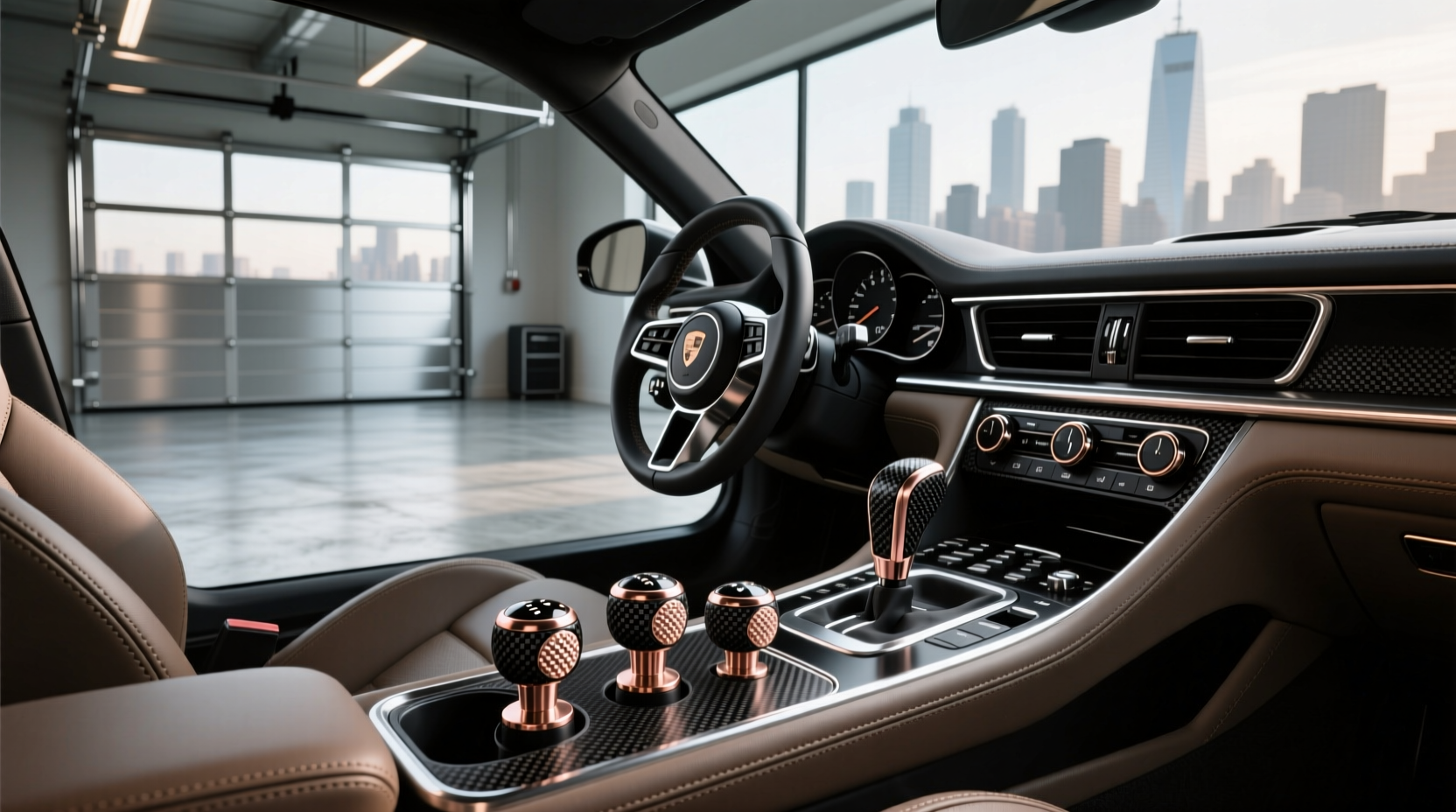
Upgrading your gear shift knob is one of the most accessible and cost-effective ways to personalize your car’s interior while potentially improving shifting comfort and control. Whether you're driving a classic Mustang, a modern truck, or a daily commuter, replacing the factory shifter knob with an aftermarket model can enhance both aesthetics and ergonomics. But with so many styles—like cobra head designs, illuminated options, leather-wrapped finishes, and universal fit models—it's essential to understand thread sizes, materials, compatibility, and installation requirements before making a purchase.
Why Upgrade Your Gear Shift Knob?
Many drivers overlook the shift knob until they notice discomfort during gear changes or desire a more customized cockpit appearance. The original equipment manufacturer (OEM) knob may be made from basic plastic or rubber, offering minimal grip and little visual appeal. Aftermarket car gear stick shift knobs provide alternatives in texture, weight, height, and design that can improve tactile feedback and make shifting smoother and more precise.
For performance enthusiasts, a well-designed knob can reduce hand slippage and offer better leverage during quick shifts. For collectors and restorers, especially those working on Ford Mustangs from the late '70s through the early 2000s, reproductions of iconic OEM-style knobs—such as the Mustang Cobra 5-speed shift knob (79–04)—are highly sought after1.
Types of Gear Shift Knobs
Not all shift knobs are created equal. Understanding the different types helps narrow down choices based on function, style, and vehicle compatibility.
manual vs. Automatic Transmission Knobs
While most customization focuses on manual transmissions, automatic vehicles also allow for upgrades. Manual shift knobs typically require more attention to thread pitch and stem length due to mechanical linkage, whereas automatic knobs often use standardized threads but vary by make and model.
Material Choices: Pros and Cons
The material affects durability, feel, temperature resistance, and maintenance needs.
- ABS Plastic: Lightweight and affordable, commonly used in budget-friendly universal kits. Durable under normal use but may crack over time or under impact ⚙️.
- Aluminum/Metal Alloys: Offer a premium weight and cool-to-the-touch sensation. Resistant to wear but can feel cold in winter ❄️.
- Leather-Wrapped: Provides excellent grip and a luxurious interior upgrade. Requires occasional conditioning to prevent drying or cracking 🧼.
- Resin & Cast Metal (e.g., Cobra Head): Popular for themed designs like Shelby or GT500 replicas. Often hand-finished, making them collectible 👥.
- Wood: Classic look, usually found in vintage or luxury builds. Sensitive to humidity and UV exposure 🌍.
Design Trends: From Functional to Novelty
Shift knobs range from minimalist spheres to elaborate sculptures. Some popular themes include:
- Cobra Snake Head: Especially common among Mustang owners seeking authenticity or aggressive styling ✨.
- Illuminated Knobs: Feature LED eyes or base lighting, ideal for night driving visibility ⚡.
- Military/Gun-Style: Machined metal knobs resembling firearm triggers or bolt handles; popular in off-road and tactical-themed builds 🔫.
- Sports/Logo Emblems: Incorporate team logos, brand badges, or racing emblems for personalization 🏁.
| Material | Pros | Cons | Best For |
|---|---|---|---|
| ABS Plastic | Affordable, lightweight, easy to install | Less durable, prone to fading | Budget upgrades, temporary use |
| Aluminum | Durable, sleek finish, good weight | Can feel cold, higher cost | Performance cars, daily drivers |
| Leather | Comfortable grip, upscale look | Requires care, sensitive to moisture | Luxury interiors, show vehicles |
| Resin/Cast | Detailed designs, collector value | Fragile if dropped, heavier | Restoration projects, themed builds |
| Wood | Classic aesthetic, warm feel | Not weather-resistant, high maintenance | Vintage restomods, custom cabins |
Thread Size and Compatibility: What You Need to Know
One of the most overlooked yet critical factors when buying a replacement gear shift knob is thread compatibility. Installing a knob with the wrong thread will either not attach securely or damage the shifter stem.
Common thread standards include:
- 12mm x 1.25 mm: Common in European vehicles (e.g., BMW, Audi).
- 12mm x 1.5 mm: Found in some Asian imports and older American models.
- 16mm x 1.5 mm: Frequently used in GM and Chrysler products.
- 5/16"-24 UNF: Standard in many Ford vehicles, including classic Mustangs.
- 1/2"-20 UNC: Used in trucks and heavy-duty applications.
Some aftermarket kits come with adapters to fit multiple thread types. Always verify your current knob’s thread before ordering a replacement. You can measure it using a thread gauge or compare it against known specs from your vehicle’s service manual.
Universal Fit vs. Direct Replacement
Universal-fit knobs claim compatibility across makes and models but often require additional hardware or modification. Direct replacements, such as the SVE Mustang Cobra Style 5-Speed Shift Knob (79–98), are engineered to match OEM dimensions and threading precisely, ensuring a plug-and-play experience without guesswork 📍.
Installation Process: Step-by-Step
Replacing a shift knob is generally straightforward, but procedures differ slightly between manual and automatic transmissions.
Manual Transmission Installation
- Park the car on level ground and engage the parking brake.
- Locate the retaining mechanism: some knobs unscrew directly, while others have a set screw underneath.
- Use a hex key or wrench to loosen the set screw, then twist the old knob counterclockwise to remove it.
- Clean the exposed shifter stem to ensure smooth installation.
- Screw the new knob clockwise onto the stem until snug. Avoid overtightening, which could strip the threads.
- If equipped with a boot clip or trim ring, reinstall it securely.
Automatic Transmission Installation
Some automatic shifters use a push-on design secured with a pin or snap ring rather than threading. In these cases:
- Shift into neutral or second gear to expose the release pin.
- Insert a small tool (like a paperclip) into the access hole to depress the spring-loaded pin.
- Gently pull upward to detach the knob.
- Attach the new knob by aligning it properly and pressing down firmly until it clicks.
Always consult your owner’s manual or repair guide for model-specific instructions.
Performance Benefits and Ergonomic Considerations
A well-chosen manual gear stick shift knob isn’t just about looks—it can influence driving dynamics. Key ergonomic factors include:
- Height: Taller knobs increase leverage, reducing effort needed for shifting but may interfere with cabin space.
- Diameter: Larger diameters offer better grip, especially with gloves; smaller ones suit tight cabins.
- Weight: Heavier knobs can dampen vibrations and stabilize movement, but excessive mass might affect shift speed.
- Texture: Knurling, grooves, or soft-touch coatings improve grip in wet or sweaty conditions.
Racers and track-day drivers often prefer shorter, weighted aluminum knobs for precision, while daily drivers may opt for taller, cushioned options for comfort.
Legal and Safety Considerations
While upgrading a shift knob is generally safe, certain modifications could pose risks:
- Loose Installation: A poorly attached knob can detach during operation, leading to loss of gear selection control ❗.
- Excessive Protrusion: Overly tall or wide knobs may obstruct adjacent controls or airbags.
- LED Wiring: Illuminated models must be wired safely to avoid short circuits or battery drain.
Ensure any electrical components comply with local regulations and do not interfere with factory safety systems.
Where to Buy Gear Shift Knobs
Options include online marketplaces, specialty auto parts retailers, and restoration suppliers. When shopping, consider:
- Reputation: Look for sellers with verified reviews and return policies.
- Return Windows: At least 30 days allows time to test fit and function.
- Shipping Costs: Some vendors offer free shipping on orders over $99 🚚.
- Support for Vintage Models: Companies specializing in classic Fords or muscle cars often carry authentic reproductions.
Avoid third-party platforms that lack customer support or detailed product specifications.
Cost Range and Value Assessment
Prices vary widely depending on material, craftsmanship, and branding:
- Under $25: Basic ABS plastic or resin universal knobs. Suitable for temporary use or low-budget projects 💰.
- $25–$50: Mid-tier options including metal-bodied or leather-wrapped designs with better build quality.
- $50–$80: Premium replicas, such as licensed Mustang Cobra models or CNC-machined billet aluminum units.
- Over $80: High-end collectibles, illuminated kits, or complete shifter assemblies with OEM-style levers.
Consider longevity and usage when evaluating value. A $40 knob that lasts five years offers better ROI than a $20 unit needing annual replacement.
Common Myths and Misconceptions
Several myths persist around shift knob upgrades:
- Myth: Bigger knobs always improve shifting accuracy.
Reality: Oversized knobs can hinder quick throws and cause fatigue over long drives. - Myth: All universal knobs fit most cars.
Reality: Thread mismatch remains a frequent issue—even with adapter rings. - Myth: Weighted knobs increase performance.
Reality: While they can smooth motion, they don't inherently make shifts faster or safer.
Maintenance Tips for Longevity
To extend the life of your car LED gear stick shift knob or any other type:
- Clean regularly with mild soap and water; avoid harsh solvents.
- Inspect the attachment monthly for looseness.
- For leather wraps, condition every 3–6 months.
- Check wiring connections on illuminated models periodically.
Customization and Personal Expression
Many buyers choose unique novelty gear shift knobs to reflect personality or fandom. From fighter jet throttles ✈️ to Marvel superhero emblems, these serve primarily as conversation starters. However, prioritize safety and usability—avoid overly large or sharp-edged designs that compromise comfort or safety.
Conclusion: Making the Right Choice
Selecting the right gear shift knob involves balancing aesthetics, functionality, compatibility, and budget. Start by identifying your vehicle’s transmission type and thread specification. Then decide whether you want a direct OEM-style replacement or a themed upgrade like a cobra head gear shift knob. Prioritize secure installation and ergonomic fit over flashy visuals alone. With proper research and attention to detail, this simple mod can significantly enhance your driving experience.
Frequently Asked Questions
- Can I install a gear shift knob myself?
- Yes, most manual and automatic shift knobs can be installed at home with basic tools in under 10 minutes. Just ensure correct thread matching and secure fastening.
- Are illuminated shift knobs worth it?
- They add visual flair and nighttime visibility but require wiring. Best suited for custom builds or show cars where aesthetics matter most.
- Do shift knobs affect shifting performance?
- Indirectly. Better grip and optimized weight/height can make shifts smoother and more controlled, but won’t change transmission behavior.
- How do I know which thread size fits my car?
- Check your owner’s manual, measure the existing knob’s stem with a caliper and thread gauge, or consult a trusted auto parts database.
- Are cobra head shift knobs only for Mustangs?
- No, while popular among Mustang enthusiasts, they’re available in universal versions that fit various vehicles via adapter kits.




 浙公网安备
33010002000092号
浙公网安备
33010002000092号 浙B2-20120091-4