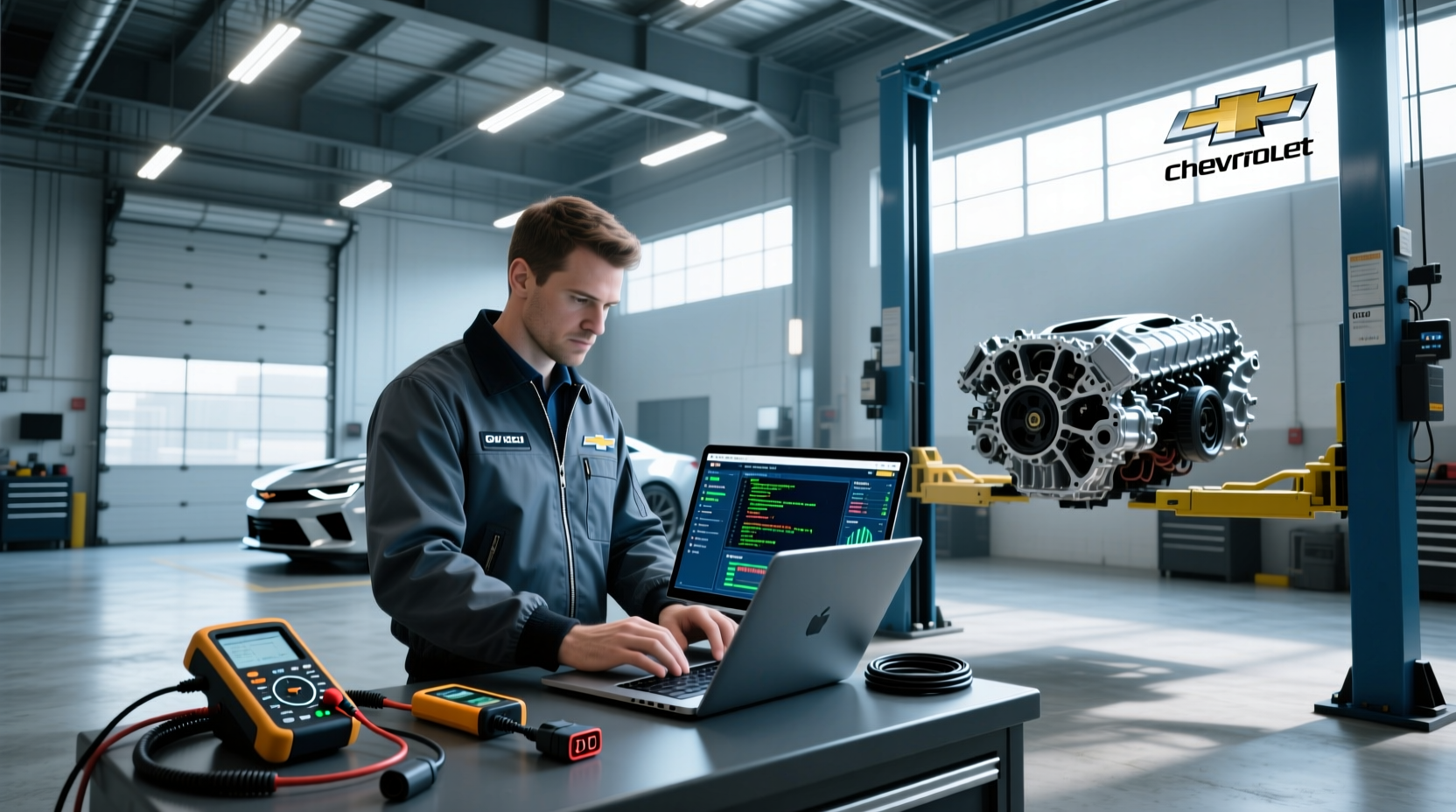
If you're searching for reliable GM ECU programming software to reprogram, replace, or recalibrate your vehicle’s engine control module (ECM), you’re not alone. Many DIY mechanics and independent shops seek access to genuine GM Service Programming System (SPS) capabilities without relying on dealership-only portals. The reality is that successful GM ECU programming requires the right combination of J2534-compliant hardware, updated calibration files, and a clear understanding of whether you're updating an existing ECU or installing a replacement unit. This guide breaks down everything you need to know—from compatible tools and software options to step-by-step workflows and common pitfalls—so you can perform accurate, safe, and lasting ECU programming on Chevrolet, GMC, Buick, Cadillac, and Holden vehicles.
What Is GM ECU Programming Software?
GM ECU programming software refers to any application or system used to write firmware, calibration data, or VIN-specific settings into a General Motors engine control unit (ECU), also known as the powertrain control module (PCM) or engine control module (ECM). These updates are essential after replacing an ECU, modifying vehicle components, or restoring factory functionality following electrical repairs.
The official method used by dealerships is the GM Service Programming System (SPS), which runs through diagnostic platforms like Tech2, MDI (Multifunction Diagnostic Interface), or GDS2 (Global Diagnostic System 2) paired with TIS2Web or ACDelco TDS (Technical Delivery System)1. However, third-party solutions such as HP Tuners, PCM Hammer, OBDSync, and open-source communities like PCMhacking.net offer alternatives for non-dealership users.
Why Do You Need to Reprogram a GM ECU?
There are several real-world scenarios where ECU reprogramming becomes necessary:
- Replacing a failed or damaged ECU: A new or used replacement must be programmed with the correct calibration and matched to the vehicle’s VIN.
- Swapping engines or transmissions: After an LS swap or transmission upgrade, the ECU may require repinning or reflashing to support new sensors or gear ratios.
- Updating calibration for performance or emissions compliance: Manufacturers issue Technical Service Bulletins (TSBs) that fix driveability issues via software updates.
- Disabling security features like VATS or PassLock: Some tuners remove anti-theft lockouts that prevent starting after battery disconnects or ECU swaps.
- Calibrating new sensors or modules: After installing aftermarket parts, certain parameters may need adjustment in the ECU map.
Without proper programming, even a physically identical ECU will not function correctly—or at all—in your vehicle.
Official vs. Third-Party GM ECU Programming Tools
Understanding the difference between OEM-approved systems and aftermarket tools is crucial when choosing how to proceed.
🏭 Official GM SPS Programming Process
The Service Programming System (SPS) is GM’s standardized process for flashing ECUs across its global fleet. It relies on:
- J2534 pass-thru programming devices (e.g., MDI, VXDIAG, DrewTech MongoosePro)
- Access to TIS2Web or ACDelco TDS portal
- Stable internet connection and valid credentials
- Vehicle-specific calibration files hosted on GM servers
Steps involved in official SPS programming include:
- Connect J2534 device to OBD-II port and PC
- Launch SPS via TIS2Web interface
- Select vehicle by VIN
- Choose operation: “Reprogram ECU” (existing unit) or “Replace and Program ECU” (new unit)
- Download latest calibration and flash module
- Verify success and clear any DTCs
This method ensures full compatibility and retains warranty eligibility but requires subscription access and technical know-how.
🔧 Aftermarket & Community-Based Solutions
For those outside the dealership network, several alternative approaches exist:
| Solution | Best For | Pros | Cons |
|---|---|---|---|
| HP Tuners (VCM Editor) | Tuning, disabling theft systems, custom maps | Wide GM support, user-friendly UI, strong community | Paid license required; limited to supported models |
| OBDSync | Holden/GM AU-AV series, ECU replacements | Plug-and-play, no laptop needed for some units | Niche model focus; higher cost per device |
| PCMHacking.net (free tools) | Hobbyists, learning ALDL protocols | Free access, educational resources available | Requires deep technical skill; risk of bricking |
| ACDelco TDS | Aftermarket repair shops | OEM-level diagnostics and programming | Subscription fee; account approval needed |
No single solution fits all cases. Your choice depends on vehicle year, intended use, budget, and comfort level with low-level diagnostics.
Can You Reprogram a GM ECU Yourself? ✅
Yes, it's technically possible—but with important caveats.
✅ You can reprogram a GM ECU yourself if:
- You own or rent a J2534-compliant programming tool
- You have stable internet access and understand the SPS workflow
- Your vehicle falls within supported years (typically 1996–present OBD-II models)
- You’re only performing authorized calibrations (not bypassing emissions controls)
❗ Risks include:
- Bricking the ECU: Interrupting a flash process can render the module unusable.
- VIN mismatch errors: Installing an unprogrammed ECU leads to no-start conditions.
- Security lockouts: Incorrect handling of PassLock or immobilizer systems triggers permanent locks.
- Voiding warranties: Unauthorized modifications may disqualify coverage.
Before attempting DIY programming, ask: Is this a simple calibration update or a full ECU replacement? The former is safer than the latter.
ECU Coding vs. ECU Programming: What’s the Difference? 🔍
These terms are often used interchangeably, but they refer to different processes:
- ECU Programming: Involves writing the entire operating firmware or calibration file to the ECU. This is what happens during a “relearn” or “flash” procedure using SPS. It changes how the engine manages fuel, spark, transmission shifts, etc.
- ECU Coding: Refers to enabling or disabling specific functions within an already-programmed ECU. For example, coding might activate daytime running lights or change shift points without altering base calibration.
In GM terminology, “programming” usually means full calibration flashing, while “configuration” aligns more closely with coding. Confusion arises because both affect behavior—but only programming alters core engine logic.
Which GM Vehicles Support Vehicle-Wide Programming? 🌐
Modern GM vehicles (model year 2004 and newer) support vehicle-wide programming, meaning multiple control modules (ECM, TCM, BCM, IPC, etc.) can be updated simultaneously via the OBD-II port using SPS.
Vehicles that accept wide-scale reprogramming include:
- Chevrolet Silverado, Tahoe, Suburban (2007+)
- GMC Sierra, Yukon (2007+)
- Cadillac CTS, SRX, Escalade (2008+)
- Buick LaCrosse, Enclave (2008+)
- Holden Commodore (VE-VF series)
- Opel/Vauxhall models with GM Ecotec engines
- Swapping between two identical vehicles with same options and calibration
- Using a pre-programmed “core exchange” unit from a reputable rebuilder
- Pre-1996 OBD-I systems with minimal security (rare and unreliable)
- Prepare Equipment: Ensure your J2534 pass-thru tool is connected to both the vehicle’s OBD-II port and a Windows PC with internet access.
- Launch SPS Platform: Open TIS2Web or ACDelco TDS and log in with valid credentials.
- Enter VIN: Input the 17-digit vehicle identification number to pull up model-specific details.
- Select Operation Mode:
- Choose “Reprogram ECU” if keeping the original module.
- Select “Replace and Program ECU” if installing a blank or used unit.
- Identify Affected Modules: SPS will detect connected modules. Confirm the PCM/ECM is listed.
- Download Calibration Files: Allow the system to retrieve the latest approved firmware version from GM’s servers.
- Begin Flash Process: Initiate programming. Do NOT turn off ignition or disconnect cables during this phase (can take 10–30 minutes).
- Verify Completion: Once done, SPS will confirm success. Clear any stored DTCs and test drive.
- Using outdated calibration files: Always verify you’re flashing the most recent version listed in GM bulletins.
- Incorrect operation selection: Choosing “Reprogram” instead of “Replace” (or vice versa) causes mismatches.
- Ignoring pre-flash checks: Check battery health, ground connections, and fuse integrity before starting.
- Assuming all J2534 tools are equal: Cheap clones may fail mid-flash due to poor firmware or driver issues.
- Skipping post-flash diagnostics: Run a full system scan to ensure no communication errors remain.
- Dealerships: Use TIS2Web with active GM subscriptions.
- Independent Repair Shops: Enroll in ACDelco TDS program for OEM-level access1.
- Diy Enthusiasts: Use HP Tuners (with purchased license) or explore free tools via PCMhacking.net forums.
- Used ECU Sellers: Services like PCM of NC offer pre-programmed units calibrated to your VIN.
- Vehicle age and model (older = fewer third-party options)
- Frequency of use (one-time job vs. recurring service)
- Need for VIN-specific calibration vs. general tuning
- Budget for hardware, software, and potential training
- Can I reprogram my GM ECU at home?
- Yes, if you have a J2534-compliant tool, stable internet, and access to GM SPS via TIS2Web or ACDelco TDS. Alternatively, HP Tuners offers a viable path for supported vehicles with proper licensing.
- What’s the difference between ECU coding and programming?
- Programming writes the core firmware/calibration to the ECU (e.g., SPS flash). Coding configures settings within an already-programmed ECU (e.g., enabling features). On GM vehicles, programming is required for ECU swaps; coding adjusts behaviors.
- Which GM vehicles support J2534 reprogramming?
- Virtually all GM vehicles from 2004 onward support J2534-based reprogramming via OBD-II. This includes Chevrolet, GMC, Cadillac, Buick, and Holden models equipped with OBD-II and Class 2 or CAN communication protocols.
- Do I need to program a used ECU before installation?
- Yes. A used ECU must be cleared, reprogrammed with the correct calibration, and matched to your VIN and security system. Failure to do so will result in a no-start condition due to PassLock or immobilizer mismatch.
- Is there free GM ECU programming software available?
- There is no official free software. However, community-driven projects like PCMhacking.net provide free tools and knowledge for learning and limited use. These require technical expertise and carry risks if misused.
Older models (pre-2004) typically require module-by-module programming using older scan tools like Tech1A or stand-alone bench flashing.
Can You Swap a GM ECU Without Programming? ❌
No—swapping a GM ECU without programming almost always results in a no-start condition.
Modern GM ECUs are tied to the vehicle’s VIN and security system (PassLock, PK3, or immobilizer). Even if the pinout matches, the ECU won’t allow fuel or spark until it’s been properly programmed and authenticated.
Exceptions exist only in very rare cases:
Always assume programming is required unless confirmed otherwise by technical documentation.
Step-by-Step: How to Flash a GM ECU Using SPS ⚙️
Follow these steps carefully when using GM SPS or compatible software:
📌 Tip: Keep a backup battery connected to maintain voltage stability during flashing—low voltage is a leading cause of failed flashes.
Common Mistakes to Avoid When Using GM ECU Programming Software ⚠️
Even experienced technicians make errors. Here are frequent missteps:
Where to Get GM ECU Programming Software Legally 📎
Access depends on your role:
Note: There is no completely free, legal way to access official GM SPS calibrations without authorization. Beware of pirated software—it poses cybersecurity risks and may damage hardware.
Final Thoughts: Making the Right Choice for Your Needs 🧰
Choosing the right GM ECU programming software isn't just about finding a download link—it's about matching the tool to your actual needs. If you're doing occasional maintenance, consider outsourcing ECU flashing to a shop with TDS access. For frequent tuning or restoration work, investing in HP Tuners or certified J2534 hardware makes sense.
Key decision factors:
Always prioritize reliability over convenience. A failed flash can cost hundreds in recovery efforts.





 浙公网安备
33010002000092号
浙公网安备
33010002000092号 浙B2-20120091-4