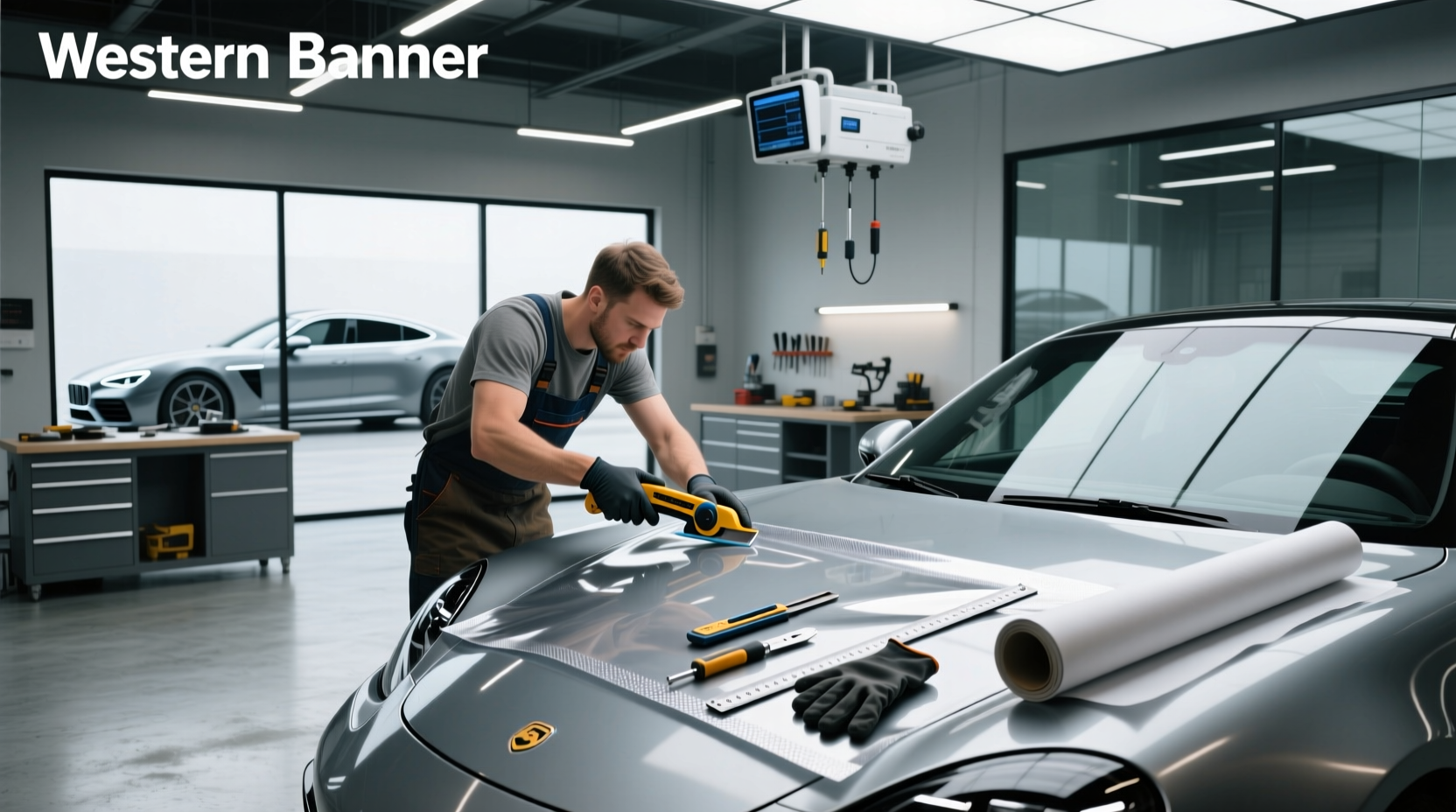
When installing paint protection film (PPF), precision cutting tools and accurate testing equipment are essential to ensure clean edges, proper fit, and long-term performance. While the term ppf cutter commonly refers to specialized blades or knives used during application, many users searching for this keyword are also interested in related diagnostic tools—such as scratch resistance testers, thickness gauges, and self-healing evaluation kits—that help assess PPF quality before and after installation. Understanding both cutting and testing aspects allows detailers, installers, and car owners to make informed decisions about materials and methods.
What Does 'PPF Cutter' Actually Mean?
The phrase ppf cutter can be ambiguous in online searches. It may refer to:
- Manual cutting tools like scalpels, Teflon squeegees with replaceable blades, or contour cutters used during PPF installation
- Mechanical cutting machines, such as plotter cutters that pre-cut digital templates
- Testing devices mistakenly labeled as cutters—like scratch testers or puncture testers designed to simulate real-world damage
This confusion stems from inconsistent product naming across e-commerce platforms. For clarity, we’ll define each category, explain its role, and highlight key considerations when selecting tools for professional or DIY use.
Types of PPF Cutting Tools Used in Installation
Cutting is one of the final and most critical steps in PPF application. Poor cuts lead to lifting edges, trapped moisture, or visible seams. The right tool depends on technique, vehicle complexity, and installer experience.
1. Manual Blades and Squeegees (🔧)
These are handheld tools used for trimming excess film after wet application.
- Single-edge blades: Ideal for straight lines and tight corners. Made from stainless steel or ceramic, they offer high control but require frequent replacement.
- Teflon-edged squeegees with integrated blades: Combine smoothing and cutting functions. The non-abrasive edge prevents scratching while allowing precise trimming along panel lines.
- Swivel-head cutters: Feature rotating tips that maintain optimal angle during curves, reducing hand fatigue and improving consistency.
✅ Best for: On-vehicle trimming, especially around mirrors, door handles, and complex contours.
❗ Limitations: Requires skill; improper pressure can gouge paint or leave jagged edges.
2. Plotter Cutters / CNC Cutting Machines (⚙️)
Digital pattern-based systems that automatically cut PPF sheets using vector files from brand-specific software (e.g., XPEL ULTIMATE, SunTek ProCut).
- Uses a small blade mounted on an XY-axis arm to follow digital templates
- Eliminates manual tracing and reduces human error
- Requires compatible design library and calibrated machine
✅ Best for: High-volume shops aiming for consistent, ready-to-apply patterns.
📌 Note: These machines don’t “install” the film—they only pre-cut it based on scanned vehicle data.
3. Heat-Assisted Cutting Tools
Some advanced tools combine heat and blade action to improve edge sealing.
- Heated blades slightly melt the urethane edge, promoting adhesion
- Reduces risk of delamination over time
- Limited availability; mostly used in premium installations
⚠️ Caution: Excessive heat can degrade adhesive or damage surrounding paint—requires training.
Why Users Confuse PPF Cutters with Testing Equipment
A significant number of search results for ppf cutter redirect to products like scratch testers, thickness meters, and hydrophobic evaluation tools. This mislabeling occurs due to:
- Generic keyword tagging by third-party sellers
- Lack of standardized terminology in automotive aftermarket listings
- Overlap in workshop tool categories (e.g., “PPF accessories”)
For example, a product titled “PPF Scratch Resistance Tester” might appear under “ppf cutter” because it includes a mechanical stylus that simulates scratches—functionally similar to a micro-cutter, though not used for installation.
Common PPF Testing Tools Mistakenly Called Cutters
To clarify the confusion, here are actual testing instruments often mislabeled as cutters:
1. PPF Scratch Resistance Tester (🔍)
Simulates everyday abrasions using weighted tips or rotating brushes.
- Evaluates how well films resist swirl marks from wiping or debris
- Measures self-healing capability after induced micro-scratches
- Used by manufacturers and quality-focused installers
🔧 How it works: A controlled force is applied via metal probe or abrasive pad; healing is observed after heat exposure (usually 60–70°C).
2. Thickness Gauges (📊)
Non-destructive tools measuring PPF mil thickness (typically 6–10 mil).
- Ensures film meets manufacturer specs
- Detects thin spots or inconsistent lamination
- Available as magnetic induction (for metal panels) or eddy current (for composites)
📏 Accuracy matters: Look for devices with ±0.1 mil precision and calibration certificates.
3. Hydrophobic Testers (💧)
Devices that demonstrate water contact angle and bead-up performance.
- Shows effectiveness of top coat repellency
- Often includes incline trays to simulate rain runoff
- Useful for customer education and post-install verification
✨ Visual proof: Helps justify premium film value by showing dirt shedding and ease of cleaning.
4. Puncture & Stone Impact Testers (🚗)
Machines that simulate gravel impact or sharp object penetration.
- Measures puncture energy in Newtons (N)
- Used in R&D labs and certification processes
- Not common in retail shops due to cost and size
🏭 Industrial use: Brands like 3M and XPEL use these to validate claims about road debris protection.
Key Differences: Cutting vs. Testing Tools
| Feature | PPF Cutting Tools | PPF Testing Equipment |
|---|---|---|
| Purpose | Trim excess film during installation | Evaluate durability, thickness, self-healing |
| Usage Stage | During or after application | Pre-installation QC or post-install validation |
| Cost Range | $5–$100 (manual), $2k+ (plotter) | $50–$300 (gauges), $200–$600 (testers) |
| Skill Level | Moderate to expert | Beginner (gauges), Expert (advanced testers) |
| Portability | High (hand tools) | Low to medium (most testers) |
| Output | Clean film edges | Quantitative performance data |
How to Choose the Right Tool for Your Needs
Selecting between cutting and testing tools depends on your role: installer, shop owner, or consumer.
For DIY Enthusiasts (🏠)
- Start with a quality Teflon squeegee and single-edge blades
- A basic coating thickness gauge (~$70) helps verify film integrity
- Avoid expensive testers unless doing comparative reviews
For Professional Installers (👥)
- Invest in a plotter cutter if handling multiple vehicles daily
- Use a digital thickness meter for client transparency
- Consider a scratch tester for marketing high-end services
For Distributors & Manufacturers (🏭)
- Require full test suites (scratch, puncture, UV aging)
- Maintain calibrated instruments for compliance reporting
- Provide demo kits to dealers showing self-healing and hydrophobic traits
Common Misconceptions About PPF Tools
Several myths persist in the market, leading to poor purchasing decisions.
❌ Myth 1: All 'PPF Cutters' Are Used for Trimming Film
Reality: Many products sold as cutters are actually testers. Always check product description and images carefully.
❌ Myth 2: Thicker PPF Always Performs Better
Reality: While thicker films (8–10 mil) resist punctures better, they can struggle with conformability on curved surfaces. Balance thickness with elastomeric properties.
❌ Myth 3: Self-Healing Is Instant and Unlimited
Reality: Healing requires heat (sunlight or warm water) and only works on superficial scratches. Deep gouges will not recover.
❌ Myth 4: Any Blade Can Be Used Safely
Reality: Metal blades must never touch bare paint. Only use plastic or Teflon-edged tools near vulnerable areas.
Practical Tips for Using PPF Cutting Tools
Even the best tools fail without proper technique.
- Keep blades sharp: Dull edges drag film and cause lifting.
- Use proper angle: 30–45 degrees for smooth glide without digging in.
- Work slowly on curves: Rushing leads to uneven edges or skipped sections.
- Double-check alignment: Verify seam placement before cutting.
- Clean surface first: Dirt particles increase friction and reduce cut accuracy.
How to Verify PPF Quality Without Expensive Tools
You don’t need lab-grade equipment to assess film quality.
- Visual inspection: Look for uniform gloss, absence of orange peel texture, and clarity.
- Fingernail test: Lightly scratch surface; genuine TPU should resist marking.
- Heat test: Apply warm water (not boiling); minor scratches should vanish within minutes.
- Water bead test: Drop water on surface; high-quality films form tight beads and sheet off easily.
- Stretch test: Small sample should stretch significantly without tearing (indicates elasticity).
Regional Variations in Tool Availability and Use
Access to specialized tools varies globally.
- North America & Europe: Widespread use of plotters and digital templates; emphasis on precision fitting.
- Asia-Pacific: More reliance on manual cutting due to lower labor costs and diverse vehicle models.
- Middle East & Africa: Growing demand for PPF due to harsh sun; focus on UV stability and thickness verification.
🌐 Tip: If local suppliers lack specific tools, consider international vendors—but verify voltage compatibility and shipping regulations.
Future Trends in PPF Application and Testing
The industry is moving toward smarter, data-driven workflows.
- AI-assisted cutting: Machine learning improves template accuracy over time.
- Integrated testing apps: Mobile-connected gauges log measurements and generate reports.
- Eco-friendly materials: Biodegradable TPUs may require new testing standards.
- Augmented reality (AR): Visual overlays guide installers during trimming.
⚡ Outlook: Expect tighter integration between cutting systems and quality verification tools in coming years.
Final Recommendations
Understanding the distinction between ppf cutter and ppf testing equipment prevents wasted purchases and ensures you get the right tool for the job.
- If you're installing film: Focus on high-quality manual cutters or invest in a plotter system.
- If evaluating film quality: Prioritize a reliable thickness gauge and consider a scratch resistance tester.
- Always verify product descriptions beyond titles—many listings misuse keywords.
- Train staff properly, regardless of tool sophistication.
Frequently Asked Questions
- Can I use a regular utility knife to cut PPF?
- No, standard metal blades are too aggressive and can damage paint. Use dedicated PPF trimming tools with controlled depth or Teflon edges.
- Do I need a PPF cutter machine for small jobs?
- Not necessarily. Manual trimming is sufficient for partial wraps or simple components like headlights. Plotter cutters shine in full-car, high-precision applications.
- What’s the difference between a PPF tester and a cutter?
- A cutter removes excess film during installation; a tester evaluates physical properties like scratch resistance, thickness, or water repellency.
- Are cheap PPF thickness gauges accurate?
- Some budget models work adequately, but look for units with calibration certification and user-replaceable batteries. Avoid no-name brands without technical specs.
- Can I test self-healing at home?
- Yes. Make a light scratch with a fingernail or key, then pour hot water (60–70°C) over the area. Most minor marks should disappear within 1–2 minutes if the film has good self-healing properties.





 浙公网安备
33010002000092号
浙公网安备
33010002000092号 浙B2-20120091-4