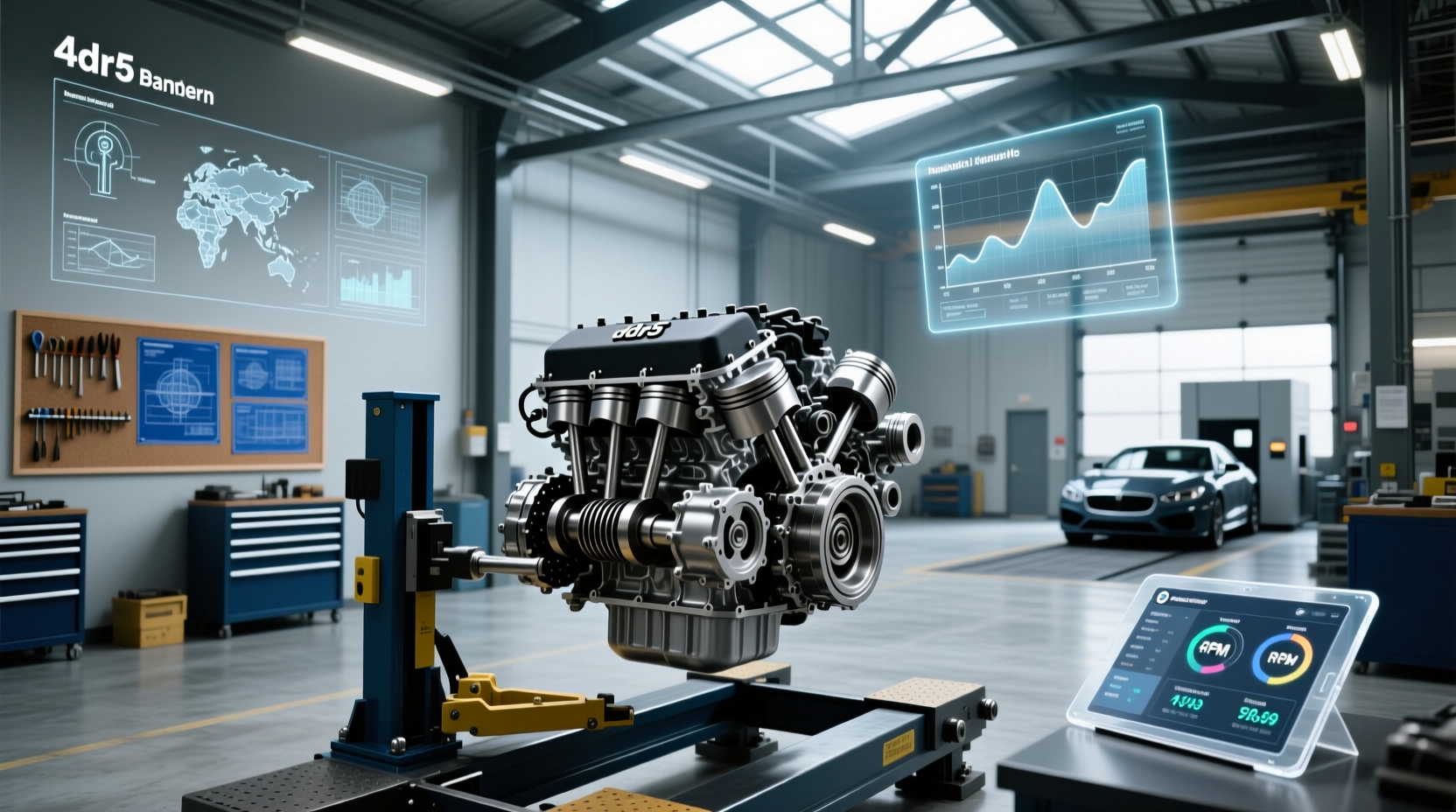
🔍 Looking for accurate 4DR5 engine specs? You're not alone. Many vehicle owners, mechanics, and importers searching for reliable diesel engines turn to the Mitsubishi 4DR5 due to its durability in commercial and off-road applications. This article delivers a comprehensive breakdown of the Mitsubishi 4DR5 diesel engine specifications, including displacement, horsepower, torque, fuel efficiency, oil requirements, common applications, known issues, and tips for evaluating used units—essential knowledge whether you’re repairing, replacing, or upgrading.
Understanding the Mitsubishi 4DR5: A Reliable Workhorse Diesel
The Mitsubishi 4DR5 is a 2.7-liter inline-four diesel engine produced primarily during the 1980s and early 1990s. It was widely used across Mitsubishi’s light-duty truck and SUV lineup, especially in models destined for rugged use in agriculture, construction, and rural transport sectors. Known for its simplicity and mechanical fuel injection system, the 4DR5 became a staple in markets where fuel quality varies and maintenance access is limited.
⚙️ Unlike modern electronically controlled diesels, the 4DR5 relies on proven mechanical components that make it easier to diagnose and repair—even in remote areas. Its robust cast-iron block and overhead valve (OHV) design contribute to long service life when properly maintained. However, because this engine is no longer in production, most available units today are either rebuilt or imported as used Japanese Domestic Market (JDM) engines.
Core 4DR5 Engine Specifications at a Glance
Beneath its utilitarian design lies solid engineering. Here's a detailed look at the key technical parameters you need to know:
| Specification | Value / Detail |
|---|---|
| Engine Model | 4DR5 |
| Configuration | Inline-4, OHV (Overhead Valve) |
| Displacement | 2,659 cc (2.7L) |
| Bore × Stroke | 93.0 mm × 98.0 mm |
| Compression Ratio | 21.5:1 |
| Aspiration | Naturally Aspirated (some turbo variants exist) |
| Max Power Output | Approx. 80–100 hp (60–75 kW) @ 3,500 rpm |
| Peak Torque | Up to 22.5 kg·m (221 Nm) @ 2,000 rpm |
| Fuel System | Mechanical Direct Injection (Mitsubishi or Zexel pump) |
| Lubrication System | Wet sump, gear-type oil pump |
| Oil Capacity | Approx. 6.5 liters (with filter change) |
| Cooling System | Water-cooled, belt-driven radiator fan |
| Fuel Type | Diesel (low sulfur recommended) |
| Weight (dry) | ~230 kg (507 lbs) |
📌 Note: Exact outputs can vary slightly depending on model year, country-specific tuning, and whether the engine is naturally aspirated or equipped with a turbocharger (e.g., 4DR5T). Always verify against VIN or engine tag data when sourcing replacements.
Common Applications of the 4DR5 Engine
The 4DR5 powered several Mitsubishi vehicles popular in Asia, Africa, Latin America, and Oceania. Some of the most notable include:
- Mitsubishi Delica L300 – Van and cargo versions often used in public transit and delivery services.
- Mitsubishi Pajero (First Gen, J54/J56 chassis) – Early diesel variants featured the 4DR5 before transitioning to more advanced engines like the 4D56.
- Mitsubishi L200 / Strada (pickup truck) – Especially common in Southeast Asian and African markets.
- Fuso Canter FE Series (light-duty trucks) – Used in municipal and utility fleets.
- Mitsubishi Jeep J24 / J54 – Military-inspired compact 4x4s exported globally.
🌍 Due to Japan’s strict emissions standards and short ownership cycles, thousands of low-mileage 4DR5 engines have been exported from Japan as part of JDM engine swaps. These are frequently listed on platforms like BE FORWARD Auto Parts and Japanese-engineparts.com1 and Alibaba.com2.
Fuel Consumption and Real-World Efficiency
⛽ One of the top questions about the 4DR5 is: How fuel-efficient is it? While official figures are scarce, real-world reports suggest average fuel consumption between 8–12 L/100km (20–29 mpg), depending heavily on driving conditions and vehicle weight.
For example:
- In a lightly loaded Delica van on highways: ~8.5 L/100km
- In stop-and-go city traffic with AC running: up to 12 L/100km
- Off-road or towing scenarios: may exceed 14 L/100km
The lack of electronic controls means the engine doesn’t adjust fuel delivery based on load as efficiently as newer diesels. However, its mechanical injection system is less sensitive to poor-quality fuel—a major advantage in developing regions.
Oil Requirements and Maintenance Intervals
🧼 Proper lubrication is critical for longevity. The 4DR5 requires approximately 6.5 liters of engine oil, including filter replacement. Recommended viscosity depends on climate:
- Temperate climates (0°C to 30°C): SAE 15W-40 diesel-rated oil (API CF-4 or higher)
- Cold environments (below 0°C): 10W-30 or 5W-40 for easier cold starts
- Hot/dusty regions: Stick with high-detergent 15W-40; consider shorter oil change intervals
🔧 Typical maintenance schedule:
- Oil and filter: Every 5,000 km or 3 months (whichever comes first)
- Air filter: Inspect every 10,000 km; clean or replace as needed
- Fuel filter: Replace every 10,000–15,000 km
- Valve clearance check: Every 20,000 km
- Coolant flush: Every 2 years or 40,000 km
❗ Neglecting oil changes is the leading cause of premature wear, particularly in older engines with accumulated deposits.
Turbocharged Variants: Is There a 4DR5T?
While the base 4DR5 is naturally aspirated, some later applications received a turbocharger, often referred to informally as the 4DR5T. These were typically factory-installed in heavier-duty trucks or export models requiring extra torque.
Key differences in turbo versions:
- Higher peak torque: up to 27.0 kg·m (~265 Nm)
- Slightly increased power: around 105–115 hp
- Intercooler absence: most 4DR5Ts are non-intercooled
- Reinforced internals: stronger connecting rods and pistons
- Different intake manifold and exhaust header
⚠️ Caution: Aftermarket turbo kits exist but can overstress original components if not paired with proper upgrades (e.g., strengthened head gasket, upgraded cooling).
Common Problems and Reliability Concerns
The 4DR5 is generally durable, but age and misuse have led to recurring issues. Knowing these helps avoid costly surprises.
1. Head Gasket Failure
Due to high compression and thermal stress, older 4DR5 engines may suffer head gasket leaks, especially if overheating occurred. Symptoms include white smoke, coolant loss, or bubbles in the radiator. A proper repair includes machining the cylinder head and using a multi-layer steel (MLS) gasket upgrade.
2. Injector Pump Wear
The rotary injection pump (often made by Zexel or Mitsubishi) can degrade over time, causing hard starting, rough idle, or black smoke. Rebuilding or replacing the pump restores performance. Keep spare seals and bleed screws on hand.
3. Cracked Cylinder Heads
Thermal cycling and poor cooling maintenance sometimes lead to hairline cracks between exhaust valves. Pressure testing the head during rebuilds is essential.
4. Timing Gear Wear
Because the camshaft is gear-driven (not chain or belt), timing doesn’t slip—but gears can wear after 300,000+ km, causing noise and misalignment. Listen for metallic ticking sounds at idle.
5. Rust and Corrosion in Marine Environments
Vehicles used near coastal areas may show corrosion on exhaust manifolds and oil pans. Regular undercarriage washing helps prevent this.
Buying a Used 4DR5 Engine: What to Check
🛒 With new 4DR5 engines unavailable, most buyers rely on used imports. Whether purchasing from eBay, Facebook marketplace, or JDM exporters, perform these checks:
- Verify Engine Number: Match it to the listing and ensure it hasn't been flagged for damage.
- Inspect for Oil Leaks: Look around valve cover, rear main seal, and oil cooler lines.
- Check Compression: Should be above 300 psi per cylinder with minimal variation.
- Listen for Unusual Noises: Knocking or grinding indicates bearing wear.
- Ask for Start-Up Video: Confirm smooth cranking and stable idle.
- Review Service History: Engines with documented maintenance last longer.
📍 Pro tip: Prefer engines from fleet vehicles with consistent usage patterns over those from neglected private owners.
Performance Upgrades and Tuning Potential
⚡ While not a high-performance engine, modest gains are possible:
- Cold Air Intake: Improves airflow and reduces intake temperature.
- Exhaust Upgrade: 2.5-inch system reduces backpressure.
- Injector Nozzle Upgrade: Fine-tuned spray pattern enhances combustion.
- Fuel Pump Adjustment: Slight timing advance (+1–2°) improves responsiveness (best done by specialist).
- Turbo Conversion: Adds 30–40% more torque but requires intercooler, boost gauge, and reinforced mounts.
✅ Important: Any modification should preserve reliability. Over-fueling or excessive boost leads to cracked pistons or blown head gaskets.
Availability and Pricing Trends (2024–2025)
📉 As of 2025, prices for usable 4DR5 engines range significantly by source and condition:
- JDM Used Engines (Japan Export): $3,500–$4,200 USD (includes shipping)
- Domestic Rebuilt Units (US/EU): $4,000–$5,000 USD
- Complete Long Block (no accessories): ~$2,800 USD
- Core Exchange Programs: Save $500–$800 by returning old unit
🚚 Shipping considerations: Engines over 200 kg require freight carriers. Terminal pickup saves costs compared to residential delivery.
Compatibility and Swap Considerations
🔄 Can you swap a 4DR5 into a different chassis? Yes—but only within compatible platforms. Direct fits include:
- Mitsubishi Delica L300 (1986–1998)
- Early Pajero (J54, J56)
- L200 MkII/MkIII
- Fuso Canter FE71/FE72
🚫 Not recommended for modern EFI-based vehicles without extensive ECU rewiring. Even then, emissions compliance becomes an issue in regulated regions.
📎 Required matching components:
- Transmission (G54, W5A, or M52 series)
- Fuel lines and injection pump linkage
- Radiator and fan shroud
- Mounting brackets and motor supports
Where to Find Replacement Parts
🛠️ OEM parts are discontinued, but aftermarket and recycled options remain available:
- Japanese Recyclers: BE FORWARD, Japanese Engine Parts — sell tested cores and individual components.
- Alibaba Suppliers: Multiple vendors offer gaskets, injectors, water pumps, and complete short blocks with ISO certification and warranty2.
- Local Machine Shops: Can recondition pumps, rebuild heads, and balance rotating assemblies.
📋 Always cross-reference part numbers before ordering. Commonly replaced items include injector nozzles (Mitsubishi PN: MD023212), fuel filters (MD359955), and timing gear sets.
Final Thoughts: Is the 4DR5 Still a Viable Option?
The Mitsubishi 4DR5 isn’t cutting-edge, but its mechanical simplicity, global support network, and rugged build make it a smart choice for operators prioritizing uptime over speed. If you're maintaining legacy equipment or restoring a classic diesel van, understanding the full scope of 4DR5 engine specs and maintenance needs ensures better decisions.
Whether you're comparing fuel economy, checking oil capacity, or evaluating a potential engine purchase, this guide equips you with verified technical insights and practical advice to move forward confidently.
Frequently Asked Questions (FAQs)
Below are answers to common follow-up questions about the 4DR5 engine:
- ❓ What is the displacement of the 4DR5 engine?
- The Mitsubishi 4DR5 has a total displacement of 2,659 cubic centimeters (cc), or 2.7 liters, achieved through a bore and stroke of 93.0 mm × 98.0 mm.
- ❓ How much oil does a 4DR5 engine hold?
- A 4DR5 engine requires approximately 6.5 liters of engine oil when changing both the oil and filter. Always verify level using the dipstick after refill.
- ❓ What vehicles used the 4DR5 diesel engine?
- The 4DR5 was used in several Mitsubishi models including the Delica L300, first-generation Pajero (J54/J56), L200 pickup, Fuso Canter trucks, and Mitsubishi Jeep J24/J54 variants.
- ❓ Is there a turbo version of the 4DR5?
- Yes, a turbocharged variant—informally called the 4DR5T—was offered in select markets and heavier-duty applications, producing up to 115 hp and 265 Nm of torque.
- ❓ Where can I buy a genuine used 4DR5 engine?
- Genuine used 4DR5 engines are commonly sourced from Japanese exporters such as BE FORWARD Auto Parts and specialized suppliers on Alibaba.com, which list tested units with warranties and global shipping.





 浙公网安备
33010002000092号
浙公网安备
33010002000092号 浙B2-20120091-4