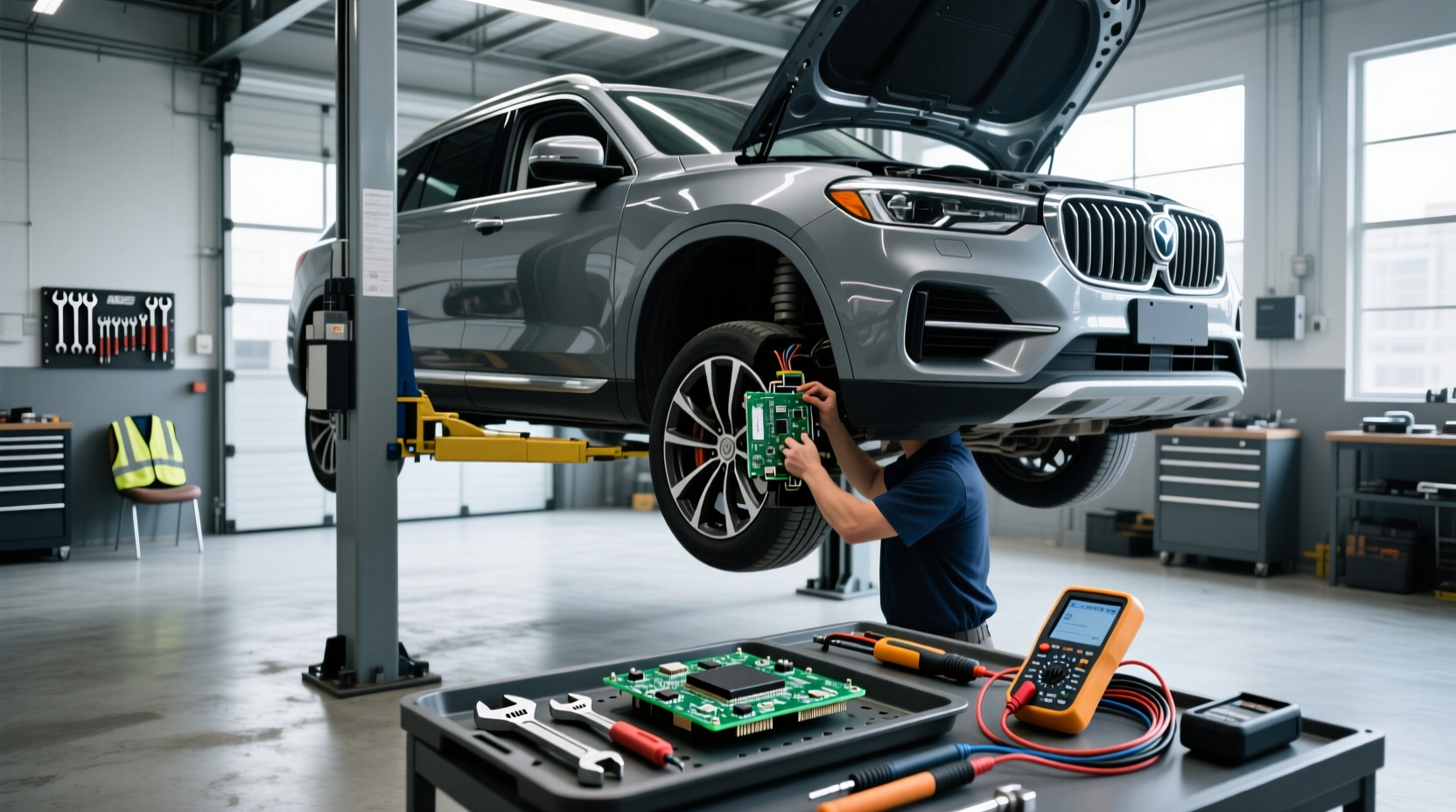
If your vehicle’s ABS warning light is on, the brake pedal feels unusually firm, or wheels lock up during normal braking, you may be facing a failing ABS control module replacement issue. This critical component manages your antilock braking system by monitoring wheel speed sensors and modulating brake pressure to prevent skidding. When it fails, safety is compromised—especially in wet or icy conditions. Replacing the ABS control module isn’t always necessary; sometimes cleaning, recalibration, or repairing internal circuits can resolve the problem. However, when replacement is required, costs typically range from $400 to over $1,200 depending on make, model, and labor rates. Understanding the symptoms, diagnostic process, and repair alternatives helps avoid unnecessary expenses and ensures your vehicle remains safe on the road.
What Is the ABS Control Module?
The ABS (Anti-lock Braking System) control module is a microprocessor-based unit that acts as the brain of your vehicle’s anti-lock brakes ⚙️. It receives real-time data from wheel speed sensors located at each wheel and determines if any wheel is about to lock up during braking. If slippage is detected, the module signals the hydraulic control unit to rapidly pulse the brakes—similar to manual “pumping” but much faster and more precise. This maintains steering control and reduces stopping distances on slippery surfaces.
Located usually near the brake master cylinder in the engine compartment 🔍, the ABS control module integrates with other systems like traction control, electronic stability control (ESC), and even speedometer functions. Because it processes signals from multiple sensors and controls high-pressure hydraulic valves, its failure can lead to cascading issues across several vehicle systems.
Symptoms of a Failing ABS Control Module
Recognizing early signs of a malfunctioning ABS module can prevent unsafe driving conditions and costly secondary damage. Below are the most common symptoms drivers report:
- ABS Warning Light Illuminated: The most obvious indicator. If the ABS light stays on after startup or flashes intermittently while driving, the module has detected an error.
- Firm or Hard Brake Pedal: Loss of power assist due to failed solenoid valves inside the module can make the pedal feel stiff, increasing stopping distance.
- Wheels Lock Up During Braking: Without proper modulation, one or more wheels may lock even under light braking—especially dangerous in rain or snow.
- Inaccurate Speedometer Readings: Since some vehicles use ABS sensor data for speed calculation, a faulty module or sensor can cause erratic speed readings.
- ABS Pump Runs Constantly: A stuck relay or shorted circuit may cause the pump motor to run continuously, draining the battery.
- Disabled Traction or Stability Control: Modern vehicles disable these features when the ABS system reports a fault.
It's important not to assume the module itself is defective just because the ABS light is on. Faulty wheel speed sensors, damaged wiring harnesses, or low brake fluid can trigger similar warnings. Proper diagnosis using an OBD-II scanner capable of reading ABS-specific codes is essential before proceeding with replacement ❗.
Can You Drive With a Bad ABS Control Module?
Yes—you can still drive—but with significant limitations ✅. The primary braking system will continue to function mechanically, meaning you can stop the car. However, without ABS, wheels are more likely to lock during emergency stops, especially on low-traction surfaces. This increases the risk of skidding and loss of steering control.
Driving long-term with a failed ABS module also risks damaging other components. For example, constant wheel lock-up can accelerate tire wear and stress the transmission in front-wheel-drive vehicles. Additionally, many states require functional ABS for emissions or safety inspections, so unresolved issues could result in a failed test.
If only the ABS light is on and no drivability issues are present, short-distance driving may be acceptable temporarily. But if you experience pedal stiffness, grinding noises, or inconsistent braking, have the system inspected immediately.
Diagnosing ABS Control Module Problems
Before replacing the module—which can be expensive—it’s crucial to confirm the root cause. Here’s a step-by-step diagnostic approach mechanics use:
- Scan for ABS Trouble Codes: Use a scan tool that supports manufacturer-specific ABS diagnostics (not all generic OBD-II scanners do). Look for codes such as C0035 (pump motor circuit), C0040 (valve relay), or individual wheel sensor faults.
- Inspect Wheel Speed Sensors: Check resistance and signal output. Damaged tone rings or corroded connectors often mimic module failure.
- Examine Wiring and Connectors: Corrosion, frayed wires, or bent pins in the module connector are common, especially in humid climates or off-road vehicles.
- Test Power and Ground Circuits: Ensure the module receives correct voltage and has a solid ground connection. Voltage drops can cause intermittent failures.
- Perform Actuator Test: Some advanced tools allow activation of solenoids and pumps within the module to verify mechanical operation.
In some cases, internal solder joints crack due to thermal cycling, causing intermittent faults. These can be repaired by reflowing the joints—a technique demonstrated in technical training videos from automotive educators 1. However, this requires disassembling the unit and carries risk of further damage if done improperly.
ABS Control Module Replacement: Step-by-Step Process
Replacing the ABS control module involves both mechanical and electronic steps. While experienced DIYers can perform this job, caution is advised due to high-pressure brake lines and sensitive electronics.
Tools and Materials Needed
- Socket set and wrenches
- Brake line flare nut wrenches
- OBD-II scan tool with ABS functionality
- New brake fluid
- Bleeding kit (manual or vacuum)
- Replacement ABS control module (new, remanufactured, or used)
- Torque wrench (for proper line tightening)
Procedure Overview
- Disconnect the Battery: Always start by disconnecting the negative terminal to prevent electrical shorts.
- Locate the Module: Typically found on the firewall or inner fender near the master cylinder 📍.
- Relieve Brake Pressure: Depressurize the accumulator if equipped (common in older GM and Ford models).
- Remove Electrical Connectors: Label them if multiple connectors exist.
- Disconnect Hydraulic Lines: Use flare nut wrenches to avoid rounding fittings. Place a container underneath to catch fluid.
- Unbolt the Module: Remove mounting bolts and carefully extract the unit.
- Install New Module: Transfer any external brackets or sensors. Hand-start all lines before tightening.
- Reconnect Wires and Lines: Torque fittings to manufacturer specs (usually 12–18 ft-lbs).
- Bleed the Brake System: Follow the correct sequence (often diagonally opposite wheels) until no air bubbles remain.
- Reconnect Battery and Clear Codes: Use the scan tool to reset the ECU and erase stored ABS codes.
- Test Drive Safely: Perform low-speed brake tests on a clear road before normal driving.
Some modern vehicles require module coding or calibration after installation. This means programming the new module with VIN-specific parameters using dealer-level software. Failure to do so may result in non-functional ABS or error codes returning immediately.
Repair vs. Replace: Are There Alternatives?
Full replacement isn’t always the best or only option. Consider these alternatives:
- Remanufactured Units: Offered by companies like Cardone or Module Master, these are rebuilt with tested components and often come with warranties. They’re significantly cheaper than OEM parts.
- Used Modules from Salvage Yards: Can save money, but ensure compatibility and consider potential hidden wear.
- Circuit Board Repair: Specialized shops can fix broken traces, failed capacitors, or corroded connections inside the module. This is cost-effective but not guaranteed.
- Dealer Reprogramming: In rare cases, a firmware update resolves phantom faults without hardware changes.
For example, Dorman offers remanufactured ABS modules designed to fix known design flaws, such as failed pump relays in certain 2002–2003 Chevrolet Trailblazer models 2. Choosing such targeted solutions can improve reliability beyond the original part.
Cost Breakdown: What to Expect
The total cost of an ABS control module replacement varies widely based on vehicle make, part type, and labor rates. Here’s a general estimate:
| Vehicle Type | Part Cost (OEM) | Part Cost (Remanufactured) | Labor Cost | Total Estimated Cost |
|---|---|---|---|---|
| Ford F-150 | $600–$900 | $300–$500 | $150–$250 | $750–$1,150 |
| Honda Accord | $500–$750 | $250–$400 | $120–$200 | $620–$950 |
| Jeep Wrangler | $700–$1,000 | $350–$550 | $180–$280 | $880–$1,280 |
| Toyota Camry (Bosch 8.1) | $650–$850 | $220–$450 | $140–$220 | $800–$1,070 |
Independent repair shops often charge less than dealerships, but may lack access to proprietary calibration tools. Always ask whether programming is included in the quote.
Common Mistakes to Avoid
- Skipping Diagnosis: Replacing the module without scanning codes often leads to misdiagnosis.
- Using Incorrect Brake Fluid: Always use the type specified in your owner’s manual (DOT 3, DOT 4, or DOT 5.1).
- Over-tightening Hydraulic Lines: This can strip fittings or crack the module housing.
- Not Bleeding Properly: Air in the ABS system causes spongy pedals and reduced braking efficiency.
- Ignoring Coding Requirements: A plug-and-play assumption can leave the system inactive.
When to Seek Professional Help
While some aspects of ABS repair can be DIY-friendly, certain situations demand professional expertise:
- Your vehicle requires module coding or VIN matching
- You lack experience bleeding complex brake systems
- The repair involves integrated ESC or hydraulic hybrid components
- You’re unsure how to interpret scan tool data
Dealerships and specialized auto electric shops have the right tools and software to handle post-replacement calibration, ensuring full system functionality.
Final Thoughts
The ABS control module plays a vital role in modern vehicle safety. Recognizing the symptoms of failure, understanding diagnostic procedures, and weighing repair versus replacement options empowers you to make informed decisions. While replacement can be expensive, exploring remanufactured units, professional repairs, or salvage-yard parts can reduce costs significantly. Always prioritize accurate diagnosis over guesswork, and never compromise on proper bleeding and calibration. Keeping your ABS system functional ensures safer braking performance year-round.
Frequently Asked Questions
- Can I replace the ABS control module myself?
- Yes, if you have mechanical experience, the right tools, and access to a scan tool that can clear codes. However, vehicles requiring module programming may need professional support.
- How long does an ABS control module last?
- Most modules last between 100,000 and 150,000 miles. Lifespan depends on driving conditions, exposure to moisture, and electrical system stability.
- What causes an ABS control module to fail?
- Common causes include water intrusion, vibration damage, electrical surges, overheating, and internal component wear such as relay or capacitor failure.
- Do I need to bleed the brakes after replacing the ABS module?
- Yes. Disconnecting hydraulic lines introduces air into the system. Full bleeding is required to restore proper brake function and pedal feel.
- Will a bad ABS module affect my transmission?
- In some vehicles, yes. Since the ABS module provides wheel speed data to the transmission control unit, incorrect signals can cause harsh shifting or incorrect gear selection.




 浙公网安备
33010002000092号
浙公网安备
33010002000092号 浙B2-20120091-4