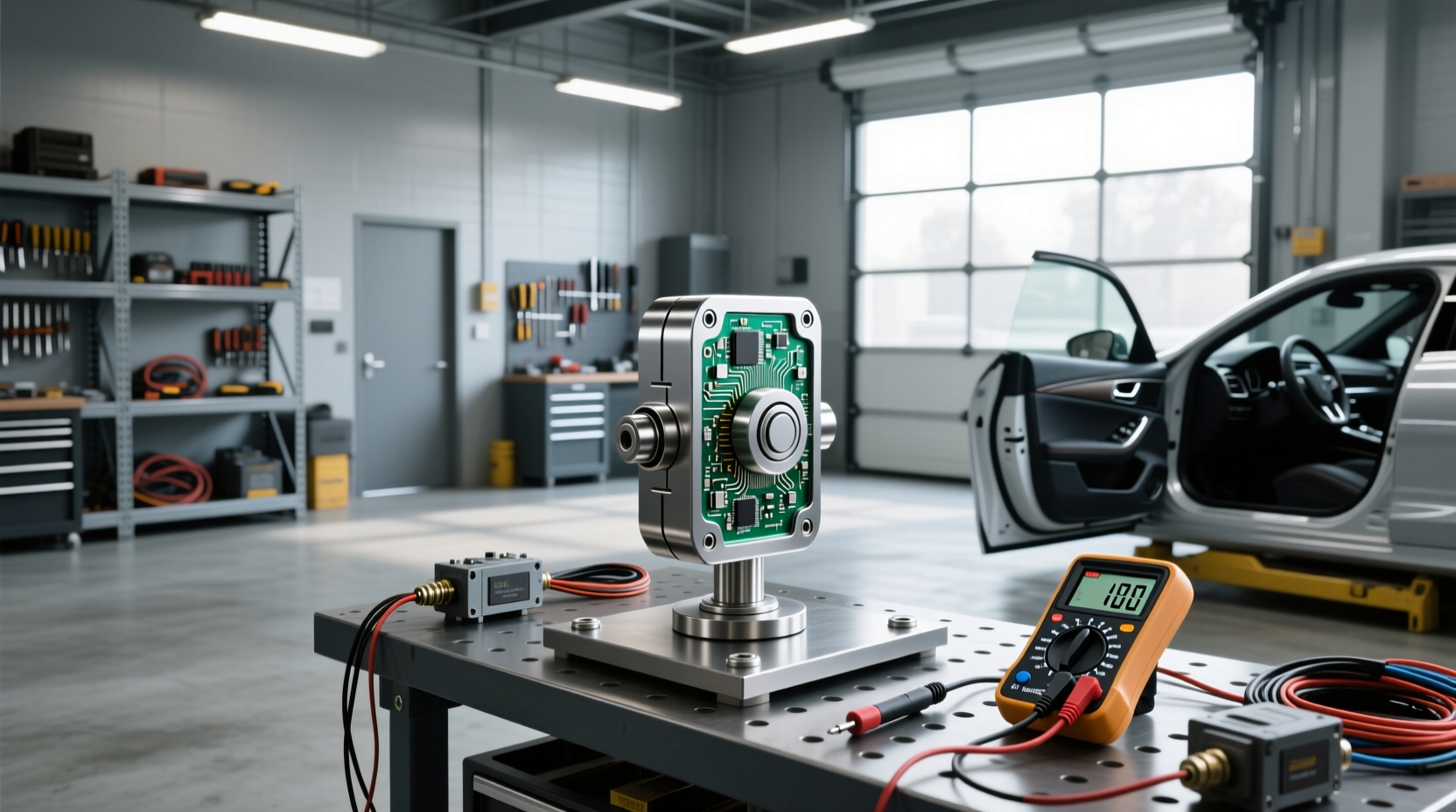
If your car doors won’t lock or unlock simultaneously using the key fob or interior switch, the issue may lie with the central locking module. This critical component acts as the brain of your vehicle’s door locking system, receiving signals from the remote or dashboard controls and sending commands to actuators in each door ⚙️. Understanding how this unit works, recognizing early signs of failure, and knowing whether a repair or replacement is needed can save time, money, and frustration. In this guide, we’ll walk through everything you need to know about central locking modules—how they function, why they fail, troubleshooting steps, and cost-effective solutions backed by real-world diagnostics.
What Is a Central Locking Module?
The central locking module, also known as the central locking control unit or body control module (BCM) in some vehicles, is an electronic relay hub that manages all door lock operations. When you press the lock or unlock button on your key fob or dashboard switch, the signal travels to this module, which then activates the appropriate door lock actuators ✅.
This system enhances both convenience and security. Instead of manually locking each door, drivers can secure or release all entry points at once. Most modern cars manufactured after the mid-1990s include some form of centralized locking, though designs vary between manufacturers. The module itself is typically located behind the dashboard, under the steering column, or inside the driver’s side door panel 🔧.
How Does the Central Locking System Work?
To fully understand the role of the central locking module, it helps to see how the entire system operates:
- Input Signal: You press the lock/unlock button on the key fob or interior switch 🌐.
- Signal Reception: The signal is received by the receiver antenna and passed to the central locking module.
- Processing: The module verifies the authenticity of the signal (to prevent unauthorized access).
- Output Command: Once verified, the module sends electrical pulses to the door lock actuators.
- Actuation: Each actuator moves a mechanical rod connected to the door latch, engaging or disengaging the lock.
This process usually takes less than a second. However, if any part fails—especially the central locking module—the entire system can become unreliable or non-functional ❗.
Common Symptoms of a Failing Central Locking Module
Recognizing early warning signs can help avoid being locked out or compromising vehicle security. Here are the most common symptoms:
- Intermittent Operation: Doors lock sometimes but not others without clear cause.
- No Response from Key Fob: Pressing buttons produces no action, even with fresh batteries.
- Only One Door Responds: Indicates possible wiring or actuator issues, but could stem from partial module failure.
- All Doors Fail Simultaneously: Suggests a central fault point—often the module or power supply.
- Fuses Blowing Repeatedly: A short circuit within the module may overload the circuit.
- Unintended Locking/Unlocking: Random activation suggests internal relay malfunction.
Before assuming the module is faulty, rule out simpler causes like dead batteries in the key fob, blown fuses, or damaged wiring harnesses near hinges where flexing occurs over time 🧰.
Components of a Complete Central Locking System
The central locking module doesn’t work alone. It’s one piece of a coordinated network. Below are the main components involved:
| Component | Function | Common Failure Points |
|---|---|---|
| Central Locking Module | Processes input signals and triggers actuators | Relay burnout, water damage, corrosion |
| Door Lock Actuators | Electric motors that move lock rods | Gear wear, motor seizure, broken linkages |
| Key Fob / Remote | Sends wireless signal to receiver | Battery drain, button contact wear |
| Receiver Antenna | Captures RF signal from remote | Loose connections, interference |
| Wiring Harness | Connects module to actuators and sensors | Chafed wires, moisture ingress |
| Fuse & Relay Panel | Protects circuit and enables high-current switching | Blown fuse, stuck relay |
When diagnosing central locking problems, consider all these parts—not just the module. A failed actuator can mimic module failure, especially if only one door stops working.
Can a Central Locking Module Be Repaired?
Yes, in many cases—but success depends on the nature of the failure. Some modules contain simple relays or transistors that can be replaced with basic soldering skills ⚡. Common repairable issues include:
- Failed electromechanical relays due to repeated use
- Corrosion on circuit board contacts
- Loose or cold solder joints
- Water intrusion from leaks in cabin seals
However, modern modules often use surface-mount components and sealed enclosures, making DIY repairs difficult without proper tools. If the microcontroller chip is damaged, replacement is usually more practical than repair.
For those technically inclined, YouTube tutorials show users replacing $2 relays inside modules for Honda, Toyota, and Ford models, restoring full function for under $10 including shipping 🛠️. But always test the system before reinstallation to confirm results.
When Should You Replace the Module?
Replacement becomes necessary when:
- Repair attempts fail or aren't feasible
- The module shows physical damage (cracks, burns)
- There's persistent communication error with other ECUs
- After verifying actuators, fuses, and wiring are functional
New modules range from $50 to $300 depending on make and model. Used units from salvage yards may cost less but carry risks: they might retain previous pairing data or have hidden wear. Always opt for programmable or resettable units when available.
Some vehicles require synchronization with the immobilizer or key fob system after installation. This may need professional scanning tools (e.g., Autel, Snap-On) capable of coding new modules—a task beyond typical DIYers 🚚.
DIY Troubleshooting Steps for Central Locking Issues
You don’t need a mechanic to begin diagnosis. Follow these steps to isolate the problem:
- Check Key Fob Battery: Replace it even if it seems fine. Weak transmission mimics system failure.
- Test Interior Switch: Try locking via dash button. If it works, the issue may be with the remote.
- Inspect Fuse Box: Locate the fuse labeled “door locks” or “BCM.” Look for breaks in the metal strip.
- Listen for Actuator Sounds: Have someone operate the switch while you listen at each door. Clicking means the actuator is receiving power.
- Examine Wiring in Door Boots: Open the rubber sleeve between door and frame. Check for frayed or broken wires.
- Scan for Error Codes: Use an OBD2 scanner with body module support to check for stored faults.
If all other components pass testing, the central locking module is likely at fault. Consider bench-testing it outside the vehicle if possible.
Cost Comparison: Repair vs. Replacement
Here’s a realistic breakdown of costs associated with fixing central locking issues:
| Solution | Average Cost (USD) | Labor Required | Success Rate |
|---|---|---|---|
| Replace Key Fob Battery | $3–$8 | Low | High |
| Replace Blown Fuse | $1–$5 | Low | High |
| Fix Broken Wire in Boot | $0–$20 (solder kit) | Moderate | High |
| Replace Single Actuator | $40–$120 | Moderate | High |
| Repair Module (DIY) | $5–$20 (parts) | High | Medium |
| New OEM Module | $150–$400 | High (coding needed) | Very High |
| Dealership Diagnosis + Fix | $200–$800 | None | Very High |
As shown, starting with low-cost checks can prevent unnecessary spending. Many people rush to replace expensive parts when a $3 fuse was the culprit.
Universal vs. OEM Central Locking Kits
Aftermarket suppliers offer universal central locking kits starting around $30–$60 🛒. These include a basic control module, actuators, wiring, and switches. They’re popular for older cars lacking factory systems or for custom builds.
Pros of Universal Kits:
- Lower upfront cost
- Easy to install with included instructions
- No programming required
Cons of Universal Kits:
- Lack integration with key fobs or alarm systems
- Potential reliability issues over time
- May void warranty if installed on newer vehicles
OEM systems, while more complex, offer seamless operation, better durability, and compatibility with anti-theft features. For existing factory-equipped cars, sticking with original design is generally recommended unless upgrading functionality.
Preventing Future Central Locking Failures
Maintenance matters. Even robust electronics degrade under stress. To extend the life of your central locking system:
- Keep Door Seals Intact: Prevent water from entering door cavities where actuators live.
- Lubricate Lock Mechanisms: Use silicone-based spray annually to reduce strain on motors.
- Avoid Forceful Door Closures: Excessive vibration damages delicate internal components.
- Replace Worn Key Fobs: Cracked housings allow moisture into circuitry.
- Use Climate-Controlled Parking: Extreme heat and cold accelerate electronic wear.
Regular inspection during oil changes or tire rotations can catch small issues before they escalate.
Regional Differences and Compatibility Notes
Central locking modules are not always interchangeable across regions. Manufacturers often tune software for local regulations or market preferences. For example:
- In Europe, many cars default to unlocking all doors upon first fob press for safety.
- In North America, single-press usually unlocks only the driver’s door.
- Australian models may include additional relay logic for 4WD accessories.
When sourcing a replacement module, ensure it matches your vehicle’s VIN-specific configuration. Mismatched units may require reprogramming or fail entirely.
Common Misconceptions About Central Locking Systems
Several myths persist among car owners. Let’s clarify them:
- Myth: Central locking failure always means the module is bad.
Fact: Over 60% of cases involve fuses, wiring, or actuators—not the control unit. - Myth: Newer cars don’t have central locking issues.
Fact: Increased complexity means more potential failure points, even in luxury brands. - Myth: Aftermarket modules perform the same as OEM.
Fact: While functional, they often lack diagnostic feedback and long-term reliability.
Understanding these misconceptions helps set realistic expectations and avoids misdiagnosis.
Final Recommendations
The central locking module plays a vital role in daily vehicle operation and security. When issues arise, take a methodical approach: start with simple checks (battery, fuse), progress to component testing (actuators, wiring), and only then evaluate the module itself. Repair is possible for certain failures, but replacement is often more reliable—especially with modern integrated systems.
If you're unsure, consult a qualified technician with experience in body electronics. Avoid swapping untested used modules from unknown sources, as they may introduce new problems. With proper care and informed decisions, most central locking systems can provide years of trouble-free service.
Frequently Asked Questions
- Can I drive with a failed central locking module?
- Yes, your car will still run. However, you lose convenience and may face security risks if doors can't be reliably locked.
- How do I reset my central locking system?
- Some vehicles allow resets by disconnecting the battery for 15 minutes. Others require specific sequences (e.g., turning the ignition on/off multiple times). Consult your owner’s manual for model-specific procedures.
- Is the central locking module the same as the BCM?
- In many cars, yes. The Body Control Module (BCM) often includes central locking functions along with lighting, wipers, and alarms. In older or simpler vehicles, the central locking module may be a separate unit.
- Can water damage the central locking module?
- Yes. Moisture from leaks, floods, or high-humidity environments can corrode circuits and cause intermittent or permanent failure. Ensure door and firewall seals are intact.
- Do I need to program a new central locking module?
- It depends on the vehicle. Many post-2000 models require coding via OBD2 interface to sync with keys and immobilizer. Older models may work plug-and-play.





 浙公网安备
33010002000092号
浙公网安备
33010002000092号 浙B2-20120091-4