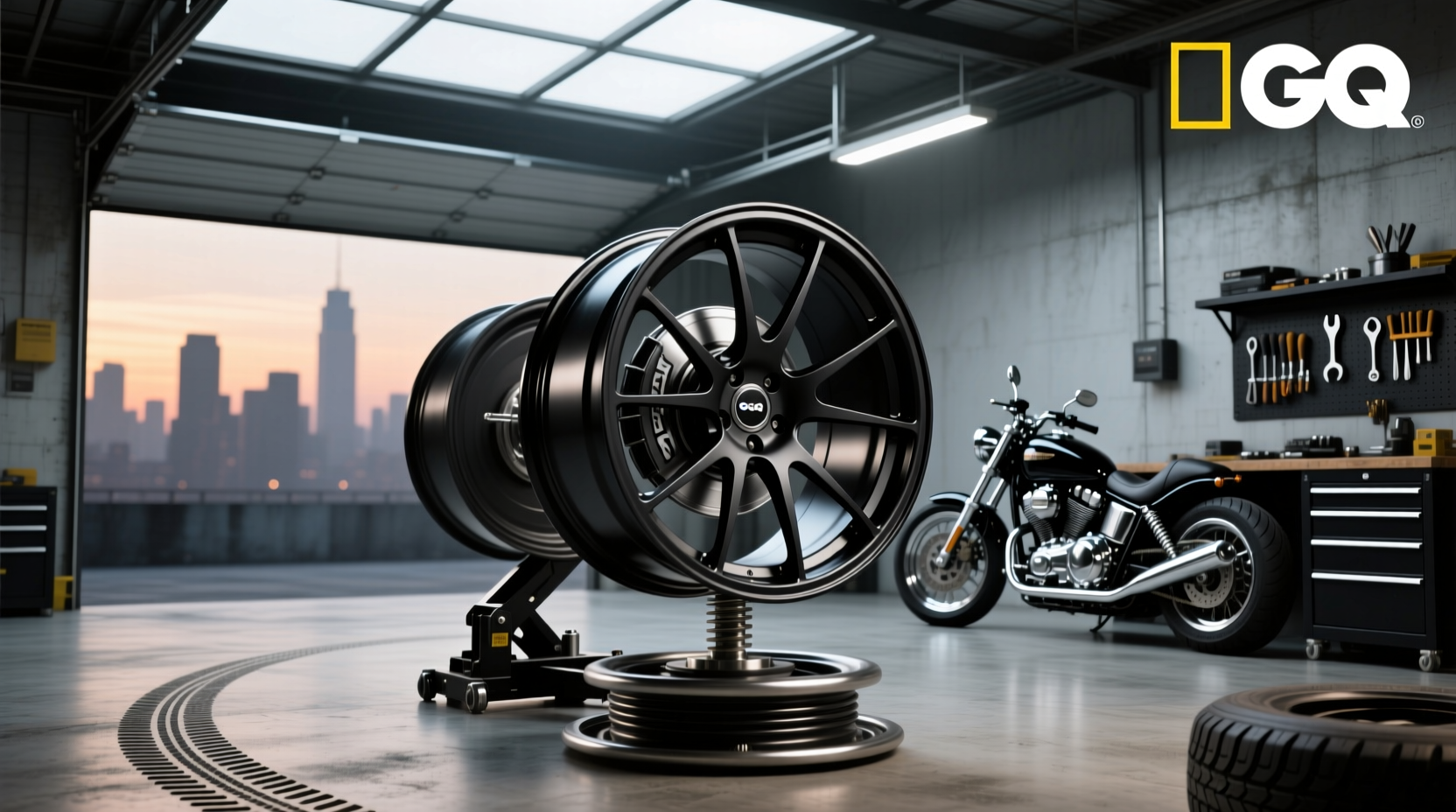
For car enthusiasts looking to personalize their vehicle's appearance, custom wheels spinner accessories offer a unique blend of visual flair and mechanical intrigue. These rotating center caps continue spinning after the wheel stops, creating a striking illusion that draws attention on city streets and cruise nights alike. While not essential for performance, they’ve become a popular aftermarket upgrade for drivers seeking standout aesthetics without altering core wheel functionality. Understanding how they work, the different types available, compatibility considerations, and proper maintenance is key to making an informed decision before installation.
What Is a Wheel Spinner and How Does It Work?
A custom wheels spinner refers to a freely rotating cap or insert mounted at the center of a wheel hub. Unlike standard center caps that stop when the vehicle stops, spinners use internal bearings or bushings to allow continued rotation even after braking. This creates the signature effect where the center appears to keep spinning while the rest of the wheel is stationary.
The mechanism typically involves a low-friction bearing system housed within the spinner unit. When the wheel turns during driving, momentum transfers to the spinner. After deceleration, the outer wheel halts due to brake force, but the spinner maintains rotational inertia for several seconds—sometimes up to 30 seconds depending on design quality and alignment.
There are two primary designs: one-piece spinners integrated into the wheel center cap, and two-piece systems with separate mounting hardware. Some advanced versions include weighted rotors or magnetic dampening to prolong spin duration. However, most consumer-grade models rely on precision engineering and smooth surface finishes to reduce resistance.
Different Types of Custom Wheel Spinners
Not all spinners function the same way or suit every vehicle type. Choosing the right kind depends on your rim size, lug pattern, finish preferences, and intended use case. Below are the most common categories found in today’s aftermarket market:
1. Bearing-Based Spinners ✨
These utilize sealed ball bearings to enable smooth, long-lasting rotation. They tend to be more durable than bushing-based alternatives and perform better under frequent stop-and-go conditions. Proper sealing protects against dirt and moisture, extending lifespan.
2. Bushing-Driven Spinners 🛠️
Instead of bearings, these use polymer or brass bushings. While less expensive, they generally have shorter spin times and may degrade faster in harsh climates. Ideal for occasional show vehicles rather than daily drivers.
3. Magnetic Dampened Spinners ⚙️
Incorporating rare-earth magnets around the rotor, this design controls spin speed and duration by inducing eddy currents. The result is a smoother, quieter slowdown effect often preferred for luxury or high-end custom builds.
4. Weighted Inertia Spinners 🔧
Featuring added mass in the outer ring, these spinners maintain momentum longer. Commonly seen on trucks and SUVs, they provide a dramatic visual impact but require balanced installation to prevent vibration issues.
5. LED-Equipped Spinners 💡
Modern variants integrate LED lighting powered by motion or small batteries. As the spinner rotates, lights illuminate patterns or logos, enhancing nighttime visibility and customization. Power sources vary—from kinetic generators to replaceable coin cells.
| Type | Spin Duration | Lifespan | Ideal Use Case |
|---|---|---|---|
| Bearing-Based | 15–30 sec | 3–5 years | Daily drivers, urban commuting |
| Bushing-Driven | 5–12 sec | 1–2 years | Show cars, weekend use |
| Magnetic Dampened | 10–20 sec | 4+ years | Luxury vehicles, custom builds |
| Weighted Inertia | 20–40 sec | 2–4 years | Trucks, muscle cars |
| LED-Equipped | Varies | Depends on battery | Night cruising, events |
Compatibility: Will Spinners Fit Your Vehicle?
One of the most frequently asked questions is whether custom wheels spinner kits are universally compatible. The answer is no—fitment depends on several factors including:
- Hub Bore Diameter: Must match the vehicle’s axle hub size (common sizes: 57mm, 73mm, 74.1mm)
- Lug Pattern: Center cap alignment must correspond with lug nut placement
- Wheel Finish: Chrome, black, matte, or brushed options should complement existing rims
- Vehicle Type: Cars, trucks, and SUVs may require different mounting mechanisms
For example, many OEM wheels come with shallow recesses that don’t accommodate thick spinner units. Deep-dish aftermarket rims often offer more space, but modifications might still be needed. Always verify clearance between the spinner and brake caliper to avoid contact during rotation.
Some manufacturers produce universal kits designed to fit multiple makes and models, but precise measurement is required before purchase. Using digital calipers to measure your current center cap bore ensures accurate matching.
Installation Process: Can You Install Them Yourself?
Installing a custom wheels spinner can range from simple snap-on attachment to complex bolt-on setups requiring tools and alignment checks. Here’s a step-by-step overview:
- Remove Existing Center Cap: Use a plastic trim tool to gently pry off the original cap without scratching the wheel surface.
- Clean Hub Area: Wipe down the exposed hub with isopropyl alcohol to remove grease and debris.
- Check Mounting Hardware: Determine if the spinner uses clips, screws, or press-fit mechanisms.
- Align and Attach: Position the spinner carefully, ensuring it sits flush and centered.
- Test Rotation: Spin manually to confirm free movement without wobbling or scraping.
While basic models can be installed in under 10 minutes per wheel, more sophisticated designs—especially those with internal wiring for LEDs—may benefit from professional help. Misalignment can lead to uneven wear or noise over time.
It’s also important to recheck tightness after the first 50 miles of driving, as vibrations may loosen fasteners initially.
Maintenance Tips for Longevity
To keep your custom wheels spinner functioning smoothly and looking sharp, regular upkeep is essential. Road grime, salt, and brake dust can accumulate inside the bearing chamber, reducing spin efficiency.
Recommended maintenance includes:
- Monthly Cleaning: Use compressed air or a soft brush to clear particles from crevices 🧼
- Annual Lubrication: Apply a light synthetic grease to bearings (if accessible) 🔧
- Inspect for Damage: Look for cracks, warping, or loose components 🔍
- Avoid Pressure Washing: High-pressure sprayers can force water past seals ❗
In winter climates, extra caution is advised. Road salts accelerate corrosion, especially on chrome-plated units. Consider removing spinners during snowy months or opting for stainless steel or coated versions resistant to rust.
Common Misconceptions About Wheel Spinners
Despite their popularity, several myths persist about custom wheels spinner performance and legality:
Myth 1: "They Improve Fuel Efficiency"✅ Fact: Spinners add minor rotational mass and create negligible aerodynamic drag. Any impact on fuel economy is statistically insignificant.
Myth 2: "They’re Illegal in Most States"✅ Fact: No U.S. federal law bans spinners outright. However, some states regulate loose or protruding parts that could detach and pose hazards. As long as the spinner is securely attached and doesn’t extend beyond the wheel plane, it’s generally compliant.
Myth 3: "All Spinners Make Noise"✅ Fact: Well-installed units with quality bearings operate silently. Noise usually indicates misalignment, worn bushings, or debris buildup.
Myth 4: "They Interfere with TPMS"✅ Fact: Tire Pressure Monitoring Systems are located inside the valve stem or rim, far from the center cap area. Spinners do not affect sensor readings unless improperly modified.
Cost vs. Value: Are They Worth It?
Pricing for custom wheels spinner sets varies widely based on material, complexity, and brand reputation. Entry-level plastic or zinc alloy models start around $80 for a set of four, while premium forged aluminum or CNC-machined units with LED features can exceed $300.
When evaluating value, consider:
- Build Quality: Metal spinners last longer than plastic ones 🏭
- Warranty Coverage: Look for at least a 1-year defect guarantee 📝
- Resale Appeal: May increase curb appeal but rarely adds measurable resale value 📈
- Replacement Parts: Availability of individual bearings or caps matters for long-term ownership 🛒
For budget-conscious buyers, mid-tier options ($120–$180) often strike the best balance between durability and cost. Avoid ultra-cheap imports with vague specifications, as poor tolerances can lead to premature failure.
Trends and Regional Popularity
Interest in custom wheels spinner accessories has fluctuated over the decades. Originating in 1960s American hot rod culture, they gained mainstream attention through hip-hop music videos in the 1990s and early 2000s. Today, they remain particularly popular in urban centers like Los Angeles, Atlanta, and Detroit, where car customization is part of local identity.
Recent trends show a shift toward subtler designs—brushed finishes, monochrome themes, and integrated branding—over flashy chrome and exaggerated spin durations. There’s also growing interest in eco-friendly materials and recyclable packaging among environmentally conscious modifiers.
In Europe, regulations around moving parts are stricter in some countries, limiting adoption. Meanwhile, Middle Eastern markets embrace elaborate spinner styles as status symbols, often pairing them with large-diameter rims (22 inches and above).
Frequently Asked Questions
- Can I install custom wheel spinners on any car?
- No—not all wheels support spinners. Compatibility depends on hub bore size, center cap depth, and clearance from brake components. Verify fitment using manufacturer specs before purchasing.
- Do wheel spinners affect tire balance?
- Properly installed spinners add minimal weight and shouldn't disrupt balance. However, damaged or poorly aligned units can cause vibrations noticeable at higher speeds.
- How long do spinners typically last?
- Lifespan ranges from 1 to 5 years depending on build quality, climate, and usage. Bearing-based models in moderate environments last longest.
- Are LED spinners street legal?
- Yes, as long as the lights don’t flash red or blue (colors reserved for emergency vehicles). White, amber, or colorless LEDs are generally acceptable.
- Can I clean spinners with detailing products?
- Use non-abrasive cleaners only. Harsh polishes or acid-based solutions can damage coatings and degrade internal components over time.





 浙公网安备
33010002000092号
浙公网安备
33010002000092号 浙B2-20120091-4