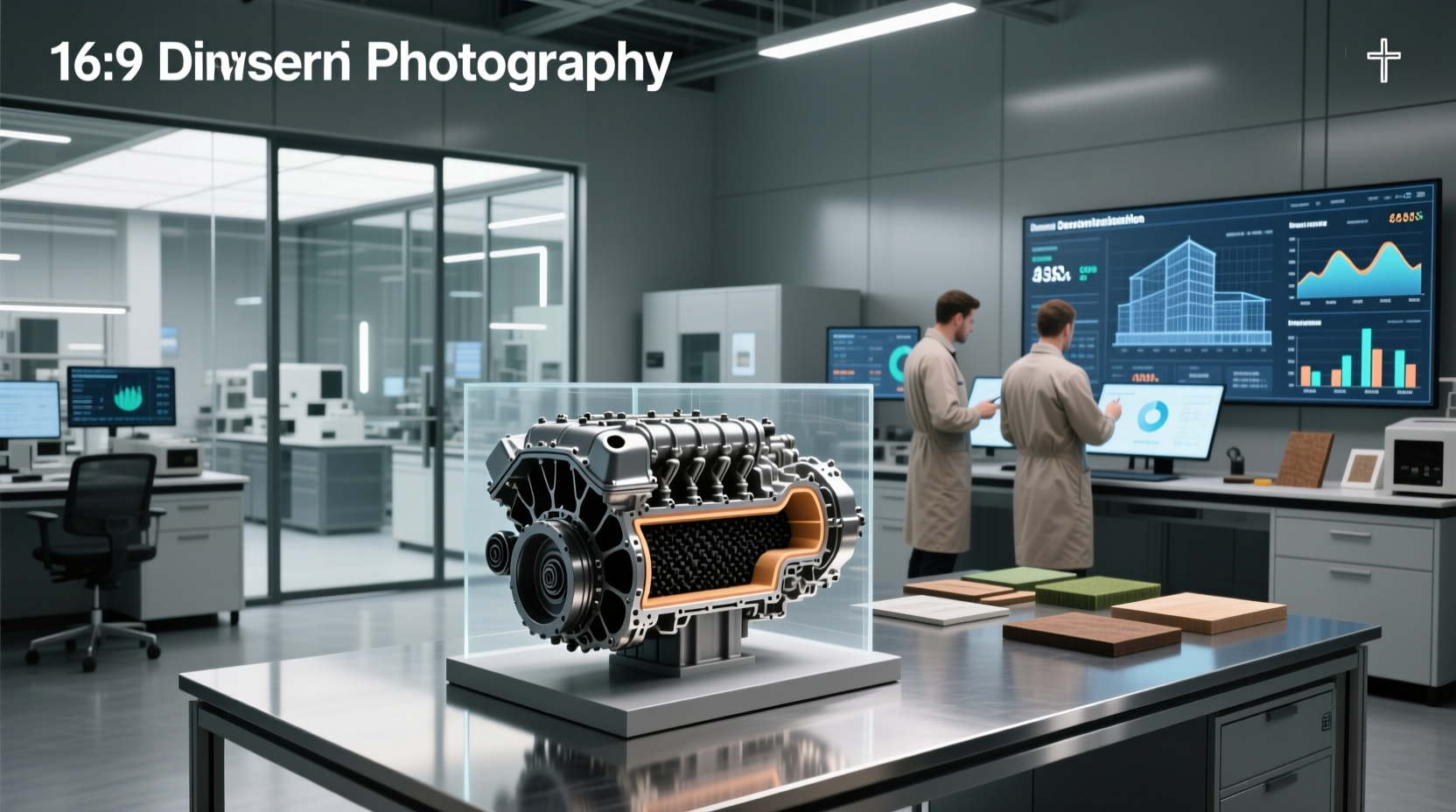
Engine decarbonization cost varies widely depending on location, service type, vehicle make, and whether you're purchasing a machine or paying for professional cleaning. On average, professional engine carbon cleaning services range from $100 to $300 per vehicle, while commercial-grade decarbonization machines used in garages can cost between $1,500 and $45,000. This comprehensive guide breaks down all cost components, including labor, equipment, fuel compatibility, and long-term value, helping car owners and auto professionals understand what influences pricing and how to evaluate if engine decarbonization is a worthwhile investment.
Why Engine Decarbonization Matters
Over time, internal combustion engines accumulate carbon deposits in critical areas such as intake valves, combustion chambers, piston heads, and EGR (Exhaust Gas Recirculation) systems. These buildups are especially common in direct-injection petrol and turbo-diesel engines due to incomplete fuel combustion and recirculated exhaust gases 1. As carbon layers grow thicker, they can lead to reduced engine efficiency, increased emissions, rough idling, decreased fuel economy, and even mechanical damage over time.
🔧 Engine decarbonization—also known as carbon cleaning or hydrogen engine decarbonization—is a maintenance procedure designed to remove these harmful deposits without disassembling the engine. The process typically involves introducing a cleaning agent into the engine’s air intake system while it runs at idle. One of the most effective methods uses hydroxy gas (HHO), generated by electrolyzing water, which burns inside the engine and converts solid carbon into CO₂ and water vapor that exit through the exhaust.
✨ This non-invasive method has gained popularity among mechanics and fleet operators because it restores performance, lowers emissions, and may extend engine life—all without major teardowns. However, with growing interest comes confusion about actual costs, effectiveness, and return on investment.
Understanding Engine Decarbonization Service Costs
The price drivers behind engine decarbonization vary significantly based on several key factors:
📍 Geographic Location & Labor Rates
Costs differ across regions due to labor rates and local market competition. For example:
- In the United States, expect to pay between $120 and $280 for a standard passenger vehicle.
- In India, prices range from ₹90,000 to ₹3,99,999 for full commercial machines, but per-service costs are lower—typically ₹2,000–₹5,000 (~$25–$60).
- In the UK and EU, services average £80–£200 ($100–$250), depending on garage reputation and equipment used.
Shop around locally using terms like “engine carbon cleaning cost near me” or “professional engine decarbonization service pricing” to compare quotes.
🛒 Type of Vehicle and Engine Size
Larger engines require more time and gas output during cleaning, increasing labor and resource usage. A compact 1.5L petrol engine might take 30 minutes, whereas a heavy-duty diesel truck engine could need up to 90 minutes. Some shops charge flat rates; others bill hourly, often $60–$120/hour for specialized diagnostics and cleaning work.
⚙️ Technology Used: HHO vs. Chemical vs. Walnut Blasting
Different technologies carry different cost implications:
| Method | Average Cost Range | Pros | Cons |
|---|---|---|---|
| Hydrogen (HHO) Carbon Cleaning | $100–$250 | Non-destructive, eco-friendly, improves fuel economy | Requires specialized machine, limited effect on severe clogs |
| Chemical Intake Cleaners (DIY) | $20–$50 | Cheap, easy to apply | Mild results, temporary fix, not suitable for deep deposits |
| Walnut Shell Blasting | $300–$800 | Highly effective for intake valves | Invasive, requires disassembly, high labor cost |
| Complete Engine Overhaul | $1,500+ | Removes all carbon, allows inspection | Extremely expensive, downtime involved |
✅ HHO-based cleaning strikes a balance between cost and effectiveness, making it ideal for preventive maintenance rather than emergency repair.
🏭 DIY vs. Professional Service vs. Buying Equipment
There are three primary approaches to engine decarbonization:
- Professional Service: Most consumers opt for this route. It ensures proper setup, safety, and correct execution. Average cost: $100–$300.
- DIY Kits: Portable HHO generators are available online starting at $300–$800. While cheaper upfront than commercial units, they require technical knowledge and caution when operating near live engines.
- Buying Commercial Machines: Auto shops invest in industrial-grade decarbonization machines ranging from $1,500 to over $45,000. These units offer faster processing, durability, and integration with diagnostic tools.
📌 For individual car owners, paying for a one-time service is usually more economical than buying equipment. However, for garages offering this as a recurring service, ROI can be achieved within months depending on customer volume.
How Much Do Engine Decarbonization Machines Cost?
If you're considering investing in an engine decarbonization machine—for personal use or business—the price depends heavily on power output, automation level, brand, and region.
⚡ Key Specifications That Affect Machine Pricing
- Power Rating: Measured in kW or kVA (e.g., 1.5 kW). Higher power enables faster gas generation and shorter cleaning cycles.
- Gas Output: Ranges from 800 L/h to 2,000+ L/h. More output means quicker treatment for larger engines.
- Water Consumption: Typically 0.2–0.5 L/h. Lower consumption reduces operating costs.
- Automation Level: Microcontroller-based systems automate timing, gas flow, and safety checks, reducing human error.
- Warranty & Support: Machines with 1-year warranties and technical support command higher prices.
📋 Based on data from suppliers like IndiaMART, Tradeindia, and Autonics Machines, here's a breakdown of current machine pricing trends:
| Machine Model / Supplier | Price (USD Approx.) | Key Features |
|---|---|---|
| HHO Carbon Cleaning Machine – Hydrotech | $5,300 | 1.5 kW, automatic control, 2,000 L/h output |
| Engine Decarbonizing Machine – Autonics India | $2,400 | Fully automatic, microcontroller-based, 30-min cycle |
| Carbon Cleaning Machine CC-14 – UK Supplier | $6,000 | Compact design, suitable for small workshops |
| Hydroxy Power Machine – Atal Tools | $4,250 | 2,000 L/h max output, low water consumption |
| Jetageworld Engine Decarbonizer | $5,950 | 1.5 kW, global shipping, 1-year warranty |
🌐 Prices listed are indicative and may include shipping or import duties depending on destination. Machines priced under $2,500 are often entry-level models suitable for light-duty use, while premium units above $5,000 cater to high-volume repair shops.
When Is Engine Decarbonization Worth the Cost?
Not every vehicle needs carbon cleaning. Understanding when to proceed helps avoid unnecessary spending.
✅ Recommended Scenarios
- Your car shows symptoms like rough idle, misfires, or reduced acceleration.
- Fuel economy has dropped noticeably despite no other mechanical issues.
- You drive mostly in city conditions with frequent short trips (common cause of carbon buildup).
- Your vehicle uses gasoline direct injection (GDI) or a turbocharged diesel engine.
- Preventive maintenance after 60,000–100,000 miles (96,000–160,000 km).
❌ When to Avoid It
- The engine already has mechanical faults (e.g., worn piston rings, valve seals).
- No noticeable performance decline or emission issues.
- You're preparing to sell the car and seeking a quick 'fix'—results may not last.
- Budget is tight and the service exceeds $300 without clear diagnostic justification.
🔍 Always ask for a pre-and-post diagnostic scan (OBD2) to measure improvements in parameters like lambda correction, idle stability, and throttle response. Reputable shops will provide this transparency.
Common Misconceptions About Engine Decarbonization
Despite its benefits, there are widespread myths affecting consumer decisions:
Myth 1: "It’s Just a Marketing Gimmick"
While some shops oversell results, independent studies and technician reports confirm measurable gains in airflow, combustion efficiency, and emission reduction after HHO cleaning 2. Results depend on initial condition and severity of deposits.
Myth 2: "One Treatment Lasts Forever"
Carbon will reaccumulate over time, especially under stop-and-go driving. Most experts recommend repeating the service every 50,000–80,000 km (30,000–50,000 miles) as part of routine care.
Myth 3: "All Machines Work the Same Way"
Differences in gas purity, pressure regulation, and delivery method impact effectiveness. Low-quality units may produce insufficient HHO or lack safety cutoffs, risking backfires or sensor damage.
Tips for Evaluating Engine Decarbonization Value
To determine if the cost aligns with real-world benefit, consider these steps:
- Get a Diagnostic First: Use OBD2 scanning to check for fault codes related to MAF, oxygen sensors, or misfires before proceeding.
- Ask for Before/After Data: Request video or logs showing changes in RPM smoothness, fuel trim values, or smoke levels.
- Verify Equipment Type: Confirm the shop uses genuine HHO-based systems, not just chemical sprays labeled as 'carbon cleaning.'
- Compare Alternatives: Weigh the $200 cleaning cost against potential savings from improved fuel economy (e.g., regaining 1–2 MPG over 10,000 miles saves ~$100–$200 at $5/gallon).
- Check Reviews: Look for verified customer feedback mentioning specific improvements, not just generic praise.
Regional Variations and Market Trends
🌍 Engine decarbonization adoption varies globally:
- India: Rapid growth due to rising diesel vehicle ownership and poor fuel quality. Machines start at ₹90,000 (~$1,100), with service costs under ₹5,000.
- Europe: Driven by strict Euro 6 emissions standards. Many garages now offer carbon cleaning as part of DPF (Diesel Particulate Filter) regeneration packages.
- North America: Slower adoption but increasing among independent mechanics serving older turbocharged vehicles (e.g., Ford EcoBoost, VW TDI).
📈 Market demand is rising, particularly for automated, user-friendly machines that integrate with existing workshop workflows. Suppliers on platforms like IndiaMART and Made-in-China.com reflect this trend with competitive pricing and modular designs.
Final Thoughts: Balancing Cost and Long-Term Benefits
Engine decarbonization isn't a miracle cure, but it's a scientifically sound maintenance practice when applied appropriately. The typical cost of $100–$300 for a professional service represents a moderate investment compared to the price of engine repairs caused by neglected carbon buildup.
For auto shops, purchasing a decarbonization machine can open new revenue streams. With average service charges of $150–$250, breaking even on a $3,000 machine requires only 12–20 customers. Add-on services like DPF cleaning or injector testing further improve profitability.
However, consumers should approach the service critically. Ask questions, request proof of improvement, and ensure the technician follows safe procedures. Blindly accepting a 'recommended' cleaning without evidence of need can lead to wasted money.
Frequently Asked Questions (FAQ)
Below are answers to common follow-up questions about engine decarbonization cost and process:
How much does professional engine decarbonization cost?
Professional engine decarbonization typically costs between $100 and $300 in North America and Europe, while in countries like India, it ranges from ₹2,000 to ₹5,000 (~$25–$60). Prices vary based on location, vehicle type, and technology used.
Is engine carbon cleaning worth the money?
Yes, if your vehicle shows symptoms like rough idling, reduced fuel economy, or failed emissions tests due to carbon buildup. For well-maintained cars with no issues, the benefit may be minimal. Always get a diagnostic check first.
Can I perform engine decarbonization at home?
Yes, with a portable HHO kit costing $300–$800. However, improper use can damage sensors or cause backfires. Unless you have mechanical experience, it's safer to use a professional service.
Do all cars need engine decarbonization?
No. Modern engines, especially GDI and turbo-diesels, are more prone to carbon buildup, but many vehicles run fine beyond 100,000 miles without cleaning. It should be done based on performance issues, not mileage alone.
How often should engine decarbonization be done?
Every 50,000 to 80,000 kilometers (30,000–50,000 miles) is a common recommendation for preventive maintenance, especially for vehicles driven primarily in urban environments with frequent short trips.




 浙公网安备
33010002000092号
浙公网安备
33010002000092号 浙B2-20120091-4