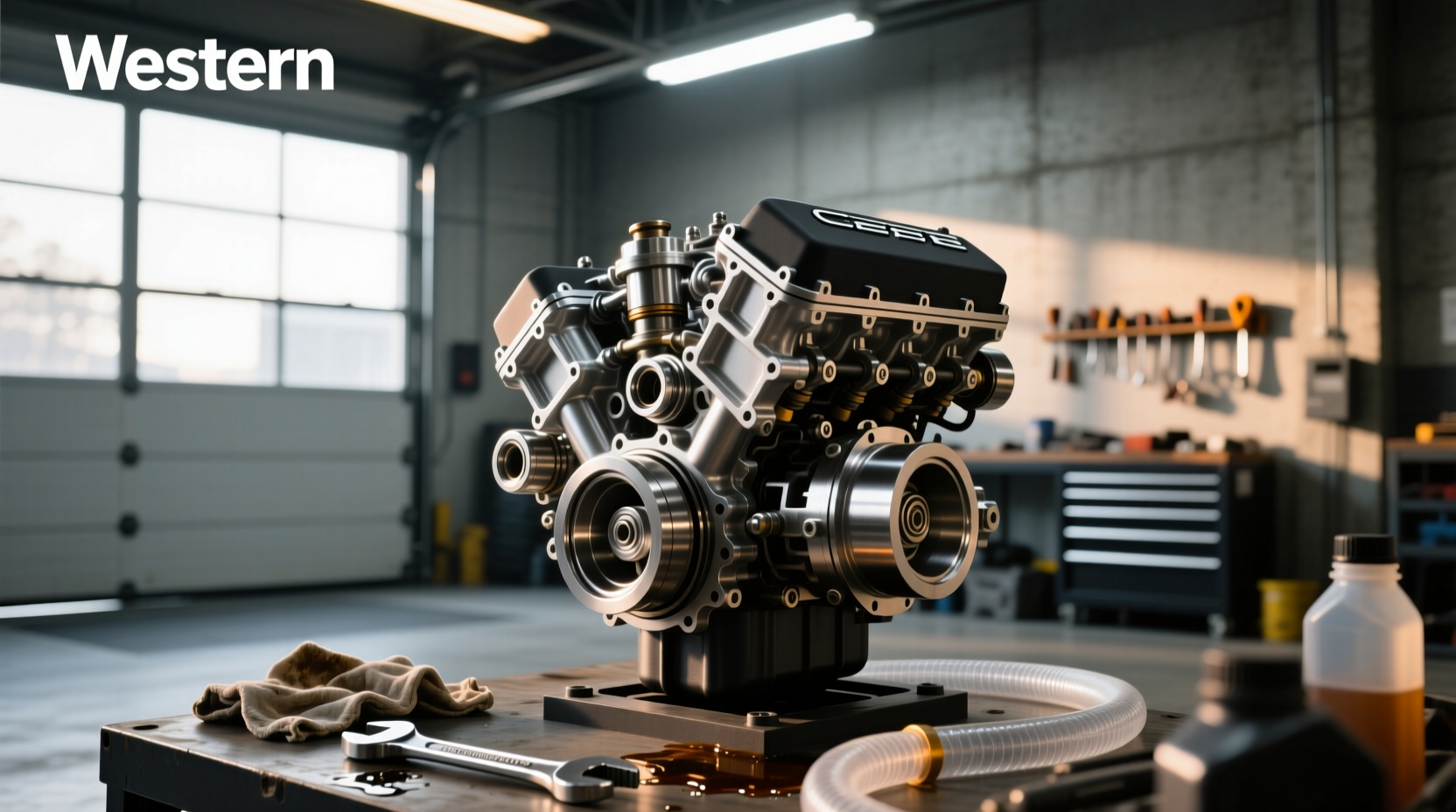
⚙️ Understanding valves in engine systems is essential for maintaining performance, efficiency, and longevity in both automotive and industrial power units. Whether you're troubleshooting a misfiring engine or optimizing marine diesel operations, the role of intake and exhaust valves cannot be overstated. These components control the flow of air and fuel into the combustion chamber and manage the release of exhaust gases after ignition. When valves fail or wear out, engine power drops, fuel economy suffers, and costly repairs may follow. This guide breaks down everything you need to know about engine valves — from design and function to symptoms of failure, adjustment procedures, and long-term maintenance strategies.
What Are Engine Valves and Why Are They Important?
Engine valves are precision-machined metal components located in the cylinder head that open and close at specific intervals during the combustion cycle. There are two primary types: intake valves and exhaust valves. The intake valve allows the air-fuel mixture (in gasoline engines) or just air (in diesel engines) to enter the combustion chamber during the intake stroke. After compression and ignition, the exhaust valve opens to let spent gases escape during the exhaust stroke.
✅ Proper valve timing, seating, and clearance are critical for efficient engine operation. Even minor deviations can lead to reduced compression, overheating, or valve damage. In high-performance or large-bore engines—such as those made by Wärtsilä used in marine applications—valve integrity directly affects reliability under continuous load 1.
Types of Valves Used in Internal Combustion Engines
While all engine valves serve similar functions, their designs vary based on application, engine type, and performance requirements.
Intake Valves
🔧 Intake valves are typically larger than exhaust valves because they need to allow maximum airflow into the cylinder. They operate in relatively cooler environments since incoming air helps dissipate heat. Most modern intake valves are made from alloys like nickel-chromium or manganese, offering good strength and resistance to wear.
Exhaust Valves
🔥 Exhaust valves face much harsher conditions. They must withstand temperatures exceeding 800°C (1,470°F), especially in turbocharged or high-RPM engines. To handle this stress, exhaust valves are often constructed from more durable materials such as stainless steel or nimonic alloys—a nickel-based superalloy known for thermal stability 2.
Poppet Valves (Most Common Type)
⚙️ The poppet valve is the standard design in nearly all modern internal combustion engines. It consists of a stem and a mushroom-shaped head that seals against a machined seat in the cylinder head. Spring-loaded mechanisms ensure it closes tightly after each actuation via the camshaft.
Rotating Disc Valves & Sleeve Valves (Less Common)
📌 While rare in production vehicles, some experimental and historical engines use alternative designs:
- Rotating disc valves: Used in certain two-stroke engines to control port timing.
- Sleeve valves: Found in older aircraft engines; these eliminate traditional poppets but require complex machining.
How Engine Valves Work: Timing, Actuation, and Control
The operation of engine valves is synchronized with piston movement through the four-stroke cycle: intake, compression, power, and exhaust. This synchronization is managed by the valvetrain system.
Valve Timing Basics
⏱️ Valve timing refers to when the valves open and close relative to the position of the piston and crankshaft. Precise timing ensures optimal scavenging of exhaust gases and filling of fresh charge. Modern engines often use variable valve timing (VVT) systems to adjust timing dynamically based on load and RPM, improving efficiency and emissions.
Camshaft-Driven Operation
🏭 Most engines use a camshaft—either overhead (OHC) or in-block—to push against lifters, pushrods (if applicable), rocker arms, and finally the valve stems. As the cam lobe rotates, it forces the valve open; a return spring closes it once the lobe passes.
Direct vs. Indirect Actuation
📌 Some high-performance engines use direct-acting bucket tappets, eliminating rocker arms for reduced mass and higher RPM capability. Others, particularly older or commercial diesel engines, rely on full valvetrain linkages including tappets and tubular push rods 3.
| Feature | Overhead Cam (OHC) | Pushrod (OHV) |
|---|---|---|
| Valve Actuation | Direct via rocker arm or bucket | Through pushrod and rocker arm |
| RPM Capability | Higher (lighter moving parts) | Moderate (more reciprocating mass) |
| Maintenance Access | Easier valve clearance checks | May require disassembly |
| Common Use | Modern passenger cars | V8s, trucks, industrial engines |
Symptoms of Failing or Damaged Engine Valves
❗ Ignoring early warning signs can lead to severe engine damage. Here are common indicators of valve problems:
- Loss of Power: Poor sealing due to warped or burnt valves reduces compression.
- Excessive Oil Consumption: Worn valve guides or seals allow oil to leak into the combustion chamber.
- Strange Noises: Ticking or tapping sounds may indicate incorrect valve clearance.
- Blue Smoke from Exhaust: A sign of oil burning, often linked to faulty valve seals.
- Check Engine Light: Misfires caused by poor valve timing or leakage can trigger OBD-II codes.
🔍 Diagnosing valve issues often involves a compression test, leak-down test, or borescope inspection. If multiple cylinders show low pressure, worn valves or seats could be the culprit.
Differences Between 2-Valve and 4-Valve Engines
❓ One frequently asked question is: Which is faster, a 2-valve or 4-valve engine? While not strictly about speed, the number of valves per cylinder significantly impacts breathing efficiency and performance.
2-Valve Engines
✅ Simpler design with one intake and one exhaust valve per cylinder. Benefits include lower manufacturing cost, easier maintenance, and better low-end torque. However, airflow is limited at high RPMs.
4-Valve Engines
⚡ More advanced configuration using two intake and two exhaust valves. This increases total valve area, allowing better volumetric efficiency and higher horsepower output. Most modern performance and economy-focused engines use 4-valve layouts.
📌 Trade-offs exist: increased complexity, higher part count, and potentially more frequent adjustments. But for most drivers, the gains in fuel efficiency and responsiveness outweigh the downsides.
Valve Clearance: Why It Matters and How to Adjust It
🔧 Valve clearance (also called tappet clearance) is the small gap between the rocker arm and the valve stem when the valve is closed. This gap compensates for thermal expansion as the engine heats up.
If clearance is too tight, the valve may not fully close, leading to overheating and burnout. If too loose, it causes noisy operation and premature wear on valvetrain components.
When to Check Valve Clearance
📌 Recommended intervals vary by manufacturer:
- Gasoline engines: Every 30,000–60,000 miles
- Diesel engines: Every 20,000–40,000 miles
- Marine/industrial engines (e.g., Wärtsilä): Follow OEM service schedules closely 4
Adjustment Process Overview
- Warm up the engine, then let it cool completely.
- Remove the valve cover.
- Rotate the crankshaft to place each cylinder at top dead center (TDC) on the compression stroke.
- Use feeler gauges to measure existing clearance.
- Adjust via screw-and-locknut or shim-over-bucket systems.
- Recheck and reassemble.
📹 Videos demonstrating valve clearance checks on Wärtsilä engines confirm the importance of precision in large-bore units 5.
Specialized Valve Systems in Industrial and Marine Engines
🏭 In heavy-duty applications like shipping or power generation, engine valves face extreme operating conditions. Companies like Wärtsilä integrate advanced systems to maintain reliability.
Uniflow Scavenging with Exhaust Valves
🌊 Many modern two-stroke marine diesel engines use uniflow scavenging, where fresh air enters through ports at the bottom of the cylinder and exhaust exits through a centrally located exhaust valve in the cylinder head. This improves scavenging efficiency and reduces fuel consumption 4.
Gas Valve Units (GVU) in Dual-Fuel Engines
🌐 In LNG-powered engines, the gas valve unit (GVU) regulates the supply of natural gas to the combustion chamber. It adjusts feed pressure according to engine load and ensures safe shutdown during maintenance 6.
Electronic Wastegate Valves
⚡ Used in Wärtsilä 34SG engines, electronic wastegate valves control turbocharger boost pressure by diverting excess exhaust gas. Upgrades to these systems improve transient response and reduce emissions 7.
Can You Replace Just One Engine Valve?
🛠️ Technically, yes—but it's generally not recommended. Replacing only one valve risks imbalance in seating, wear patterns, and thermal behavior. Best practice is to replace valves in sets per cylinder or across the entire head if significant wear is present.
🛒 For engines like the Wärtsilä L20, complete exhaust valve assemblies—including spindle and seal—are available as OEM-quality replacements. Pricing varies depending on material (e.g., nimonic vs. steel) and supplier 2.
How Much Does It Cost to Replace Engine Valves?
💸 Labor-intensive work drives most of the cost. Valve replacement typically includes:
- Removal and disassembly of cylinder head
- Inspection and resurfacing of head
- Replacement of valves, guides, and seals
- Reassembly and reinstallation
Average costs (USD):
- Passenger car: $800–$1,800
- Heavy-duty truck: $1,500–$3,000+
- Marine engine overhaul: $5,000–$20,000+ (depending on bore size and accessibility)
📍 Always get a detailed quote and verify whether additional machining is needed.
Preventive Maintenance Tips for Long Valve Life
✨ Extending valve life starts with routine care and smart driving habits.
- Follow Service Intervals: Stick to factory-recommended timelines for valve adjustments.
- Use Quality Fuel and Oil: Contaminants accelerate wear on valve seats and guides.
- Avoid Short Trips: Frequent cold starts increase condensation and corrosion risk.
- Monitor Engine Temperature: Overheating leads to warping and pre-ignition damage.
- Listen for Abnormal Sounds: Early detection saves money and downtime.
Common Misconceptions About Engine Valves
❌ Several myths persist among vehicle owners and even technicians:
- Myth: All valves are interchangeable.
Fact: Valves differ by diameter, stem length, angle, and material. Always match OEM specs. - Myth: Hydraulic lifters eliminate the need for adjustment.
Fact: While self-adjusting, they can fail or bleed down, causing noise or poor performance. - Myth: Burnt valves only happen in old engines.
Fact: Lean air-fuel mixtures or poor cooling can damage new engines quickly.
Conclusion: Mastering Valve Knowledge for Better Engine Care
Understanding how valves in engine systems operate empowers you to make informed decisions about maintenance, diagnosis, and repair. Whether you're managing a fleet of delivery vans or operating a container ship with Wärtsilä powerplants, paying attention to valve health pays off in reliability and cost savings. From recognizing early failure signs to performing precise clearance adjustments, proactive care keeps your engine running smoothly for thousands of miles.
Frequently Asked Questions (FAQ)
- What happens when an engine valve goes bad?
- A failing engine valve can cause loss of compression, misfires, reduced power, increased oil consumption, and unusual noises like tapping or hissing. If left unattended, it can lead to catastrophic engine damage.
- Is Wärtsilä a Chinese company?
- No, Wärtsilä is a Finnish company headquartered in Helsinki, Finland. It specializes in marine and energy market solutions, including large-bore diesel and gas engines.
- How much is it to replace a valve in an engine?
- Replacing individual valves isn’t usually done alone. A full valve job typically costs between $800 and $1,800 for passenger vehicles, and significantly more for industrial or marine engines due to labor and parts complexity.
- Which is faster, a 2-valve or 4-valve engine?
- A 4-valve engine generally produces more horsepower and performs better at high RPMs due to improved airflow. However, 2-valve engines often deliver stronger low-end torque, making them suitable for different applications.
- Can I adjust valve clearance myself?
- Yes, if you have mechanical experience, the right tools (feeler gauges, wrenches), and access to the service manual. Incorrect adjustment can damage the engine, so proceed carefully or consult a professional.





 浙公网安备
33010002000092号
浙公网安备
33010002000092号 浙B2-20120091-4