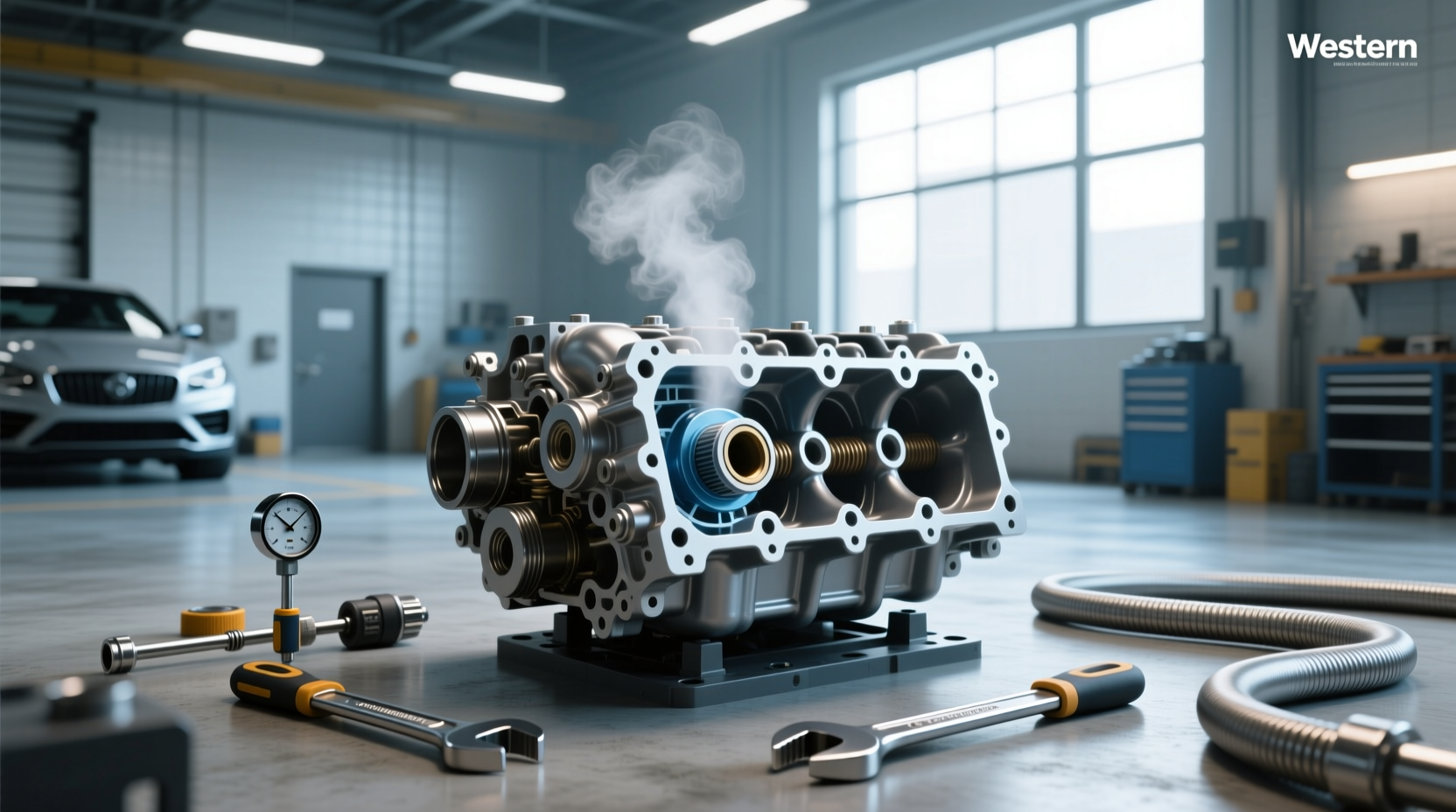
An engine water jacket plug, also known as a core plug or freeze plug, plays a critical role in maintaining the integrity of your vehicle's cooling system. These small metal discs are installed in cast holes in the engine block and cylinder head, sealing off passages that were used during manufacturing to remove sand from internal coolant channels 1. When functioning properly, they allow coolant to circulate through the water jackets—networks of passages surrounding combustion areas—to absorb heat and transfer it to the radiator for dissipation. A failed water jacket plug can lead to coolant leaks, engine overheating, and severe internal damage if not addressed promptly.
This comprehensive guide explains everything you need to know about engine water jacket plugs: their purpose, common failure symptoms, materials and types available, step-by-step replacement procedures, and how to avoid costly mistakes during maintenance. Whether you're diagnosing a mysterious coolant loss or planning preventive upkeep, understanding this often-overlooked component is essential for preserving engine longevity and performance.
What Does a Water Jacket Plug Do in an Engine?
The term 'engine water jacket' refers to the interconnected cavities within the engine block and cylinder head designed to carry coolant around high-heat zones such as cylinders and combustion chambers 2. During casting, sand cores shape these internal passages. Once the metal solidifies, the sand must be removed—this requires temporary access points. After cleaning, these openings are sealed with water jacket plugs.
Despite names like 'freeze plug,' these components aren't primarily designed to protect against freezing (though they may pop out under extreme ice expansion). Their main job is structural sealing. They maintain pressure within the cooling system, ensuring uninterrupted flow of coolant and preventing air pockets or leaks that could compromise thermal regulation.
Common Types of Engine Water Jacket Plugs
Not all water jacket plugs are created equal. Several designs exist based on location, material, and installation method:
- Disc-type (or cup-type) plugs: The most common variety, typically made from thin steel or stainless steel. Installed by pressing into a slightly undersized bore, creating a tight interference fit. As coolant heats up, the expanding metal enhances the seal.
- Expanding rubber plugs: Used in some modern engines, especially where space constraints limit access. These use a threaded center bolt that expands a rubber sleeve against the bore wall when tightened.
- Screw-in plugs: Found in certain aluminum blocks or heads, these resemble pipe plugs with threads and often include a sealing washer or O-ring.
- Flanged or stepped plugs: Designed for higher-pressure zones, these have a shoulder that seats against the block surface, offering better resistance to blowout.
Material choices include mild steel (prone to rust over time), stainless steel (more corrosion-resistant), and brass (used in marine applications due to superior saltwater tolerance).
| Type | Material | Installation Method | Lifespan | Best For |
|---|---|---|---|---|
| Disc/Cup | Steel, Stainless Steel | Press-fit | 8–15 years | Most passenger vehicles |
| Expanding Rubber | Rubber + Metal Center | Bolt-tightened | 10+ years | Tight-access areas |
| Screw-in | Brass, Steel | Threaded with Sealant | 12+ years | Aluminum blocks, performance builds |
| Flanged | Steel, Brass | Press or Bolt-on | 10–20 years | High-pressure zones |
Signs Your Water Jacket Plug Is Failing
Failing water jacket plugs don’t always announce themselves dramatically. However, several warning signs indicate potential issues:
- Coolant leakage near the engine block or head: Look for green, orange, or yellow stains (depending on coolant type) along the sides of the engine, particularly at lower points where plugs are commonly located.
- Low coolant level without visible external leak: If coolant disappears but no major hose or radiator leak is found, suspect a slow seepage from a corroded plug.
- Rust buildup around plug edges: Corrosion weakens the metal and compromises the seal, leading to eventual failure.
- Overheating episodes: While many factors cause overheating, a leaking plug reduces coolant volume, impairing heat transfer efficiency.
- Bubbling in radiator or overflow tank: In rare cases, a severely eroded plug may allow combustion gases to enter the cooling system, causing pressure fluctuations and bubbling.
It’s important to distinguish between a failing plug and other cooling system faults. For example, a cracked block might present similar symptoms but requires far more extensive repair. Visual inspection using a mirror and flashlight can help identify bulging, pitting, or moisture around suspected plugs.
Why Do Water Jacket Plugs Fail?
Several factors contribute to premature or unexpected plug failure:
- Corrosion: Electrolytic corrosion occurs when dissimilar metals interact in the presence of coolant, especially if old or improper coolant is used. This eats away at steel plugs over time.
- Poor coolant maintenance: Coolant degrades and loses its anti-corrosive properties after several years. Neglecting flush intervals accelerates internal rust formation.
- Improper installation: Over-driving a disc plug can distort its shape, breaking the seal. Under-driving leaves it vulnerable to vibration and pressure shifts.
- Freeze damage: In climates with sub-zero temperatures, insufficient antifreeze concentration can cause water to freeze and expand, forcing plugs outward.
- Vibration and thermal cycling: Constant heating and cooling cycles fatigue the metal, especially in older vehicles with high mileage.
Interestingly, some mechanics recommend replacing all accessible water jacket plugs during major engine work—even if they appear sound—because preventive replacement avoids future breakdowns and labor costs.
How to Replace a Water Jacket Plug: Step-by-Step
Replacing a failed plug is manageable for DIYers with basic tools, though accessibility varies greatly by engine design. Here’s a general procedure:
- Drain the cooling system: Locate the radiator drain valve or remove the lower radiator hose to empty coolant into a container. Properly dispose of old coolant per local regulations.
- Locate the faulty plug: Refer to a service manual for your vehicle make and model. Common locations include the side of the block, rear of the cylinder head, and valley areas in V-configurations.
- Remove the old plug: For disc types, carefully punch the center inward with a drift punch, then peel out the rim with pliers. Avoid damaging the bore edge. For screw-in types, unscrew using the appropriate wrench or socket.
- Clean the bore: Use a wire brush or emery cloth to remove rust and debris from the seating surface. Ensure the hole is round and smooth.
- Install the new plug: Lubricate the edge of a new disc plug with coolant or light oil. Tap it gently into place using a socket slightly smaller than the plug diameter. It should sit flush or slightly below the surface. For screw-in types, apply thread sealant before tightening.
- Refill and bleed the system: Reinstall hoses, refill with correct coolant mixture, and run the engine with the radiator cap off to purge air pockets.
- Check for leaks: Operate the engine until it reaches operating temperature, then inspect the repair site for any drips or seepage.
🔧 Tip: Always buy OEM-specified or high-quality aftermarket plugs. Cheap reproductions may have incorrect thickness or diameter tolerances, leading to early failure.
Can You Drive With a Leaking Water Jacket Plug?
Short-term driving with a minor leak may seem feasible, but it carries significant risk. Even a slow drip will eventually drop coolant levels enough to trigger overheating. Running an engine low on coolant causes uneven thermal expansion, potentially warping heads or cracking blocks. ⚠️ If you notice a leak, monitor coolant levels closely and plan for repair within days—not weeks.
Preventive Maintenance Tips
To extend the life of your water jacket plugs and entire cooling system:
- Follow manufacturer-recommended coolant change intervals (typically every 3–5 years).
- Use only specified coolant types (e.g., OAT, HOAT, IAT) to prevent chemical incompatibility.
- Inspect the cooling system annually during routine maintenance.
- Keep coolant concentration between 40–60% antifreeze to balance freeze protection and corrosion inhibition.
- Address overheating immediately—don’t assume it’s just a thermostat issue.
Myths About Water Jacket Plugs Debunked
Several misconceptions persist about these components:
- Myth: They’re only there to prevent freeze damage. Reality: While they may act as sacrificial release points in freezing conditions, their primary function is sealing casting holes.
- Myth: All plugs must be replaced every 10 years. Reality: Many last much longer, especially in well-maintained systems. Replacement should be condition-based, not calendar-driven.
- Myth: You can seal a leaking plug with stop-leak additives. Reality: These products may temporarily reduce seepage but won’t fix structural failure and can clog heater cores or radiators.
When to Seek Professional Help
While simple plug replacements are doable at home, consider professional assistance if:
- The plug is in a hard-to-reach location (e.g., behind exhaust manifolds).
- You suspect multiple failing plugs.
- There’s evidence of internal engine damage (milky oil, white exhaust smoke).
- Your vehicle has an aluminum block, which is more sensitive to improper tool use.
A qualified technician can perform a pressure test on the cooling system to confirm the source of a leak and advise whether additional components need attention.
Final Thoughts
The engine water jacket plug may be small, but its role in protecting your engine from thermal damage is vital. Understanding how it works, recognizing early signs of failure, and knowing when and how to replace it empowers you to maintain reliable vehicle operation. Regular cooling system checks and timely intervention can prevent minor issues from escalating into expensive repairs.
Frequently Asked Questions
- What is the difference between a core plug and a water jacket plug?
- A core plug and a water jacket plug are the same component—named for its function (sealing coolant passages) and origin (core removal during casting).
- Can a bad water jacket plug cause overheating?
- Yes. A leaking plug reduces coolant volume, impairing the system’s ability to regulate temperature, which can lead to overheating.
- How long does it take to replace a water jacket plug?
- For an accessible plug, expect 1–2 hours including draining and refilling coolant. Complex locations may require several hours due to disassembly needs.
- Do water jacket plugs come in standard sizes?
- No. Sizes vary by manufacturer and engine model. Always verify dimensions before purchase—common diameters range from 1 inch to 1.5 inches.
- Should I use sealant when installing a new water jacket plug?
- For press-fit disc plugs, sealant is usually unnecessary and can interfere with proper seating. For screw-in types, a small amount of thread sealant is recommended.





 浙公网安备
33010002000092号
浙公网安备
33010002000092号 浙B2-20120091-4