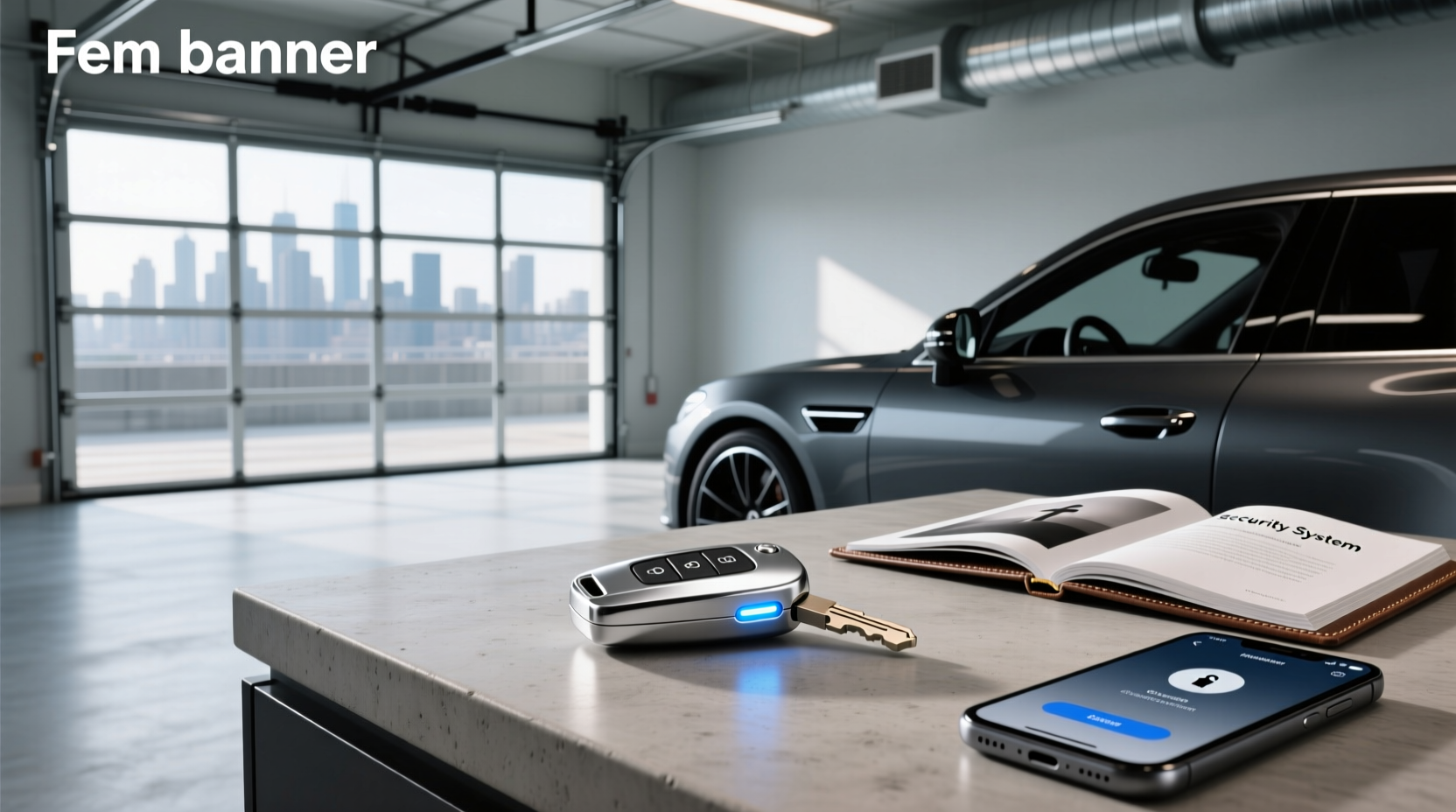
✅ If your car won’t start despite having the correct key, the issue may lie with the immobilizer key system—a critical anti-theft feature in most modern vehicles. An immobilizer key contains a transponder chip that communicates with your vehicle’s engine control unit (ECU) to verify authenticity before allowing the engine to start. Understanding how this system works, why it fails, and what to do when it does is essential for drivers facing no-start conditions, replacing lost keys, or installing aftermarket accessories like remote starters.
What Is an Immobilizer Key?
An immobilizer key is a type of automotive key embedded with a small electronic chip—commonly known as a transponder—that sends a unique coded signal to the vehicle’s immobilizer system. This system prevents unauthorized engine starts by disabling fuel and ignition systems unless the correct cryptographic code is received from the key.
Unlike traditional metal keys, which only mechanically interact with the lock cylinder, immobilizer keys add a digital security layer. When you insert and turn the key in the ignition, the vehicle’s antenna ring around the lock reads the chip’s ID. If the code matches one stored in the ECU, the engine can start. If not, the car remains ‘immobilized’—hence the name.
This technology has been standard in Europe since the early 2000s and in North America shortly after, significantly reducing vehicle theft rates 1.
How Does an Immobilizer Key Work?
The operation of an immobilizer key relies on radio frequency identification (RFID) principles:
- Power Activation: When inserted into the ignition, the car’s immobilizer antenna emits a low-frequency signal that powers the passive transponder chip inside the key.
- Code Transmission: The powered chip responds by transmitting its unique ID back to the vehicle’s receiver.
- Authentication: The ECU compares the received code against its list of authorized codes.
- Engine Enable: Only upon successful match will the ECU allow fuel injection and ignition systems to operate.
This entire process happens in less than a second and requires no battery in the key itself—making it both reliable and energy-efficient ⚡.
Different Types of Immobilizer Keys
Not all immobilizer keys are the same. They vary based on chip type, frequency, encryption level, and vehicle compatibility:
- Fixed-Code Transponders: Older models use simple, unchanging codes (e.g., Philips Crypto RFID chips like 12, 13, 40, 41, 42, 44). These are easier to clone but more vulnerable to relay attacks.
- Rolling Code / Encrypted Chips: Modern vehicles (especially BMW, Mercedes, Toyota with ID48, 8A, G chips) use encrypted rolling codes that change with each use, enhancing security.
- Smart Keys / Proximity Fobs: These contain immobilizer chips too, even though they don’t need insertion. The authentication occurs wirelessly within range.
🔧 Knowing your key type matters when duplicating, repairing, or troubleshooting. A mismatched chip—even if physically identical—won’t start the car.
Common Signs of Immobilizer Key or System Failure
When the immobilizer system malfunctions, symptoms often mimic other electrical issues. Recognizing these signs helps avoid misdiagnosis:
- 📌 Dashboard Light Stays On: A blinking or solid key-shaped warning light indicates communication failure between the key and ECU.
- 📌 Engine Cranks But Won’t Start: Fuel pump primes, starter turns, but engine dies immediately—classic sign of immobilizer blocking fuel delivery.
- 📌 Inconsistent Starting: Car starts sometimes but not others, especially in damp conditions (moisture affects chip signal).
- 📌 New Key Not Recognized: After cutting a new blank, the car refuses to accept it despite mechanical fit.
- 📌 Remote Functions Work But Engine Doesn’t Start: Fob unlocks doors, but turning the key yields nothing—points directly to immobilizer conflict.
These issues stem from various causes: damaged transponder chips, faulty antenna rings, corrupted ECU memory, or improper programming.
Can You Start a Car with a Non-Chip Key?
No—vehicles equipped with immobilizers cannot start using a non-transponder key, even if it fits mechanically. The ECU will detect the absence of a valid signal and cut power to essential components. Some older cars allow temporary bypass via dealer tools or OBD2 programming, but this isn’t feasible for daily use.
Replacing or Duplicating an Immobilizer Key
Losing your immobilizer key triggers immediate concern—and cost worries. Replacement involves two steps: physical duplication and electronic programming.
Step 1: Cut the Physical Key
A locksmith or dealership cuts the blade to match your locks. For high-security vehicles (e.g., Lexus, Audi), laser-cut keys require precise machinery.
Step 2: Program the Transponder Chip
This is where complexity arises. Programming methods depend on make, model, and year:
- Dealership Method: Uses factory diagnostic tools (e.g., Toyota Techstream, BMW ISTA) to register new keys via OBD2 port. Most secure, but expensive ($200–$500).
- Aftermarket Scan Tools: Devices like Autel MaxiIM, Xhorse Condor support many brands and allow key learning without VIN unlock fees. Requires technical skill.
- Self-Learning Procedures: Some vehicles (e.g., older Hondas, Toyotas) allow adding keys through ignition cycling sequences—but only if at least one working key exists.
⚠️ You cannot program a new immobilizer key without at least one recognized key already in the system unless using advanced tools or ECU reprogramming.
Cost Comparison: Where to Get a Replacement
| Option | Avg Cost (USD) | Time Required | Notes |
|---|---|---|---|
| Dealership | $200–$600 | 1–2 hours | Full warranty, OEM parts, highest reliability |
| Mobile Locksmith | $120–$250 | 30–60 mins | On-site service; verify tool capability first |
| DIY + Programmer | $80–$150 | 1–3 hours | Requires investment in tools; risk of lockout |
| eBay/Alibaba Blank + Local Cut | $20–$50 | N/A | Still requires programming—don’t skip this step! |
🛒 While online marketplaces offer cheap blanks, remember: the real expense lies in programming—not the metal.
Bypassing the Immobilizer: When and Why?
There are legitimate reasons to bypass an immobilizer system:
- 🚗 Installing a remote starter
- 🔧 Restoring a classic car with modern engine swap
- 🛠️ Repairing a failed ECU or antenna ring
- 🚚 Commercial fleet vehicles using push-button ignition conversions
A universal immobilizer bypass module simulates the presence of a valid key by storing an authenticated transponder chip near the ignition coil. Once programmed, it allows remote starters or button ignitions to function seamlessly.
🔧 Installation typically involves:
- Locating the ignition barrel antenna
- Wrapping the bypass module’s piggyback coil around it
- Connecting power and ground wires
- Programming the stored chip using a working key
While effective, improper installation can cause intermittent starting or drain the battery. Always test thoroughly before finalizing wiring.
Is It Legal to Bypass an Immobilizer?
Yes—owning or installing a bypass module is legal in most countries for personal use, provided the vehicle remains insured and you’re the owner. However, selling a car with disabled immobilizer may violate safety regulations in some regions (e.g., UK MOT standards).
How to Check If Your Car Has an Immobilizer
Most vehicles manufactured after 1998 in Europe and 2000 in North America have immobilizers. To confirm:
- 🔍 Look for a plastic-coated section on your key fob—this likely houses the transponder.
- 📘 Check the owner’s manual under “anti-theft system” or “security.”
- 📊 Search your VIN on manufacturer websites or databases like SRS-Airbag.co.uk.
- 🔌 Use an OBD2 scanner: If the immobilizer status shows active, your car has one.
You can also perform a quick test: remove the battery from the key fob (if smart key), then try starting. If it fails, the immobilizer is likely engaged.
Myths and Misconceptions About Immobilizer Keys
Despite widespread use, several myths persist:
❌ Myth: All Chip Keys Are the Same
No. Chips differ by frequency (125 kHz vs. 433 MHz), protocol (TK4, ID48, Megamos), and encryption. Using the wrong chip renders the key useless.
❌ Myth: I Can Copy My Key at Any Hardware Store
Basic key cutting yes—but programming? Unlikely. Most hardware stores lack transponder programming tools. Even if they duplicate the blade, the chip won’t work.
❌ Myth: Immobilizers Prevent All Theft
They reduce opportunistic theft dramatically but aren’t foolproof. Relay attacks, ECU cloning, and OBD2 port hacking remain risks, especially for luxury models.
❌ Myth: Immobilizer Chips Need Batteries
No—they’re passive RFID devices powered by the car’s antenna field. They last the life of the key unless physically damaged.
Tips for Maintaining Your Immobilizer Key
To extend lifespan and prevent failures:
- 🧼 Keep keys dry and away from magnets or strong electromagnetic fields.
- 📦 Avoid dropping or disassembling the key—chips are fragile.
- 🔋 Replace fob batteries regularly to ensure consistent signal transmission (for smart keys).
- 📎 Store spare keys separately in shielded pouches to block unauthorized scanning.
- 📋 Keep records of key IDs and programming dates for future reference.
Regional Differences in Immobilizer Standards
Regulations vary globally:
- 🌍 Europe: Mandated since 1998 under UNECE Regulation 97. Requires immobilizers on all new passenger vehicles.
- 🇺🇸 USA: No federal mandate, but NHTSA estimates over 95% of vehicles sold since 2000 include immobilizers due to insurance incentives.
- 🇦🇺 Australia: Compulsory since 2001 for all new vehicles.
- 🇯🇵 Japan: Widely adopted post-2000; many Japanese imports require specific JDM-compatible chips.
These differences affect spare key sourcing and repair options—especially when importing vehicles.
Frequently Asked Questions (FAQ)
- Can an immobilizer stop a car from starting?
- Yes. If the transponder chip isn't recognized, the ECU disables fuel and ignition systems, preventing the engine from starting even if the key turns.
- How do I know if my immobilizer key is failing?
- Look for a persistent key-shaped warning light, inconsistent starting, or sudden refusal to start despite using the original key. Testing with a second key helps isolate the issue.
- Can you remove or disable an immobilizer?
- Technically yes—with specialized tools or ECU reflashing—but not recommended. Disabling reduces resale value and may void insurance coverage in some regions.
- Where is the immobilizer chip located in the key?
- Inside the plastic head, usually near the bow. It's a small glass capsule or flat microchip. Never attempt to remove it unless replacing the housing.
- Do spare immobilizer keys need to be programmed?
- Yes. Every immobilizer key must be registered in the vehicle’s ECU. A cut-only key won’t start the car without proper programming.





 浙公网安备
33010002000092号
浙公网安备
33010002000092号 浙B2-20120091-4