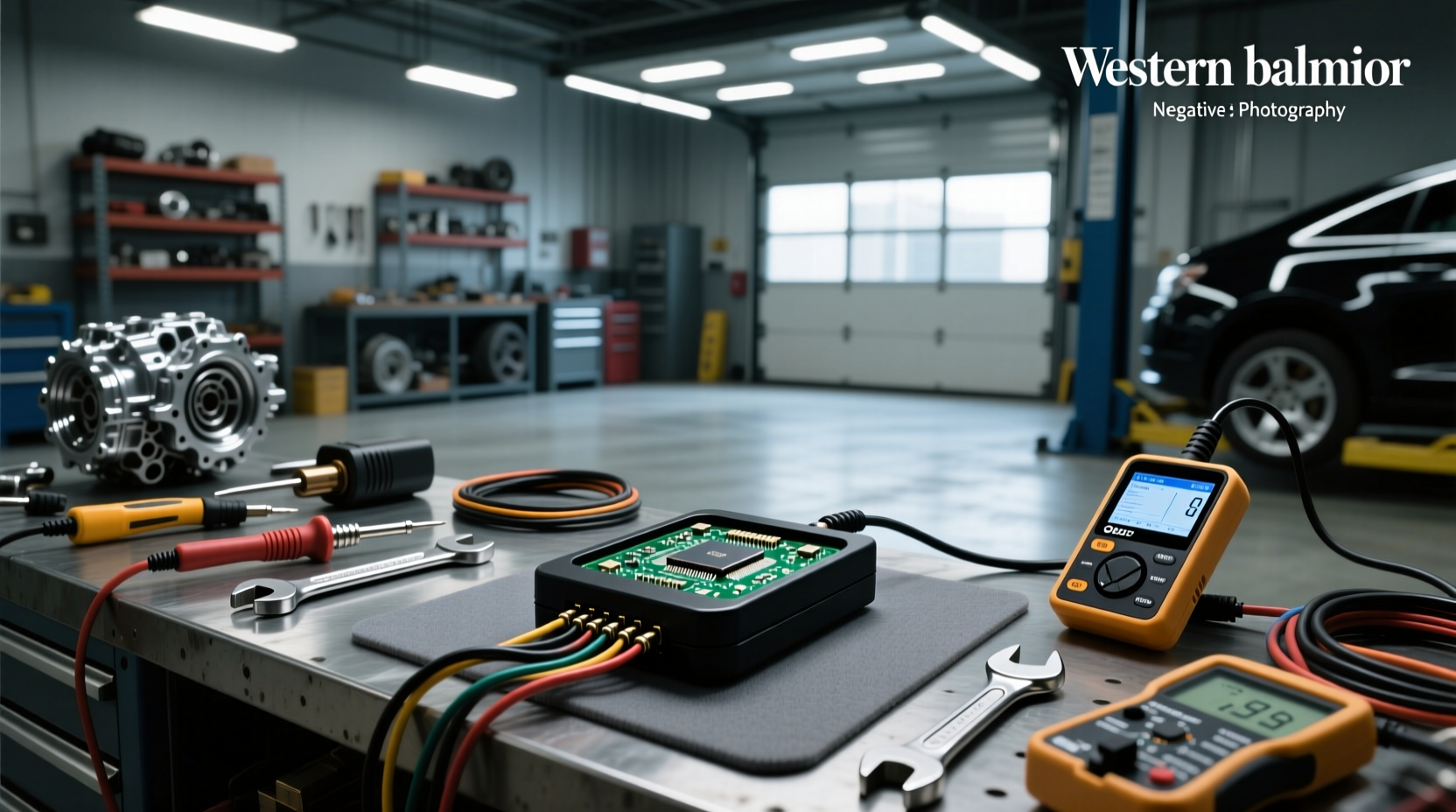
🔧 An immobilizer bypass module is a critical component for modern vehicle modifications—especially when adding remote start systems or replacing lost keys in cars manufactured after 1998. This small electronic device mimics the authentication signal of your original key’s transponder chip, allowing the engine control unit (ECU) to recognize the ignition attempt as legitimate. Without it, many aftermarket installations would fail due to factory anti-theft protections. In this guide, we’ll explain exactly what an immobilizer bypass module does, when you need one, how it integrates with your car’s security system, common installation pitfalls, and legal considerations across regions.
What Is an Immobilizer Bypass Module?
An immobilizer bypass module is an electronic interface designed to communicate with a vehicle’s built-in engine immobilizer system. Modern vehicles use transponder-equipped keys that send a unique encrypted code to the ECU upon insertion or within proximity (in push-to-start models). If the code doesn’t match, the engine won’t start—even if the mechanical key turns.
The bypass module stores a valid transponder signal from your original key and presents it automatically during startup sequences initiated by non-OEM methods, such as:
- Aftermarket remote starters ⚡
- Keyless entry systems ✨
- Replacement keys without full dealership programming 👥
- ECU swaps or engine conversions 🏭
It essentially acts as a 'trusted intermediary' between the vehicle’s security system and modified ignition inputs.
Why Do You Need an Immobilizer Bypass Module?
Cars produced after the mid-1990s increasingly adopted immobilizers as standard equipment to reduce theft. By 2000, over 90% of new vehicles in North America and Europe included them1. While effective for security, they complicate upgrades and repairs.
Here are the most common scenarios where an immobilizer bypass becomes necessary:
1. Installing a Remote Start System
Factory immobilizers prevent remote starting unless the physical key is present. Aftermarket remote starters require a way to authenticate the car during automatic startups. A bypass module provides that authentication silently and reliably.
2. Replacing Lost or Damaged Keys
If you lose all your original keys, reprogramming can be expensive at dealerships. Some DIY solutions involve using a bypass module to emulate the last known good transponder signal, especially when combined with ECU reflashing or second-hand modules from salvage yards.
3. Swapping ECUs or Engines
When upgrading or replacing an engine, the new ECU may not recognize existing keys. An immobilizer bypass can bridge compatibility gaps, particularly in tuner communities modifying older European or Japanese performance cars.
4. Adding Push-to-Start Functionality
Converting a keyed ignition system to a smart-key push-button start often requires fooling the immobilizer into thinking the correct key fob is inside the cabin. The bypass module handles this emulation.
How Does an Immobilizer Bypass Module Work?
⚙️ At its core, the module performs three functions:
- Detects ignition cycle initiation (e.g., remote start signal or button press)
- Transmits stored transponder code to the immobilizer reader coil near the ignition cylinder
- Waits for ECU confirmation before allowing fuel and spark delivery
Most modules come pre-programmed or require initial setup using one working key. During setup, the module reads and stores the rolling or fixed code emitted by the transponder. Once programmed, it replays this code whenever the vehicle attempts to start without the actual key present.
📌 Common types include:
- Universal modules: Compatible with multiple brands but may require manual configuration
- Vehicle-specific harnesses: Plug-and-play units tailored to make/model/year
- Programmable EEPROM-based units: Allow advanced users to write custom codes
Can You Install an Immobilizer Bypass Module Yourself?
⏱️ Yes—but success depends on technical skill, access to tools, and vehicle complexity. Many YouTube tutorials claim “bypass in under 10 minutes,” but real-world results vary significantly based on car model and wiring accessibility.
✅ Here’s what self-installation typically involves:
- Locate the immobilizer antenna ring around the ignition lock cylinder
- Identify power, ground, ignition sense, and data lines using a wiring diagram
- Splice or tap connections carefully to avoid damaging insulation
- Mount the module securely away from heat, moisture, and moving parts
- Program using a known-good key, following manufacturer instructions
❗ Risks of improper installation:
- Triggering permanent anti-theft lockouts
- Causing intermittent no-start conditions
- Voiding warranty or insurance coverage
- Creating electrical shorts or fire hazards
For complex vehicles (e.g., BMW, Mercedes, newer Fords), professional installation is strongly recommended due to encrypted protocols like CAN bus authentication and rolling codes.
Legal and Ethical Considerations
🌐 Laws regarding immobilizer modification vary widely by country:
| Region | Legality | Notes |
|---|---|---|
| United States | Generally permitted | Allowed for repair/modification; not for circumventing theft protection on stolen vehicles |
| Canada | Restricted | Requires proof of ownership; some provinces ban resale of bypassed vehicles |
| UK / EU | Limited | Modifying immobilizers may invalidate insurance; MOT testing checks factory security |
| Australia | Highly regulated | Must be installed by licensed auto electricians; logbooks required |
Always verify local regulations before purchasing or installing. Using a bypass module on a financed vehicle may also violate lender agreements.
Common Misconceptions About Immobilizer Bypass Modules
🔍 Despite growing popularity, several myths persist:
Misconception 1: It Disables the Entire Immobilizer
No—it emulates the key, not disables the system. The immobilizer remains active and monitors for unauthorized access attempts.
Misconception 2: It Makes Your Car Easier to Steal
When properly installed, risk doesn't increase significantly. The bypass only activates during authorized remote starts or programmed events. Physical access still requires door unlocking via key or fob.
Misconception 3: All Modules Are Interchangeable
❌ False. Protocols differ between manufacturers (e.g., Toyota Techstream vs. Ford PATS vs. VW ID4). Using the wrong module leads to failure or damage.
Misconception 4: You Can Bypass Without Any Original Key
In most cases, you need at least one working transponder key to program the module. No-key programming usually requires specialized diagnostic tools or ECU rewrites.
Alternatives to Using a Bypass Module
If you're hesitant about modifying your immobilizer system, consider these alternatives:
Dealership Key Programming
While more expensive ($150–$400 per key), dealerships can add new keys using OEM software, preserving factory security intact.
OEM Remote Start Systems
Many automakers offer factory-approved remote start kits that integrate directly with the immobilizer, eliminating the need for third-party bypass hardware.
Smart Relays Instead of Full Bypass
Some modern alarm systems use smart relays that work alongside the immobilizer rather than bypassing it, reducing compatibility issues.
Troubleshooting Common Issues
🛠️ Even well-installed modules can develop problems. Here are frequent symptoms and fixes:
- Engine cranks but won’t start: Check if the module is receiving power and transmitting the signal. Verify antenna coil connection.
- Intermittent starting: Could indicate poor grounding or electromagnetic interference. Relocate the module if near high-current wires.
- Security light stays on: Suggests failed handshake. Reprogram the module or inspect wiring integrity.
- Remote start fails after battery disconnect: Some modules lose memory; reprogram after any power interruption.
Choosing the Right Module: Key Factors
📋 Before buying, evaluate these criteria:
Vehicle Compatibility
Ensure the module supports your make, model, year, and engine type. Some units support only specific immobilizer versions (e.g., 46-chip, 70-bit encryption).
Programming Method
Look for modules with clear, documented procedures. Avoid those requiring obscure software or dongles.
Reliability & Build Quality
Check for conformal coating (moisture resistance), solid solder joints, and durable connectors.
Support & Documentation
Modules with detailed PDF manuals, wiring diagrams, and responsive tech support save time and frustration.
When NOT to Use an Immobilizer Bypass Module
🚫 There are situations where installation is ill-advised:
- Your vehicle is under factory warranty
- You lack at least one working transponder key
- Local laws prohibit immobilizer modifications
- The ECU uses advanced encryption (e.g., rolling codes, challenge-response protocols)
- You’re not prepared to troubleshoot potential startup issues
In such cases, consult a certified technician or explore OEM-supported solutions instead.
Final Thoughts
An immobilizer bypass module is a powerful tool for enabling convenience features and repairing lost-key scenarios—but it’s not a universal fix. Success hinges on understanding your vehicle’s specific immobilizer architecture, adhering to legal standards, and executing precise installation. For DIYers, thorough research and patience are essential. For others, professional assistance ensures reliability and avoids costly mistakes.
Frequently Asked Questions
- Can I bypass the immobilizer without a working key?
- No, most bypass modules require at least one functioning transponder key to read and store the authentication code. Exceptions exist for advanced tools used by locksmiths or dealers.
- Will an immobilizer bypass module void my car’s warranty?
- Possibly. Any modification to factory electronics may give manufacturers grounds to deny warranty claims related to the powertrain or security systems.
- Do I need a bypass module for every remote start installation?
- Yes, if your vehicle has a factory immobilizer (most do post-1998). Without a bypass, the engine will crank but not receive fuel or spark.
- Are immobilizer bypass modules detectable during inspections?
- In some countries (like the UK), modified security systems can be flagged during mandatory safety tests (e.g., MOT), potentially leading to failure.
- Can a bypass module fail over time?
- Yes. Like any electronic component, they can suffer from voltage spikes, moisture ingress, or firmware corruption, especially in harsh environments.





 浙公网安备
33010002000092号
浙公网安备
33010002000092号 浙B2-20120091-4