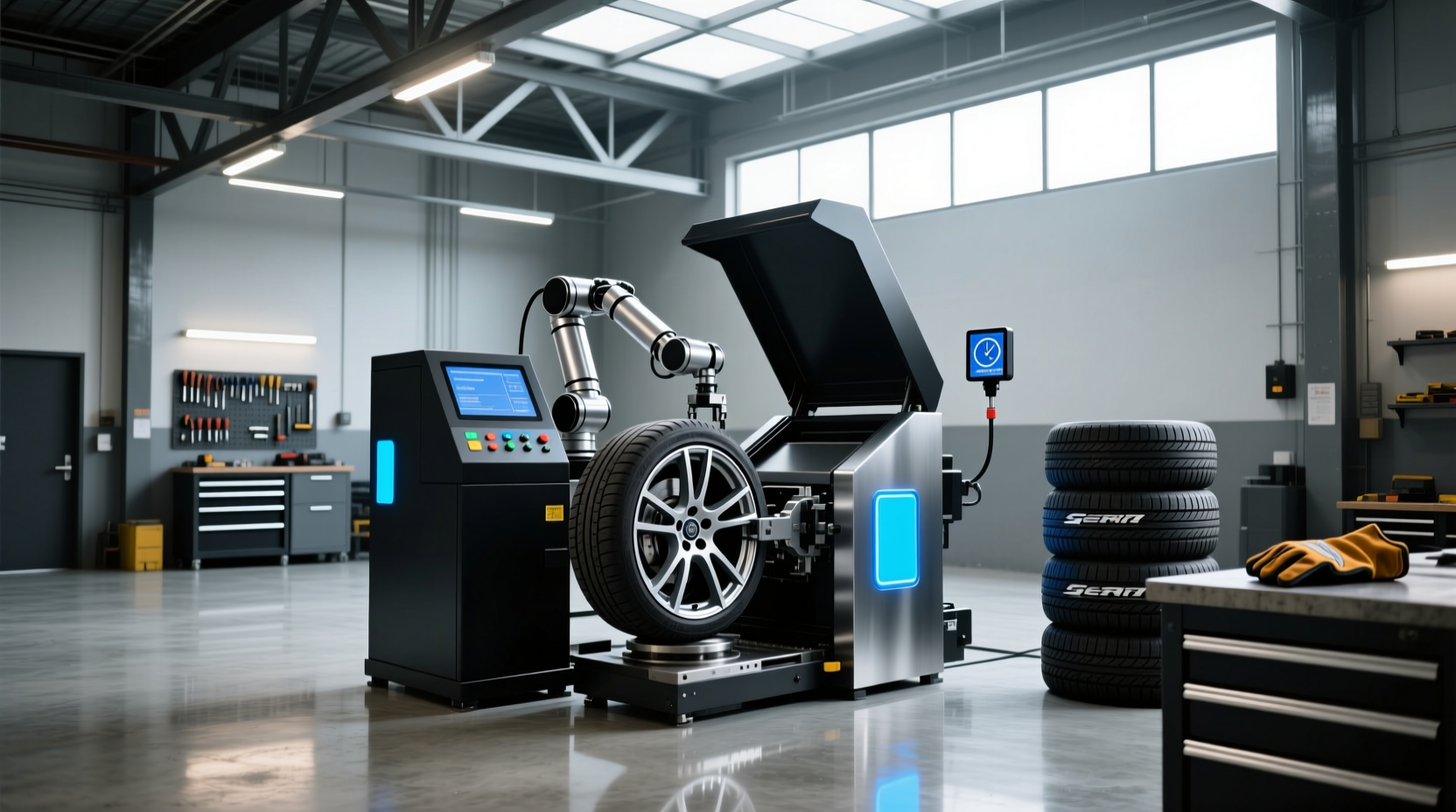
When it comes to maximizing productivity in a modern automotive workshop, investing in the right equipment is essential. One of the most impactful upgrades a tire shop or service center can make is adopting an automatic tyre changer machine. These advanced systems streamline the tire mounting and demounting process, significantly reducing labor time, minimizing rim damage, and improving technician safety. Unlike manual or semi-automatic models, fully automatic tyre changers integrate intelligent controls, precision clamping mechanisms, and automated tool arms that handle the entire process with minimal human intervention ⚙️.
This comprehensive guide explores everything you need to know about automatic tyre changer machines — from how they work and their core components, to the benefits they offer over traditional methods. We’ll compare different types of machines (including leverless, center-clamp, and table-top variants), examine key performance indicators like compatibility with tire sizes and rim protection features, and highlight critical factors to consider before purchasing. Whether you're managing a high-volume commercial fleet facility or upgrading a local garage, understanding the capabilities and limitations of these machines is crucial for making an informed decision ✅.
How Does an Automatic Tyre Changer Machine Work?
An automatic tyre changer machine automates the entire tire mounting and dismounting cycle using programmable logic controllers (PLCs) and motorized tool carriers. Once the wheel is secured onto the machine via a center-clamp or bolt-pattern adapter, the operator inputs the tire size or selects a pre-programmed profile. The system then initiates a sequence that includes:
- Automated bead breaking using pneumatic or hydraulic pressure ⚡
- Controlled rotation of the wheel during demounting
- Precise positioning of the mounting head without manual adjustment
- Self-guided insertion of the tire bead over the rim flange
- Completion of mounting with consistent force application
The level of automation varies between models. Some systems require the technician to position the tire initially but take over all mechanical actions afterward. Others, particularly high-end industrial units, feature robotic arms and vision sensors that detect rim dimensions and adjust parameters in real time 🌐. This reduces setup errors and ensures compatibility across a wide range of passenger, SUV, and light truck tires.
Key Components of Modern Automatic Tyre Changers
To evaluate whether a particular model suits your operational needs, it's important to understand its core components and how they contribute to performance.
1. Clamping System ⚙️
The clamping mechanism secures the wheel during operation. Most automatic models use a center-clamp design, which grips the hub bore rather than the outer rim edges. This protects expensive alloy wheels from scratches and deformation. Advanced systems include self-centering jaws that adapt to various hub diameters automatically.
2. Tool Arm and Mounting Head
The tool arm houses the mounting/demounting spoon and rotates around the wheel. In fully automatic changers, this arm moves along a guided track with variable speed control, ensuring smooth engagement with the tire bead. Leverless designs eliminate metal levers that can gouge rims, instead relying on rubber-coated fingers or rotating discs to guide the tire on and off safely 🔧.
3. Bead Press and Breaker Mechanism
Bead pressing applies downward force to seat the tire bead against the rim before inflation. An integrated bead breaker uses a horizontal or vertical ram to separate the tire from the rim edge. High-pressure air-assisted systems enhance this function, especially for stiff sidewall tires commonly found on trucks or performance vehicles.
4. Control Panel and Software Interface
A touchscreen interface allows operators to select tire profiles, save custom settings, and monitor cycle progress. Many newer models support firmware updates and diagnostics through USB or network connections. Error alerts help prevent incorrect setups that could damage tires or equipment.
5. Air Motor and Power Supply
Most automatic tyre changers run on compressed air (typically 8–10 bar). Units with air motors provide smoother torque delivery compared to electric drives. Ensuring adequate airflow capacity at the workstation is critical — undersized compressors can lead to inconsistent performance or incomplete cycles ⏱️.
Types of Automatic Tyre Changer Machines
Not all automatic tyre changers are created equal. Understanding the differences helps match the machine to your shop’s volume, vehicle mix, and technician skill level.
| Type | Automation Level | Ideal For | Limits |
|---|---|---|---|
| Fully Automatic | High – minimal user input after setup | High-volume shops, commercial fleets | Higher cost; requires trained staff |
| Semi-Automatic | Medium – user guides tool arm manually | General repair shops, mid-tier dealerships | Slower than full auto; more physical effort |
| Leverless Automatic | High – no metal levers used | Premium alloy wheels, EVs, luxury brands | Limited effectiveness on very tight-fit tires |
| Truck & OTR Automatic | Variable – often hybrid manual/auto | Fleet maintenance, mining, agriculture | Bulkier footprint; higher air demand |
Benefits of Using an Automatic Tyre Changer
Switching from manual or semi-automatic systems to a fully automatic tyre changer offers measurable advantages:
⏱️ Increased Efficiency and Throughput
Automatic changers reduce average tire change time by up to 40% compared to manual methods. With consistent cycle times and fewer interruptions, technicians can service more vehicles per shift. This directly impacts revenue potential, especially during peak seasons like winter tire swaps.
🔧 Reduced Risk of Rim Damage
Alloy and custom wheels are prone to scuffing when handled with improper tools. Automatic systems apply controlled pressure and use non-metallic contact points, drastically lowering the chance of cosmetic or structural damage. This reduces liability and customer disputes over damaged rims.
👥 Improved Technician Safety
Repetitive strain injuries are common among tire technicians due to awkward postures and excessive force application. Automated machines eliminate the need for pry bars and heavy lifting, reducing workplace injury risks and associated downtime.
📈 Consistent Quality Across Operators
Even experienced technicians may vary in technique. Automatic changers standardize procedures, ensuring every tire is mounted with the same precision regardless of who operates the machine. This consistency improves customer satisfaction and reduces rework.
Who Should Invest in an Automatic Tyre Changer?
While beneficial in many contexts, automatic tyre changers aren't always the best fit for every business. Consider the following scenarios:
- ✅ Ideal Users: High-volume tire centers, OEM dealerships, commercial fleet garages, and premium service providers handling luxury or electric vehicles.
- 🔶 Conditional Fit: Small independent shops with moderate throughput may find semi-automatic models more cost-effective.
- ❌ Not Recommended: Occasional DIY users or very low-volume operations where return on investment would take years.
Workshops changing over 15–20 tires per day typically see payback within 12–18 months due to labor savings and reduced consumable waste (e.g., damaged valves or TPMS sensors).
Key Buying Considerations Before Purchasing
Selecting the right automatic tyre changer involves evaluating several technical and operational factors.
📏 Compatibility with Tire and Rim Sizes
Verify the machine supports the full range of tires your shop services — from compact car tires (e.g., 14”) to large SUVs and light trucks (up to 24”). Check maximum tire width and diameter specifications. Some models struggle with ultra-low-profile tires or run-flat designs due to stiff sidewalls.
🛠️ Ease of Maintenance and Service Support
Complex automation means more potential failure points. Look for models with modular components, readily available spare parts, and accessible service documentation. Manufacturers based in Europe or North America often offer better local support than overseas suppliers.
🌐 Integration with Workshop Workflow
Consider how the machine fits into your bay layout. Will it require floor anchoring? Does it need dedicated air lines or electrical circuits? Can it be operated safely alongside other equipment? Measure clearance zones and plan workflow paths accordingly.
💰 Total Cost of Ownership
Beyond the purchase price, account for installation, training, ongoing maintenance, and energy consumption. While some imported models appear cheaper upfront, hidden costs like shipping delays, import duties, or lack of warranty coverage can offset initial savings 📊.
Common Misconceptions About Automatic Tyre Changers
Despite growing adoption, several myths persist:
- Misconception: "Automatic means zero skill required."
Reality: Proper setup, including correct clamp selection and bead lubrication, still depends on trained operators. - Misconception: "They work perfectly on all tire types."
Reality: Extremely tight beads (common in agricultural or OTR tires) may still require manual assistance even on high-end automatics. - Misconception: "All automatic changers are leverless."
Reality: Some models retain traditional levers but automate their movement — true leverless systems use alternative techniques to avoid rim contact.
Regional Differences and Market Trends (2024)
In Europe, stricter occupational safety regulations have accelerated the shift toward automated solutions. Italian manufacturers like Giuliano and Ravaglioli dominate the mid-to-high-end segment, emphasizing precision engineering and durability 1. In North America, brands such as Rotary Solutions and Hunter Engineering focus on ruggedness and integration with balancing systems 2.
Meanwhile, global marketplaces like Alibaba.com list numerous CE-certified automatic tyre changers from Asian suppliers, appealing to budget-conscious buyers 3. However, long-term reliability and after-sales service remain concerns for some imported units, especially those lacking local distributor networks.
Preparing Your Workshop for Automation
Before installing an automatic tyre changer, ensure your facility meets basic requirements:
- Air Supply: Minimum 8 bar (116 psi) at 200 L/min flow rate
- Floor Space: Allow at least 1.5 meters clearance around the unit
- Power: Stable voltage if using hybrid electro-pneumatic controls
- Training: Schedule operator familiarization sessions before full deployment
Conduct a trial run with representative tire types to validate performance under real-world conditions. Document cycle times and any issues encountered during testing.
Conclusion: Is an Automatic Tyre Changer Worth It?
For most professional workshops aiming to improve efficiency, reduce errors, and future-proof their operations, the answer is increasingly yes. An automatic tyre changer machine represents a strategic investment that pays off through faster service, improved safety, and enhanced customer trust. However, success depends not just on the machine itself, but on proper selection, installation, and ongoing maintenance.
Focus on models that align with your actual workload, prioritize ease of use and serviceability, and verify compatibility with your most common tire types. Avoid being swayed solely by price or marketing claims — instead, assess total value over time. By doing so, you’ll maximize both performance and return on investment.
Frequently Asked Questions
Can an automatic tyre changer handle run-flat tires?
Yes, most modern automatic tyre changers can handle run-flat tires, though extra care is needed due to their reinforced sidewalls. Using proper lubrication and selecting the correct program setting is essential to avoid damaging the tire or rim.
Do automatic tyre changers require special training?
While not overly complex, operators should receive formal training to understand safety protocols, correct setup procedures, and troubleshooting steps. Improper use can lead to equipment damage or personal injury.
Are automatic tyre changers suitable for truck tires?
Some models are designed specifically for commercial truck and OTR applications, but standard passenger automatic changers may lack the power and grip strength needed for larger, heavier tires. Always check manufacturer specifications before attempting to mount truck tires.
How much does an automatic tyre changer cost?
Prices vary widely based on automation level and brand. Entry-level semi-automatic units start around $3,000 USD, while fully automatic industrial models can exceed $15,000 USD, especially with added features like leverless technology or digital diagnostics.
What maintenance does an automatic tyre changer need?
Regular maintenance includes checking air filters, lubricating moving parts, inspecting seals and hoses for wear, and calibrating sensors periodically. Following the manufacturer’s service schedule helps prevent unexpected breakdowns.





 浙公网安备
33010002000092号
浙公网安备
33010002000092号 浙B2-20120091-4