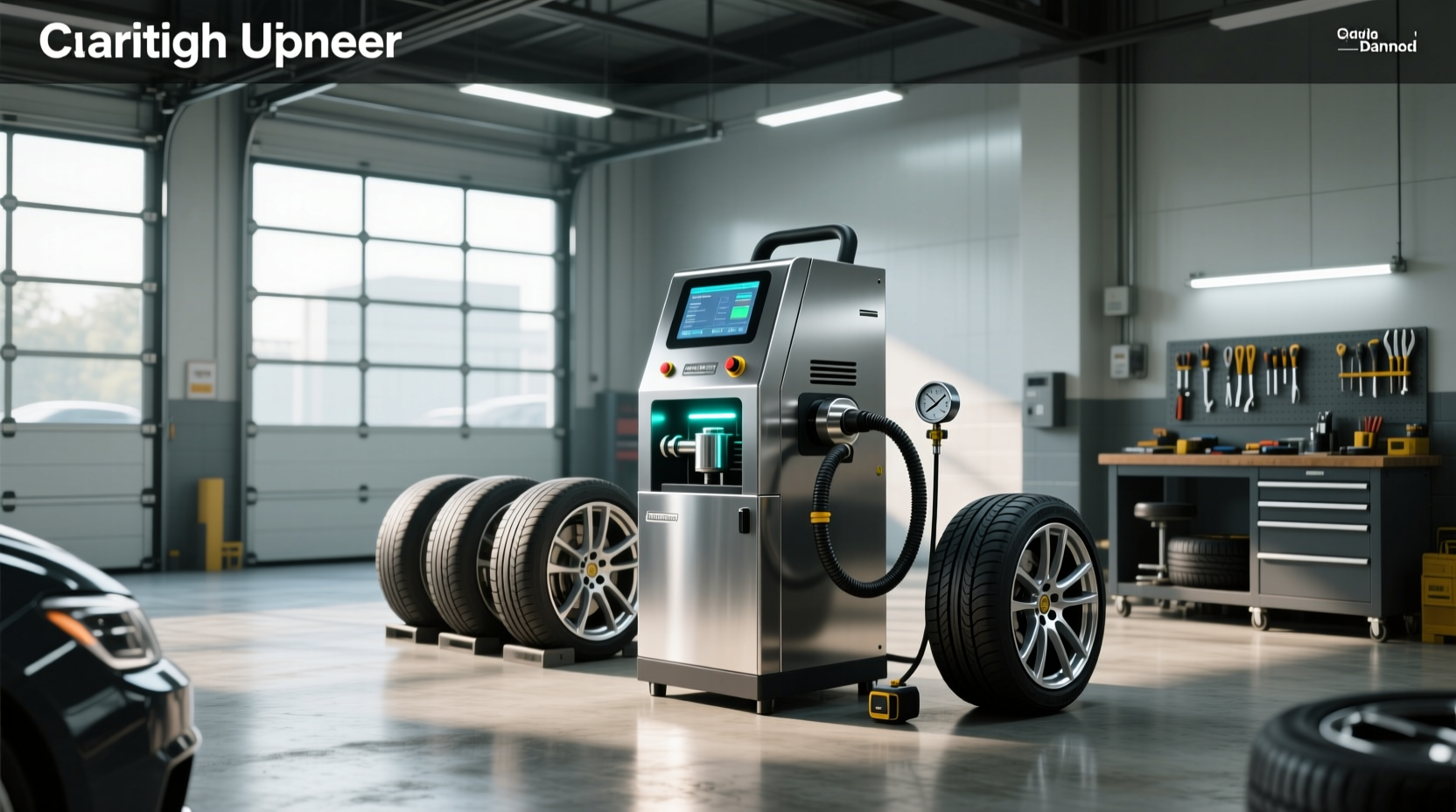
For automotive professionals and fleet operators, maintaining correct tyre pressure isn't just about performance—it's a critical safety and cost-saving measure. An automatic tyre inflator machine offers a precise, efficient solution for consistent inflation across vehicles, from passenger cars to commercial fleets. These systems eliminate human error, reduce air waste, and streamline operations in high-volume environments like garages, tire service centers, and rental car facilities ✅.
What Is an Automatic Tyre Inflator Machine?
An automatic tyre inflator machine is a digital inflation system designed to fill tyres to a preset pressure without manual monitoring. Once connected to the valve, it automatically stops when the desired PSI or BAR level is reached ⚙️. Unlike basic air compressors with analog gauges, these units feature microprocessor controls, digital displays, and programmable settings for different vehicle types—motorcycle, car, SUV, or light truck.
Most models are wall-mounted to save floor space and integrate into existing workshop layouts 📍. They connect directly to a central compressed air supply, making them ideal for professional environments where speed, accuracy, and durability matter. Some advanced versions support dual-pressure modes, swivel nozzles, and even Bluetooth connectivity for data logging.
How Does an Automatic Tyre Inflator Work?
The operation of an automatic tyre inflator machine follows a simple but intelligent process:
- Set Desired Pressure: Using a keypad or dial, the user inputs the target pressure (e.g., 32 PSI).
- Attach Inflation Hose: The hose is connected to the tyre valve stem.
- Initiate Inflation: Pressing a button or pulling a trigger starts airflow.
- Auto-Shutoff: A built-in sensor monitors pressure in real time and cuts off air once the set point is reached ✨.
This automation reduces overinflation risks and ensures consistency—especially valuable when servicing multiple vehicles daily. Because the system uses feedback from precision sensors, it avoids common issues like gauge lag or operator fatigue that plague manual methods.
| Feature | Manual Air Compressor | Automatic Tyre Inflator Machine |
|---|---|---|
| Pressure Accuracy | Moderate (analog gauge variance) | High (digital sensor ±1%) |
| User Input Required | Continuous monitoring needed | Set and forget |
| Air Waste | Common due to overfilling | Minimized by auto-shutoff |
| Installation Type | Portable or benchtop | Wall-mounted or floor-standing |
| Ideal For | Home garages, occasional use | Workshops, fuel stations, rental fleets |
Key Benefits of Using an Automatic Tyre Inflator System
Why do professional service centers increasingly adopt automatic tyre inflators? The answer lies in measurable operational improvements:
✅ Improved Accuracy and Consistency
Digital sensors provide repeatable readings within ±1% of the target pressure. This precision helps maintain OEM specifications, which is crucial for tire longevity, fuel economy, and handling safety 🔍.
⏱️ Time Efficiency in High-Volume Settings
In a busy garage or lube center, every minute counts. With automatic shutoff, technicians don’t need to watch gauges or recheck pressures manually. One study found that automated systems reduced average inflation time per vehicle by up to 40% compared to traditional compressors 1.
🔧 Reduced Wear on Compressed Air Systems
Because automatic inflators stop precisely at the target pressure, they minimize unnecessary air discharge. This lowers demand on the main compressor, reducing energy consumption and extending equipment lifespan ⚡.
🏭 Space-Saving Wall-Mounted Design
Many models are designed for wall mounting, freeing up valuable floor space in crowded workshops. Swivel joints and retractable hoses improve ergonomics and accessibility across different vehicle positions 🌐.
🧰 Durability in Industrial Environments
Units used in commercial settings often feature rugged enclosures made from die-cast aluminum or impact-resistant ABS plastic. These materials resist oil, moisture, and physical impacts common in mechanical bays.
Types of Automatic Tyre Inflator Machines
Not all automatic inflators are the same. Understanding the variations helps match the right unit to your environment.
Wall-Mounted Digital Tyre Inflators
These are the most common type found in workshops and service stations. Mounted securely on walls, they connect to overhead air lines and offer preset pressure options. Examples include the Airtec Corporation series and ATS ELGI D-series units. Features often include:
- Digital LED or LCD display
- Programmable presets for car/motorcycle/SUV
- Swivel nozzle (up to 120°) for easier access
- Overpressure protection
Floor-Standing or Pedestal Models
Built for heavy-duty applications, these freestanding units are common in truck depots or large fleet maintenance facilities. They may include larger air reservoirs, dual-hose setups, or foot pedal activation. While more expensive, they offer greater flexibility in placement and higher flow rates.
Handheld Automatic Inflators
Less common but growing in popularity, handheld digital inflators combine portability with auto-shutoff functionality. Powered by battery or shop power, they’re useful for spot checks or mobile service teams. However, they lack the integration and durability of fixed systems.
Common Applications and Industries That Benefit
Automatic tyre inflator machines aren’t just for mechanics—they serve a range of industries where consistent tyre pressure is essential:
🚗 Tire Service Centers & Quick Lube Shops
Routine maintenance includes checking and adjusting tyre pressure. Automated systems ensure compliance with manufacturer specs and reduce liability from under/overinflation.
⛽ Fuel Filling Stations
Modern gas stations are adding digital inflators as value-added services. Customers appreciate accurate, easy-to-use machines, while station owners benefit from increased dwell time and customer satisfaction.
🏢 Rental Car Facilities
Fleets undergo constant turnover. Each returned vehicle must be inspected and serviced quickly. Automatic inflators help standardize prep procedures and reduce turnaround time.
🚌 Bus Depots and Commercial Fleets
Large vehicles require specific inflation protocols. Programmable inflators can store multiple profiles, ensuring buses, delivery vans, or shuttles receive correct pressures without guesswork.
🔧 Motorcycle and Specialty Vehicle Workshops
Smaller tyres demand greater precision. Even slight overinflation can damage lightweight rims. Digital control allows fine-tuned adjustments critical for two-wheelers and performance bikes.
Important Features to Consider When Evaluating Units
When selecting an automatic tyre inflator machine, focus on functional attributes rather than brand names. Key decision factors include:
📏 Pressure Range and Vehicle Compatibility
Ensure the unit supports the full range of pressures needed—from low (e.g., 15 PSI for some motorcycles) to high (up to 60+ PSI for certain SUVs or trailers). Check whether it includes pre-programmed modes or allows custom input.
🔌 Power and Air Supply Requirements
Most automatic inflators run on shop-compressed air (typically 90–120 PSI input). Confirm compatibility with your existing system. Electrical requirements vary; some models need 110V for internal electronics, while others operate purely pneumatically.
📱 Digital Interface and Usability
A clear, backlit display improves usability in dimly lit bays. Look for intuitive buttons or dials. Advanced models may offer password protection, usage logs, or remote diagnostics via network connection.
🔄 Hose Length and Nozzle Flexibility
A minimum 6-foot hose allows access to all four wheels without moving the unit. A swiveling connector reduces strain and prevents kinking during repeated use.
🛡️ Build Quality and Environmental Resistance
In industrial settings, dust, oil, and temperature swings are common. Units with IP-rated enclosures or corrosion-resistant finishes last longer and require less maintenance.
Installation and Setup Best Practices
Proper installation ensures long-term reliability and safe operation:
- Mounting Height: Install at waist to chest level for ergonomic access.
- Air Line Filtration: Use inline filters and regulators to prevent moisture and debris from entering the inflator’s internal components.
- Regular Calibration: Sensors can drift over time. Follow manufacturer guidelines for periodic recalibration (typically annually).
- Labeling: Post instructions near the unit to guide temporary staff or customers using self-service stations.
Limitations and Misconceptions
Despite their advantages, automatic tyre inflators aren't universally suitable:
❌ Not Ideal for Home Garages (In Most Cases)
For personal use, simpler handheld digital gauges or portable compressors are more cost-effective. Unless you're managing a multi-vehicle household or restoring classics regularly, the investment may not justify the return.
❗ Requires Stable Compressed Air Source
These machines depend on consistent line pressure. If your compressor cycles frequently or lacks storage capacity, performance may suffer. Consider upgrading your air system before installing automated inflators.
🔍 Doesn't Replace Full TPMS Diagnostics
While automatic inflators maintain pressure, they don't diagnose slow leaks, faulty sensors, or seal issues. Always pair use with visual inspections and proper diagnostic tools.
Regional Differences and Standards
Specifications and expectations vary globally:
- Europe: Emphasis on energy efficiency and CE marking. Many units include metric-only readouts (BAR), though dual-scale models exist.
- North America: Preference for PSI units and UL/CSA certification. Integration with OSHA-compliant workshop standards is common.
- Asia-Pacific: Growing adoption in urban service centers. Compact designs favored due to smaller shop footprints.
If sourcing internationally, verify voltage compatibility, plug types, and regulatory certifications before purchase.
Cost vs. Value: Is an Automatic Tyre Inflator Worth It?
Pricing varies widely based on build quality and features:
- Entry-level wall-mounted units: $250–$400
- Midspec with programmable memory: $400–$600
- Industrial-grade or dual-station systems: $700+
For businesses performing 10+ tyre services per day, the ROI comes from faster service times, fewer errors, and improved customer trust. For lower-volume users, the break-even point may take years.
Alternatives to Fully Automatic Systems
If full automation isn't feasible, consider these alternatives:
- Digital Air Compressors with Auto-Stop: Portable units with similar functionality but less robust construction.
- Tyre Inflation Kits with Gauges: Manual hoses paired with high-accuracy digital gauges.
- Smart Fill Systems: Retrofit modules that add auto-shutoff capability to existing compressors.
Maintenance Tips for Longevity
To keep your automatic tyre inflator machine operating reliably:
- Clean the display and housing weekly with a dry cloth.
- Inspect hoses monthly for cracks or leaks.
- Drain air lines regularly to remove condensation.
- Test calibration quarterly using a certified reference gauge.
- Replace worn seals or O-rings as recommended by the manufacturer.
Final Thoughts: Who Should Invest?
An automatic tyre inflator machine makes sense if you:
- Service multiple vehicles daily
- Need consistent, auditable inflation records
- Want to reduce labor time and human error
- Operate in a professional setting with adequate air infrastructure
It’s not a necessity for DIY enthusiasts or infrequent users. But for anyone running a commercial operation where precision and throughput matter, this tool delivers tangible benefits in safety, efficiency, and professionalism.
Frequently Asked Questions (FAQs)
- Can I install an automatic tyre inflator machine myself?
- Yes, many wall-mounted models come with mounting brackets and clear instructions. However, connecting to a compressed air line may require a licensed technician, especially if new piping is involved.
- Do automatic tyre inflators work with TPMS-equipped vehicles?
- Yes, they do not interfere with tyre pressure monitoring systems. However, resetting TPMS alerts after inflation must be done separately through the vehicle’s onboard system.
- How accurate are automatic tyre inflator machines?
- Most units are accurate within ±1% of the set pressure, thanks to digital sensors. Regular calibration maintains this accuracy over time.
- Are there energy savings with automatic inflators?
- Yes—by stopping airflow precisely at the target pressure, they reduce wasted air and lower demand on the main compressor, leading to indirect energy savings.
- Can I use an automatic inflator for bicycle or motorcycle tyres?
- Yes, provided the pressure range matches. Some models allow fine adjustments down to 10–15 PSI, suitable for two-wheelers and bicycles with Schrader valves.





 浙公网安备
33010002000092号
浙公网安备
33010002000092号 浙B2-20120091-4