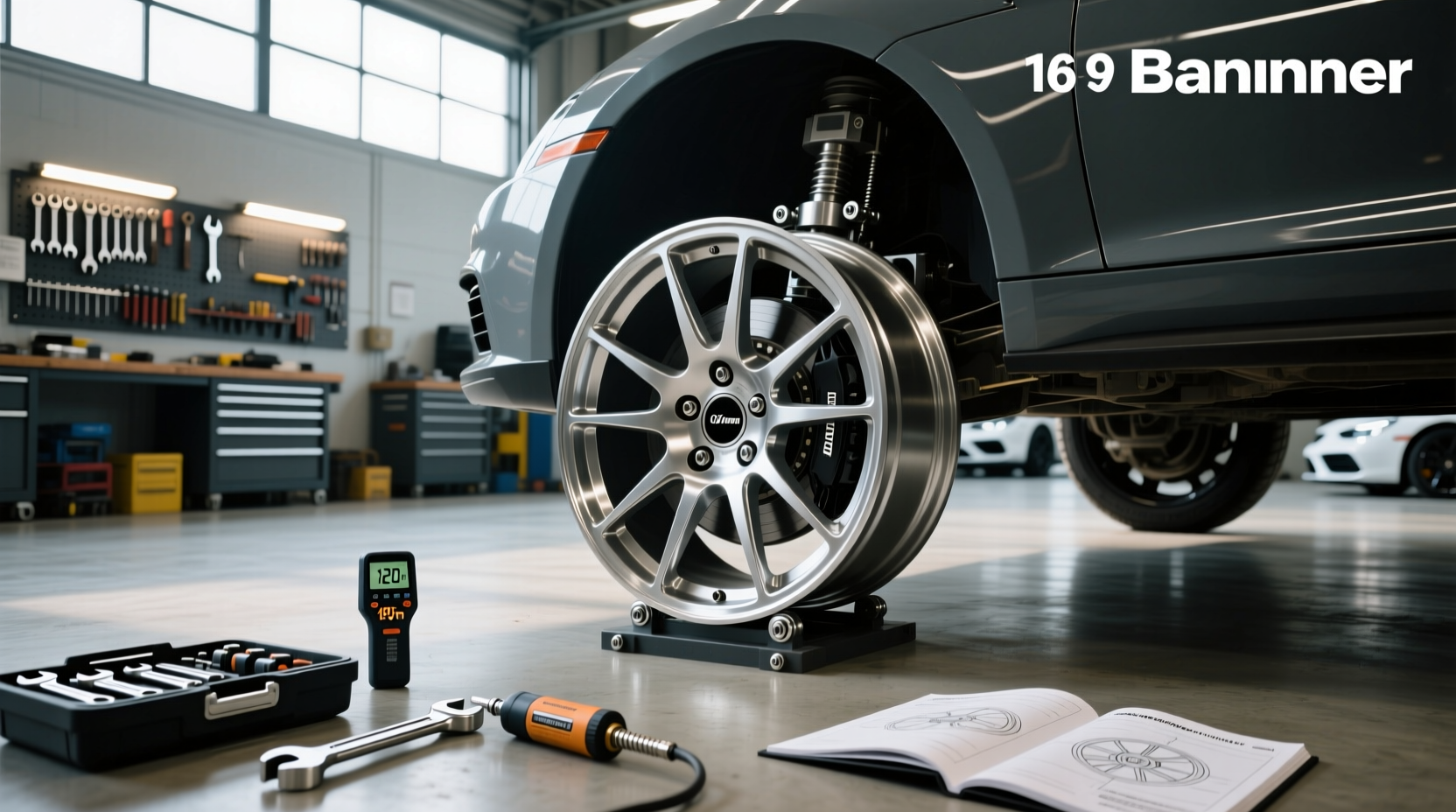
Converting your vehicle to use a center lock wheel conversion kit can significantly reduce tire change times—especially valuable in track or racing environments where seconds matter. Unlike traditional 4- or 5-lug bolt patterns, center lock systems secure the wheel with a single large locking hub nut mounted at the center of the axle. This design is common on high-performance vehicles like Porsches, Ferraris, and Formula 1 cars. For enthusiasts looking to upgrade their daily driver or weekend track car, installing a center lock wheel conversion kit offers both functional and aesthetic benefits. However, proper fitment, tooling, and technical understanding are critical to ensure safety and performance.
What Is a Center Lock Wheel Conversion Kit?
A center lock wheel conversion kit allows drivers to switch from a conventional multi-lug wheel attachment system (such as 5x112 or 5x120) to a single-center fastener system that uses a central locking hub. These kits typically include:
- Custom center lock hubs or adapters ⚙️
- Matching center lock wheels or retrofit-compatible rims ✅
- High-torque locking nuts or bolts 🔧
- Required spacers, seals, and mounting hardware 📎
- Torque specifications and installation guidelines 📝
The core purpose of this conversion is to replicate the quick-change functionality seen in motorsports. While factory-installed center lock systems are engineered for precision alignment and load distribution, aftermarket conversions must be carefully selected based on vehicle dynamics, brake clearance, and hub strength.
Why Consider a Center Lock Conversion?
There are several reasons why drivers explore a center lock wheel conversion:
⏱️ Faster Pit Stops and Tire Changes
In racing scenarios, reducing pit stop duration directly impacts lap time and race outcome. A single central nut can be removed and reinstalled much faster than loosening five or six individual lug nuts. Professional teams change all four tires in under three seconds using pneumatic impact guns designed specifically for center lock hubs 1.
✨ Enhanced Aesthetic Appeal
Many high-end sports cars feature center lock wheels as a visual hallmark of performance engineering. Owners seeking a GT3-style appearance often pursue conversions even if they don’t race. The clean face of the wheel without visible lug nuts gives a sleek, race-bred look.
⚙️ Improved Load Distribution
Because the clamping force is applied symmetrically around the centerline of the hub, stress on the wheel and hub assembly may be more evenly distributed compared to offset lug patterns. This can contribute to reduced vibration and better long-term durability under extreme conditions.
🔍 Unique Fitment Flexibility
Some rare or classic vehicles have limited wheel options due to obscure OEM bolt patterns. A properly engineered center lock conversion opens up access to a broader range of custom or racing wheels designed for universal center mount applications.
Common Applications and Vehicle Compatibility
Not all vehicles are suitable candidates for a center lock conversion. Key considerations include:
🚗 Passenger Cars: Porsche, Ferrari, Lamborghini
Porsche has used center lock wheels extensively across its 911 GT models (e.g., GT3, GT2 RS), making it one of the most recognized platforms for such setups. Some owners of non-GT Porsches install conversion kits to achieve track-ready functionality or cosmetic upgrades. Similarly, Ferrari and Lamborghini models often come equipped with center lock systems from the factory.
🏎️ Track-Focused Builds and Race Cars
Race-prepared BMWs, Audis, and Nissan GT-Rs frequently adopt center lock wheels through full suspension and hub swaps. In these cases, the entire front and rear knuckle assemblies might be replaced with components sourced from higher-tier race variants.
🚚 Light Trucks and SUVs: Limited Feasibility
While technically possible, applying a center lock system to heavy-duty vehicles increases mechanical risk. The concentrated load on a single fastener becomes less reliable as vehicle weight and torque output rise. Most manufacturers avoid center locks on trucks and SUVs for this reason.
Bike Wheels? Not Applicable
Note: Although some bicycle disc brake rotors use “CenterLock” (a trademarked Shimano standard), this is unrelated to automotive center lock wheels. Confusion sometimes arises due to similar terminology, but the mechanics and scale differ entirely.
Key Components of a Conversion Kit
Understanding what’s included—and what’s not—in a typical center lock wheel conversion kit helps avoid costly oversights.
🔧 Hub Adapters vs. Full Hub Swaps
Two main approaches exist:
- Adapter-based kits: Bolt onto existing hubs, allowing center lock wheels to attach without replacing major drivetrain parts. These are cheaper but may introduce runout issues or added stress points.
- Full hub replacement: Requires swapping out the entire spindle/hub assembly with one designed for center locking. More expensive and labor-intensive but provides OEM-level integrity.
🔩 Central Locking Nut (or Bolt)
This is the heart of the system. Made from high-strength alloy steel, it threads into a male or female spline on the hub. Torque values typically range between 350–650 ft-lbs depending on application. Specialized socket tools (usually 27mm or 36mm AF) are required for removal and tightening.
🔄 Spline Design and Engagement
The interface between the hub and wheel must provide positive engagement to transfer torque. Common designs include:
- Male splined hub with matching female bore in the wheel
- Female hub with protruding splines on the wheel backplate
Misalignment here can lead to slippage or damage during acceleration or braking.
📏 Wheel Offset and Diameter Constraints
Center lock wheels are commonly available in sizes ranging from 17” to over 21”. When selecting wheels, verify compatibility with fender clearance, suspension travel, and brake caliper size. Larger diameter brakes often necessitate specific center bore dimensions.
Installation Process Overview
Installing a center lock wheel conversion kit is not a simple bolt-on modification. It involves precise mechanical work and should only be performed by qualified technicians.
Step 1: Confirm Vehicle Suitability
Check whether your vehicle’s brake system, suspension geometry, and hub strength support a center lock setup. Consult factory service manuals or specialist forums before proceeding.
Step 2: Acquire Complete Kit and Tools
You’ll need:
- Conversion kit matched to your make/model/year
- Impact gun rated for high torque (≥700 ft-lbs)
- Digital torque wrench capable of measuring 400+ ft-lbs
- Wheel alignment equipment
- Cleaning supplies and anti-seize compound
Step 3: Remove Stock Hubs/Wheels
Safely lift and support the vehicle. Disconnect brake lines if necessary. Remove calipers, rotors, and original hubs. Inspect bearings and axles for wear.
Step 4: Install New Hubs or Adapters
Follow manufacturer instructions precisely. Use thread locker where specified. Ensure proper bearing preload and rotational smoothness.
Step 5: Mount Center Lock Wheels
Align splines carefully. Hand-start the central nut before final tightening. Use a calibrated torque wrench—not an impact gun—for final torque setting.
Step 6: Test and Validate
Recheck torque after first 50 miles. Perform a low-speed test drive to monitor for vibrations or noises. Schedule a professional alignment.
Safety and Reliability Concerns
Despite the appeal, there are real risks associated with improper implementation.
❗ Over-Torquing Can Damage Components
Excessive torque on the central nut can distort the hub, crack the wheel center, or damage internal splines. Always follow published torque specs exactly.
❗ Under-Torquing Leads to Wheel Loss
If the nut isn't tightened sufficiently, centrifugal forces during driving can loosen it completely—a catastrophic failure risk.
❗ Vibration and Runout Issues
Poorly machined adapters or misaligned splines cause imbalance, leading to steering shake and premature tire wear.
❗ Legal and Insurance Implications
In some regions, modifying hub assemblies may void warranties or fail inspection requirements. Check local regulations before installation.
Cost Breakdown and Value Assessment
A full center lock wheel conversion kit varies widely in price:
| Component | Average Cost (USD) | Notes |
|---|---|---|
| Hub Adapter Kit | $300–$800 | Basic retrofit solution |
| Full Hub Swap | $1,200–$3,000 | Labor-intensive; OEM-grade |
| Center Lock Wheels (set of 4) | $2,000–$6,000+ | Forged alloys cost more |
| Specialty Tools | $150–$400 | Socket, extension, torque multiplier |
| Professional Labor | $600–$1,200 | Depends on complexity |
Total project costs often exceed $5,000. Evaluate whether the performance gain justifies the investment—especially for street-driven vehicles.
Frequently Asked Questions
- Can I convert my daily driver to center lock wheels?
- Yes, but consider practicality. Daily drivers rarely benefit from faster tire changes, and repair shops may lack the correct tools. Also, roadside flat changes become more difficult without proper equipment.
- Are center lock wheels safer than lug nuts?
- When properly installed and maintained, both systems are safe. However, center lock relies on a single point of failure—if the central nut fails, the wheel detaches immediately. Lug patterns distribute risk across multiple fasteners.
- Do I need special tools to remove center lock wheels?
- Yes. You'll need a high-torque impact gun or breaker bar with a dedicated center lock socket (typically 27mm or 36mm). Standard lug wrenches won’t work.
- Can I mix center lock and standard wheels on the same car?
- No. Mixing hub types creates imbalance, alignment issues, and potential interference with ABS or traction control systems. All four wheels must match the same hub standard.
- Where can I buy a reliable center lock wheel conversion kit?
- Kits are available from specialty performance suppliers and online marketplaces. Look for products with clear fitment guides, material certifications, and customer reviews. Avoid no-name brands lacking technical documentation.





 浙公网安备
33010002000092号
浙公网安备
33010002000092号 浙B2-20120091-4