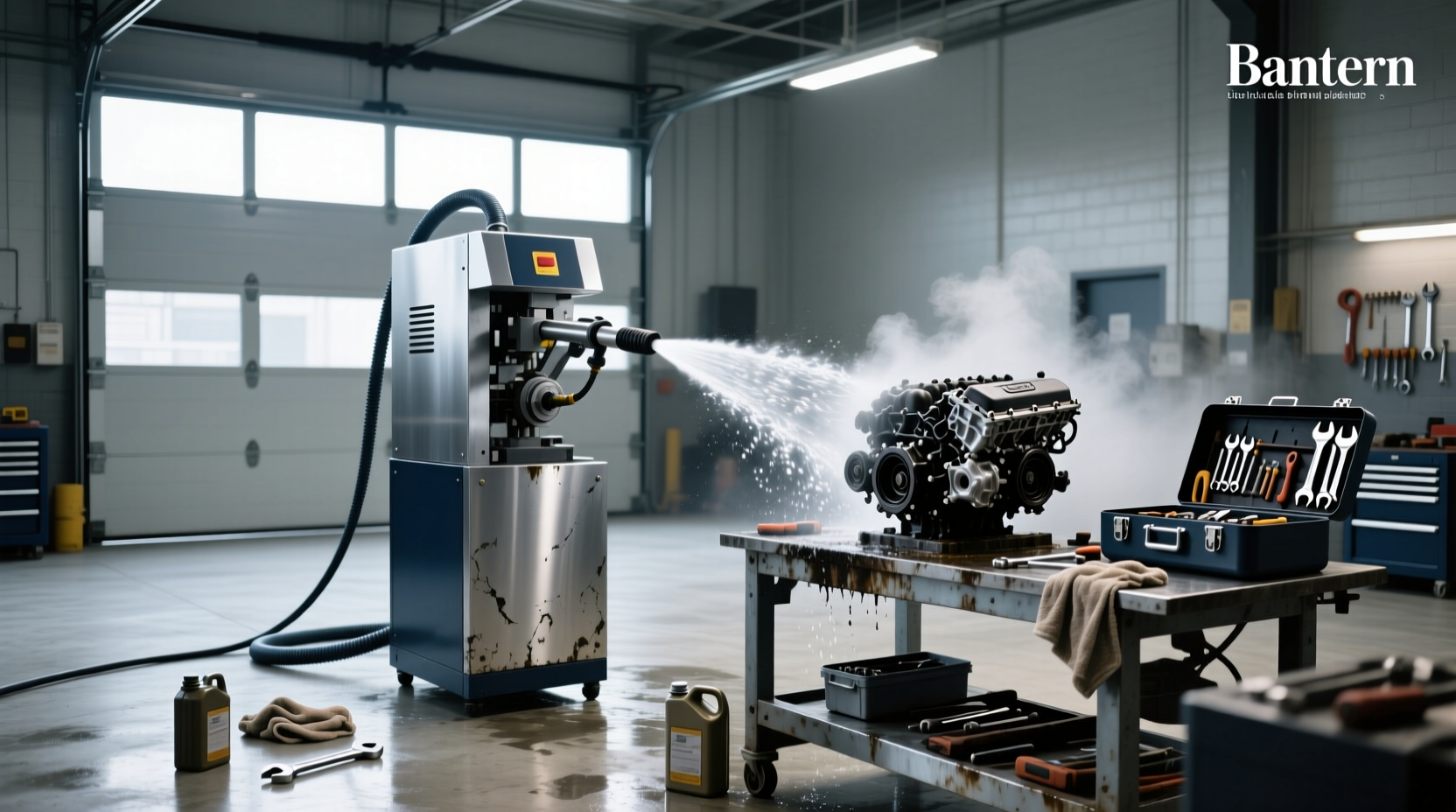
Keeping your vehicle's engine clean isn't just about appearance—it plays a crucial role in maintenance, cooling efficiency, and early problem detection. An engine cleaner machine is a specialized tool designed to safely remove built-up grease, oil residue, dirt, and grime from the engine compartment without damaging sensitive components. Unlike basic degreasers or manual wiping, these machines often combine controlled pressure washing, biodegradable cleaning agents, and drying systems to deliver consistent, thorough results—especially important for heavily soiled engines or professional detailing services.
For car owners and auto technicians alike, understanding how to properly use an engine cleaner machine can prevent costly damage while extending engine life. This guide breaks down everything you need to know: how these machines function, key safety precautions, types of cleaners used, step-by-step cleaning procedures, and answers to frequently asked questions like 'Can I pressure wash my engine?' and 'Is it safe to clean a hot engine?'
How Does an Engine Cleaner Machine Work?
An engine cleaner machine typically integrates several functions into one system: spray application, foam distribution, low-pressure rinsing, and sometimes even air drying. These units are engineered to deliver precise cleaning power without exposing electrical parts or sensors to excessive water or force.
🔧 Mechanism Overview:
The process usually begins with applying a chemical degreaser via a foaming nozzle. The foam clings to vertical surfaces, allowing dwell time for the cleaner to break down oily deposits. After letting the solution sit (typically 3–10 minutes), the machine uses low-pressure water mist or steam to rinse away loosened debris. Some advanced models include heated water or steam-assisted cleaning for stubborn buildup.
⚙️ Key Components:
- Pump System: Delivers consistent pressure (usually under 100 PSI) to avoid damaging hoses or wiring.
- Tank Reservoirs: Hold both cleaning solution and rinse water separately.
- Hose & Nozzle Assembly: Often features adjustable tips for foaming, spraying, or gentle rinsing.
- Vacuum or Air Dry Function (in pro units): Helps dry hard-to-reach areas post-cleaning.
Types of Engine Cleaning Machines
Not all engine cleaner machines are the same. The type you choose depends on whether you're a DIYer, mobile detailer, or operating a full-service garage.
1. Portable Electric Pressure Sprayers 🌐
These compact units run on electricity or battery and are ideal for home garages or small workshops. They allow controlled application of degreaser but rely on external water sources for rinsing. While not full 'machines' in the industrial sense, they’re often marketed as such due to their motorized pumps and tank systems.
✅ Best for: Occasional users who want better control than aerosol sprays.
❗ Limits: Limited pressure regulation; requires manual rinsing.
2. Steam Cleaning Units ⚡
Steam-based engine cleaner machines use high-temperature vapor (often over 200°F / 93°C) to dissolve grease without using large volumes of water. This method reduces the risk of water intrusion into electronics and is favored by professionals for deep cleaning.
✨ Advantages: Minimal water usage, sanitizes surfaces, eco-friendly.
🔧 Considerations: Requires longer cooldown time after use; higher upfront cost.
3. Mobile Detailing Carts with Integrated Systems 🚚
Professional detailers often use wheeled carts equipped with dual tanks (cleaner + water), electric pumps, hose reels, and vacuum extractors. These complete setups enable efficient engine bay cleaning at customer locations.
📌 Features: Onboard heating, variable pressure settings, recovery tanks.
🏭 Use Case: Commercial detailing businesses offering exterior and engine cleaning packages.
4. Industrial Cabinet-Style Units 🏭
Found in heavy-duty repair shops or fleet maintenance centers, these large machines handle multiple vehicles per day. Some include conveyor belts or immersion tanks for removing and cleaning entire engine blocks—but this goes beyond typical 'engine bay' cleaning.
🧰 Note: Most consumer searches for “engine cleaner machine” refer to tools for cleaning the engine compartment—not disassembled parts.
When Should You Clean Your Engine Bay?
Regular engine cleaning helps maintain performance and detect leaks early. However, timing matters. Here are key indicators that it’s time to consider using an engine cleaner machine:
- Visible oil splatter or greasy film around the engine
- Dirt buildup interfering with visual inspections
- Overheating issues possibly linked to clogged airflow
- Preparing for resale or vehicle inspection
- After off-road driving or exposure to salt/slush
⏱️ Recommended Frequency:
For most drivers, cleaning every 6–12 months is sufficient. Vehicles driven in dusty, coastal, or winter road conditions may benefit from more frequent cleaning.
Safety First: Protecting Your Vehicle During Cleaning
One of the top concerns when using an engine cleaner machine is avoiding damage to sensitive components. Modern engines contain numerous electronic sensors, fuse boxes, and ignition systems that can be compromised by moisture or harsh chemicals.
Pre-Cleaning Preparations 🔍
- Let the Engine Cool: Never clean a hot engine. Wait at least 30–60 minutes after driving to prevent thermal shock or steam burns.
- Cover Sensitive Areas: Use plastic bags or protective shields on the alternator, air intake, battery terminals, and exposed electrical connectors.
- Check for Existing Damage: Inspect wiring harnesses and rubber gaskets. If seals are cracked, avoid direct spraying near those zones.
Avoid These Common Mistakes ❗
- Using high-pressure washers: Standard pressure washers (over 150 PSI) can force water into bearings, sensors, and wiring. Stick to low-pressure systems designed for automotive use.
- Skipping the degreaser dwell time: Foam needs time to emulsify grease. Rushing leads to incomplete cleaning. \li> Leaving cleaner residue: Always rinse thoroughly to prevent corrosion or staining.
- Starting the engine before drying: Allow ample drying time—ideally in sunlight or with compressed air.
Choosing the Right Cleaning Solution
The effectiveness of any engine cleaner machine depends heavily on the detergent used. Not all degreasers are suitable for modern engines.
pH-Neutral vs. Alkaline Degreasers
🧼 pH-Neutral Cleaners:
Ideal for regular maintenance. Gentle on rubber, plastics, and painted surfaces. May require longer contact time on heavy grease.
⚠️ Alkaline (High-pH) Degreasers:
Powerful against thick oil sludge but can degrade certain materials over time. Best reserved for commercial applications with proper rinsing protocols.
🌱 Eco-Friendly Options:
Biodegradable formulas reduce environmental impact and are safer for home use. Look for certifications like Safer Choice or EcoLogo if sustainability is a priority.
Step-by-Step: Using an Engine Cleaner Machine Safely
Follow this proven procedure to clean your engine bay effectively and safely:
- Prepare the Area: Park in a shaded, well-ventilated space. Disconnect the battery if accessible and recommended by the manufacturer.
- Apply Protective Covers: Shield the air intake, distributor (if applicable), and exposed electronics.
- Spray Degreaser Evenly: Using the machine’s foaming attachment, apply cleaner across the engine surface. Focus on greasy spots but avoid pooling.
- Dwell Time: Let the foam sit for 5–10 minutes. Do not let it dry on the surface.
- Rinse Gently: Use low-pressure water (under 100 PSI) to rinse from top to bottom. Keep the nozzle at least 12 inches away from components.
- Dry Thoroughly: Wipe accessible areas with microfiber towels. Use compressed air or a blower for tight spaces. Allow additional air-drying time before restarting.
- Inspect and Reconnect: Remove covers, reconnect battery (if disconnected), and check for any displaced hoses or wires.
DIY vs. Professional Engine Cleaning
You can clean your engine at home with basic tools, but there are trade-offs compared to professional-grade equipment.
| Factor | DIY Cleaning | Professional Machine Cleaning |
|---|---|---|
| Cost | Low ($20–$50 for supplies) | Higher ($75–$150 per session) |
| Equipment Quality | Limited pressure control | Precision-regulated machines |
| Safety Risk | Moderate (user error possible) | Lower (trained technicians) |
| Cleaning Depth | Surface-level effective | Deep penetration, consistent results |
| Time Required | 1–2 hours | 30–60 minutes |
👥 Recommendation: For light maintenance, DIY is acceptable. For older vehicles, high-mileage cars, or show-quality finishes, professional service with an engine cleaner machine delivers superior results and peace of mind.
Debunking Common Myths About Engine Cleaning
Several misconceptions persist about cleaning internal combustion engines. Let’s clarify them with facts.
- Myth: Water will destroy your engine.
Reality: Modern engines are designed to withstand rain and minor moisture. The real danger comes from high-pressure jets forcing water into sealed areas—not from careful rinsing. - Myth: Cleaning causes rust.
Reality: Steel components under the hood are typically coated or galvanized. Rust forms due to prolonged exposure to salt and moisture—not occasional cleaning. Proper drying prevents corrosion. - Myth: You shouldn’t clean a new car’s engine.
Reality: New engines can be cleaned safely. Manufacturers do not void warranties for proper cleaning. In fact, keeping the engine bay clean aids diagnostics.
Regional Considerations and Climate Impact
Where you live affects how often—and how—you should clean your engine.
❄️ Cold Climates:
Road salt accelerates corrosion. Cleaning in spring removes accumulated salts. Avoid cleaning below freezing temperatures to prevent ice formation in components.
🌵 Desert/Dusty Regions:
Dust and sand mix with oil to form abrasive paste. More frequent cleaning helps prevent overheating and wear.
🌊 Coastal Areas:
Salt-laden air increases corrosion risk. Regular, gentle cleaning with fresh water rinse-off is advised.
Alternatives to Full Engine Cleaner Machines
If you don’t have access to a dedicated machine, effective alternatives exist:
- Manual Brush & Spray Method: Use a non-conductive brush and pH-neutral cleaner. Apply, scrub, wipe, repeat.
- Waterless Engine Wipes: Convenient for quick touch-ups. Less effective on heavy grease.
- Foam-Only Treatments: Apply foaming degreaser, let sit, then wipe off—no rinsing required. Good for minimalists.
While these methods lack the efficiency of a machine, they’re viable for routine upkeep between deeper cleanings.
Final Tips for Long-Term Engine Bay Care
Maintaining a clean engine doesn’t end after one session. Follow these habits:
- Wipe spills immediately after oil changes.
- Use protective coatings (plastic/rubber protectants) to repel dust.
- Inspect regularly for leaks or loose connections.
- Keep cleaning records to track maintenance intervals.
Frequently Asked Questions
- Can I use a pressure washer to clean my engine?
- No, standard pressure washers generate too much force and can damage sensors or force water into electrical systems. Use only low-pressure systems specifically designed for automotive engine cleaning.
- Is it safe to clean a diesel engine with an engine cleaner machine?
- Yes, diesel engines can be cleaned safely using the same procedures as gasoline engines. Pay extra attention to glow plug areas and fuel injection components.
- How long should I wait before starting the car after cleaning?
- Wait at least 30 minutes to ensure all moisture has evaporated. In humid conditions, extend drying time or use compressed air.
- Do engine cleaner machines remove carbon buildup inside the engine?
- No. External engine cleaner machines only clean the engine bay. Internal carbon deposits require chemical fuel additives or mechanical decarbonizing processes.
- Can engine cleaning reveal hidden problems?
- Yes. A clean engine makes it easier to spot oil leaks, cracked hoses, corroded wires, or worn belts—helping prevent breakdowns.





 浙公网安备
33010002000092号
浙公网安备
33010002000092号 浙B2-20120091-4