Understanding your engine’s internal condition starts with a reliable compression test, and using the right engine compression tester kit is essential for accurate diagnosis. This comprehensive guide walks you through everything you need to know—from selecting the correct tool type and interpreting psi readings, to performing a step-by-step test on gasoline or diesel engines. Whether you're a DIY enthusiast or a seasoned mechanic, knowing how cylinder pressure reflects piston ring wear, valve sealing issues, or head gasket failure can save time and costly repairs down the line.
What Is an Engine Compression Test and Why It Matters
An engine compression test measures the pressure buildup inside each cylinder during the compression stroke. This pressure, recorded in pounds per square inch (psi) or bar, indicates how effectively the engine seals and compresses the air-fuel mixture before ignition. A healthy engine maintains consistent compression across all cylinders—typically between 130–180 psi for modern gasoline engines, though this varies by make and model.
Low or uneven compression readings often point to mechanical problems such as worn piston rings, leaking valves, damaged cylinder walls, or a blown head gasket. By identifying these issues early, you can prevent further damage, reduce repair costs, and extend engine life.
How Does an Engine Compression Tester Kit Work?
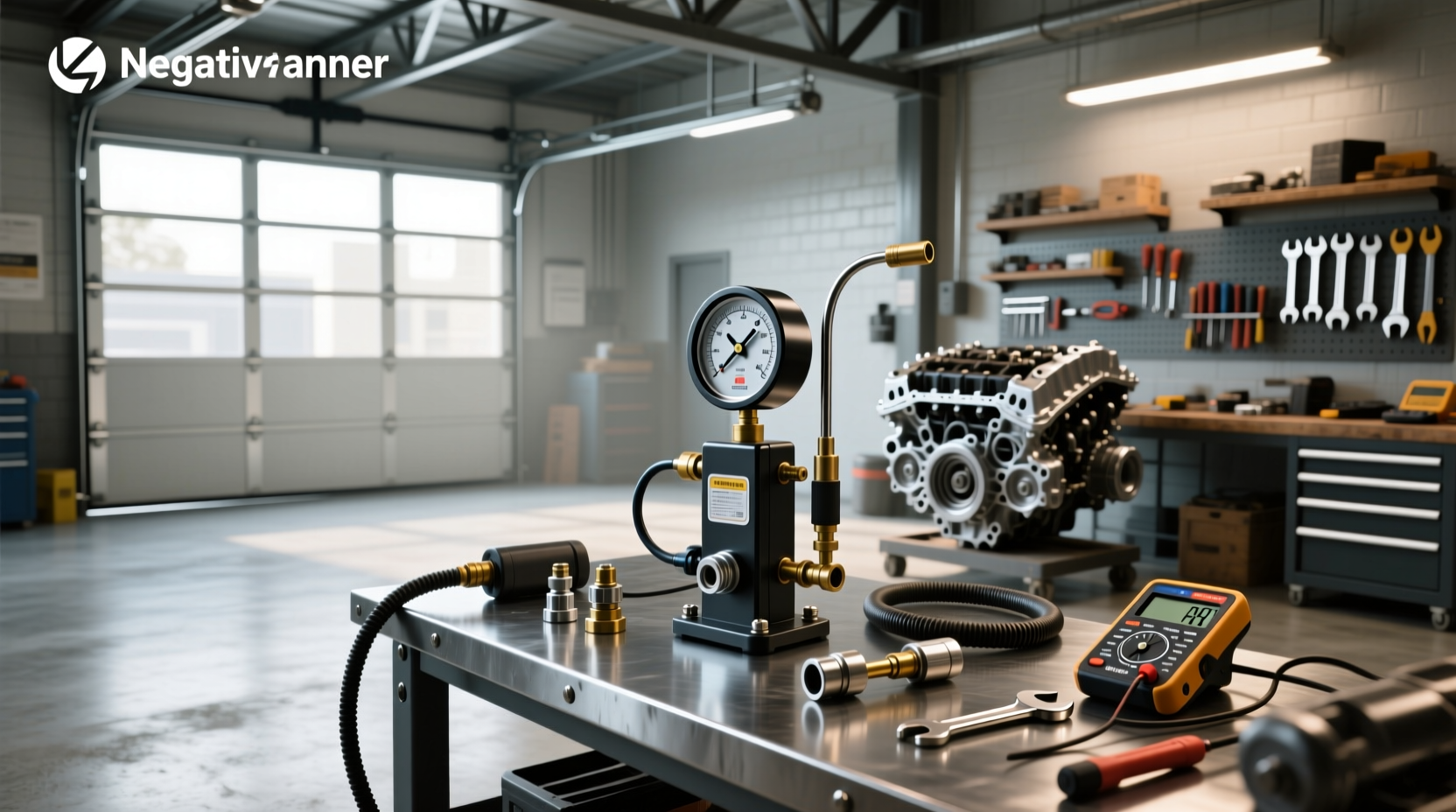
A typical engine compression tester kit includes a pressure gauge, a threaded or quick-connect hose, and multiple adapters to fit various spark plug sizes. The device replaces a removed spark plug and captures peak compression pressure when the starter motor cranks the engine.
When the piston moves upward during the compression stroke, it forces air into the combustion chamber. If intake and exhaust valves are properly seated and piston rings seal tightly against the cylinder wall, pressure builds rapidly. The tester holds this maximum pressure reading so you can record and compare values across cylinders.
⚙️ Key components of most kits include:
- Pressure Gauge: Usually dual-scale (psi and bar), ranging from 0–300 psi or higher for diesel applications.
- Hose Assembly: Connects the gauge to the spark plug port; may feature a Schrader-style valve or shraeder valve to lock in pressure.
- Adapters: Multiple thread sizes (e.g., 14mm, 18mm) to match different spark plug types.
- Check Valve: Prevents backflow and retains the highest recorded pressure until manually released.
Some advanced models come with extension tubes, right-angle fittings, or even digital readouts, improving accessibility in tight engine bays.
Different Types of Compression Testers: Which One Do You Need?
Not all compression testers are created equal. Choosing the right type depends on your application—automotive, small engine, diesel, or motorcycle—and accuracy requirements.
1. Automotive Compression Testers (Standard Threaded/Quick Connect)
🔧 Designed for passenger vehicles with standard spark plug threads, these kits use either direct-thread or universal quick-connect fittings. They’re ideal for gasoline engines found in cars and light trucks.
✅ Pros:
- Widely compatible with common spark plug sizes
- Inexpensive and easy to use
- Suitable for routine diagnostics
❌ Cons:
- May not work well on high-compression diesel engines without proper adapters
- Lower-end models may leak at connections or fail to hold pressure
2. Small Engine Compression Testers (with Shraeder Valves)
As noted in user discussions online, many standard automotive testers perform poorly on small engines like lawnmowers, generators, or chainsaws 1. These engines often require a specific design featuring a shraeder valve that ensures accurate pressure retention.
Users report that generic kits lose pressure internally due to poor seals or lack of check valves, leading to false low readings. A dedicated small engine tester avoids this issue with tighter tolerances and better sealing mechanisms.
3. Diesel Engine Compression Testers
Diesel engines operate under much higher compression ratios (typically 250–400 psi). Therefore, they require a tester rated for at least 50 bar (700 psi), preferably more. Kits designed for HDI/TDI or pump-injector diesel systems often include longer probes and robust gauges calibrated for high-pressure environments.
4. Leak-Down Testers vs. Compression Testers
While both assess engine sealing, they serve different purposes:
- Compression testers measure dynamic pressure generated by cranking.
- Leak-down testers use external compressed air to pressurize a cylinder at top dead center (TDC), helping pinpoint where leakage occurs (intake valve, exhaust valve, rings, or head gasket).
📌 For basic health checks, a compression test suffices. For detailed diagnostics, especially after detecting low compression, a leak-down test adds valuable insight.
Step-by-Step Guide: How to Perform an Engine Compression Test
Performing a compression test correctly is crucial for reliable results. Follow these steps carefully:
🛠 Step 1: Prepare the Engine
- Ensure the engine is warm (not hot) to allow proper expansion of metal parts.
- Disable the fuel system (remove fuel pump fuse or relay) and ignition system (unplug coil packs or distributor) to prevent accidental starting.
- Clean around each spark plug to avoid debris falling into cylinders upon removal.
🔧 Step 2: Remove All Spark Plugs
❓ Do you pull all spark plugs for a compression test? Yes. Removing all spark plugs reduces resistance during cranking, allowing the starter to turn the engine faster and produce more consistent readings. Skipping this step can result in artificially low numbers.
Use a socket wrench and appropriate spark plug socket to remove them safely. Label each plug wire or boot to ensure correct reinstallation.
📍 Step 3: Install the Compression Tester
Screw the tester securely into the first cylinder’s spark plug hole. Hand-tighten only unless otherwise specified—over-tightening can damage aluminum threads.
⚡ Step 4: Crank the Engine
Have an assistant crank the engine for 5–8 seconds while you observe the gauge. Most manufacturers recommend 6 full compression strokes. Record the peak pressure reached.
Repeat this process for each cylinder, ensuring the throttle is held open (depress accelerator pedal fully) to allow maximum airflow.
📊 Step 5: Interpret the Results
Compare readings across all cylinders. Acceptable variation is generally within 10% of the highest reading. For example, if Cylinder 1 reads 160 psi, no other cylinder should drop below ~144 psi.
| Engine Type | Normal Compression Range (psi) | Concern Level |
|---|---|---|
| Gasoline (Modern) | 130–180 | <120 psi or >20% variation |
| Diesel (Automotive) | 250–400 | <225 psi or >15% variation |
| Small Gas Engine | 70–120 | <60 psi or inconsistent |
Common Mistakes When Using a Compression Tester Kit
Even experienced users make errors that compromise test accuracy. Avoid these pitfalls:
- Testing on a cold engine: Cold metal contracts, reducing clearance and potentially lowering readings.
- Leaving fuel injectors active: Risk of hydrolock if excess fuel enters the cylinder.
- Not holding the throttle open: Restricts airflow, leading to lower-than-actual compression.
- Using damaged or mismatched adapters: Causes air leaks and inaccurate results.
- Ignoring battery strength: Weak batteries slow cranking speed, affecting compression development.
What Does Low Compression Mean? Common Causes Explained
If one or more cylinders show significantly lower compression, several internal failures could be responsible:
1. Worn Piston Rings
Over time, piston rings lose elasticity and fail to seal against the cylinder wall. This allows compressed gases to escape into the crankcase, reducing pressure. Adding a small amount of oil to the cylinder (wet test) may temporarily increase compression if rings are the culprit.
2. Leaking Valves (Burnt or Bent)
Valves exposed to extreme heat or impact can warp or burn, preventing a tight seal. Unlike ring wear, adding oil won’t improve compression in this case. A leak-down test helps confirm valve leakage by listening for air escaping through the intake or exhaust manifold.
3. Blown Head Gasket
A compromised head gasket allows compression to leak between adjacent cylinders or into coolant passages. Symptoms include white smoke from the exhaust, overheating, and bubbling in the radiator. Compression tests may show two adjacent low cylinders.
4. Cracked Cylinder Head or Block
Physical damage from overheating or freezing can crack critical engine components. These cracks create paths for pressure loss and are usually confirmed via visual inspection or dye testing.
Wet vs. Dry Compression Test: When to Use Each
A dry compression test is the standard procedure described above. However, a wet compression test—where a teaspoon of engine oil is added to the cylinder before retesting—helps differentiate between ring and valve problems.
- If compression increases significantly after adding oil → likely worn piston rings.
- If compression remains low → likely valve or head gasket issue.
Note: Excessive oil can cause temporary hydraulic lock, so use sparingly.
Choosing the Right Engine Compression Tester Kit: Features That Matter
When shopping for a kit, consider these factors beyond price:
- Gauge Accuracy: Look for ASME-certified gauges with clear dials and minimal needle bounce.
- Build Quality: Brass or steel connectors resist stripping; rubber bumpers protect the gauge from drops.
- Adapter Variety: More adapters mean broader compatibility across vehicle makes and small engines.
- Pressure Retention: Built-in check valves keep the reading stable after cranking stops.
- Hose Length & Flexibility: Longer, flexible hoses help reach rear cylinders in V6/V8 engines.
For professionals or frequent users, investing in a high-quality kit pays off in durability and precision. Budget models may work for occasional use but often suffer from seal degradation or calibration drift.
Can You Trust Cheap Compression Tester Kits?
User forums highlight concerns about inexpensive kits failing to hold pressure or delivering inconsistent results 1. While some entry-level tools function adequately, others have design flaws such as:
- Poorly sealed hose-to-gauge joints
- Plastic internal components prone to cracking
- Lack of shraeder valves in small engine applications
If you rely on accurate diagnostics, choose a reputable brand with verifiable performance standards. Check reviews focusing on long-term reliability and consistency across multiple tests.
Tips for Accurate and Repeatable Testing
To get trustworthy data every time:
- Test the engine at operating temperature.
- Use a fully charged battery or jump pack.
- Hold the throttle wide open during cranking.
- Ensure all connections are tight and free of debris.
- Record readings immediately and label each cylinder.
- Repeat the test if initial results seem erratic.
Regional and Vehicle-Specific Considerations
Compression specifications vary by manufacturer and region. European diesel engines, for instance, often run higher baseline pressures than North American counterparts. Always consult the vehicle’s service manual for factory specs before drawing conclusions.
Additionally, high-altitude locations naturally yield slightly lower readings due to reduced atmospheric pressure. While not typically significant enough to misdiagnose, awareness of environmental effects improves interpretation accuracy.
When to Seek Professional Help
A compression test gives strong clues about engine health, but it doesn’t replace disassembly or advanced diagnostics. If results indicate serious internal damage, consider consulting a certified mechanic for bore scoping, leak-down testing, or engine teardown.
Also, modern vehicles with complex ECU-controlled systems may require additional scanning tools to rule out sensor-related faults that mimic mechanical issues.
Frequently Asked Questions (FAQs)
- 🔍 What does an engine compression test tell you?
- An engine compression test reveals how well each cylinder seals during the compression stroke. It helps identify problems like worn piston rings, leaking valves, or head gasket failure by measuring peak pressure in psi or bar.
- 📉 What are the symptoms of a low compression engine?
- Symptoms include rough idling, misfiring, loss of power, poor fuel economy, difficulty starting, and excessive blow-by from the PCV system. In severe cases, white or blue exhaust smoke may appear.
- 🔌 Do you pull all spark plugs for a compression test?
- Yes. Removing all spark plugs reduces rotational resistance, allowing the starter to spin the engine faster and produce more accurate and consistent compression readings.
- 📏 Is 90 psi good compression?
- No, 90 psi is generally too low for most gasoline engines, which typically require 130–180 psi. However, small engines (like lawn equipment) may operate normally at 70–120 psi. Always compare to manufacturer specifications.
- 🔄 How often should I perform a compression test?
- There's no fixed interval. Perform a test if you notice performance issues, prior to purchasing a used vehicle, or during major maintenance like timing belt replacement.





 浙公网安备
33010002000092号
浙公网安备
33010002000092号 浙B2-20120091-4