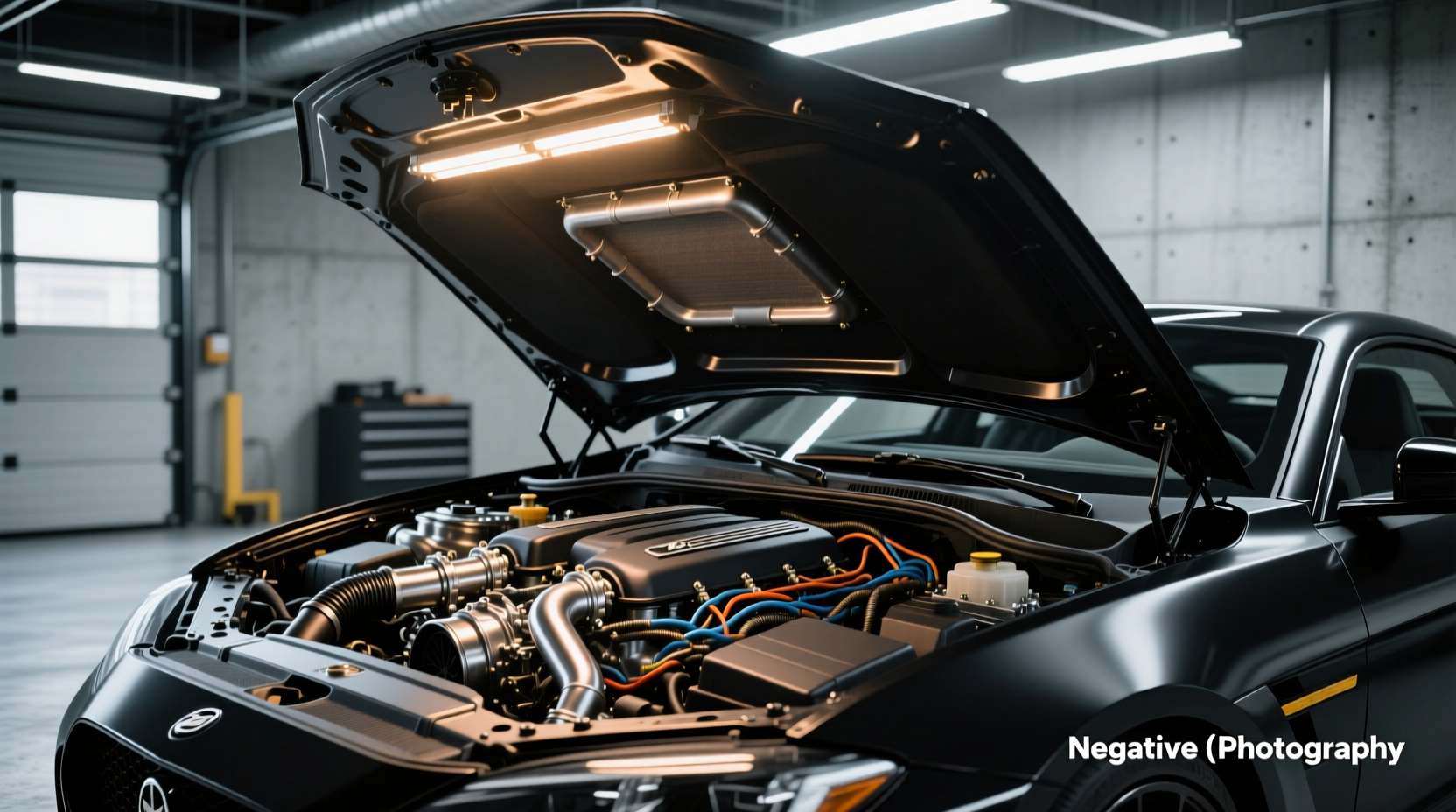
🔍 The engine under cover, also known as the engine splash shield, lower engine cover, or underbody panel, plays a crucial role in protecting your vehicle’s engine compartment from road debris, water, dust, and aerodynamic drag. For car owners searching for information on how to replace an engine under cover, whether it's necessary, or what happens if it's missing, this guide delivers clear, practical answers backed by real-world maintenance experience. Whether you drive a Volkswagen Polo, Audi A1, or another European compact model, understanding the function, risks of damage, and repair options can save time, money, and prevent long-term mechanical issues.
What Is an Engine Under Cover?
⚙️ An engine under cover is a protective panel—typically made of plastic or composite material—installed beneath the front section of the engine bay. It spans from the front bumper area toward the middle of the engine compartment, shielding critical components such as the oil pan, timing belt (if accessible from below), wiring harnesses, and suspension parts.
This component goes by several names depending on region and manufacturer:
- 🔧 Engine splash shield
- 🔧 Under-engine cover
- 🔧 Lower engine cowl
- 🔧 Underside engine protection panel
- 🔧 Air deflector or aerodynamic undertray
In vehicles like the Volkswagen Polo MK5/MK6, Audi A1, and similar platforms using EA111 or EA211 engines, the under cover is often part of a multi-piece system that includes side deflectors and rear seals1.
Functions of the Engine Under Cover
✅ While it may seem like a simple plastic piece, the engine under cover serves multiple essential functions:
| Function | Description |
|---|---|
| 🛡️ Debris Protection | Shields the engine, radiator, and transmission from stones, gravel, salt, and road dirt thrown up during driving. |
| 💧 Moisture & Chemical Resistance | Reduces exposure to water, snowmelt, and corrosive agents like road salt, helping prevent rust and electrical faults. |
| 🌬️ Aerodynamics | Smooths airflow under the car, improving fuel efficiency and reducing wind noise at highway speeds. |
| 🌡️ Engine Temperature Management | Helps retain heat in cold climates and directs airflow over cooling components when needed. |
| 🔇 Noise Reduction | Acts as a sound barrier, dampening engine and road noise transmitted into the cabin. |
Common Problems with Engine Under Covers
❗ Despite its importance, the engine under cover is vulnerable due to its exposed position. Common failure points include:
- 💥 Impact Damage: Hitting curbs, speed bumps, or potholes can crack, warp, or completely detach the panel.
- 🔩 Missing or Broken Fasteners: Plastic rivets or screws securing the cover degrade over time or are lost during service work.
- 📉 Sagging or Loose Panels: When clips fail, the cover flaps while driving, creating noise and increasing risk of further damage.
- 🌧️ Water Trapping: Damaged seals or improper fitment can allow water to pool, accelerating corrosion.
- 🔥 Recall-Related Removal: Some VW models had recalls related to engine covers interfering with heat shields or oil lines, leading dealers to remove them instead of replacing2.
📌 Notably, discussions on forums like Reddit (r/vwpolo) reveal many owners unknowingly drive for months after losing their under cover following routine oil changes or minor collisions3.
Is Driving Without an Engine Under Cover Safe?
❓ One of the most frequently asked questions is: Can I drive without an engine under cover? The short answer: Yes—but not indefinitely.
While the car will run normally in the short term, prolonged operation without this shield increases risks:
- ⚠️ Increased chance of stone chips damaging the oil pan, radiator hoses, or AC lines.
- ⚠️ Higher susceptibility to moisture ingress affecting sensors and wiring connectors.
- ⚠️ Reduced fuel economy due to disrupted undercar airflow.
- ⚠️ Potential overheating in dusty environments where unfiltered air enters cooling paths.
⏱️ If you’ve recently lost the cover, it’s generally safe to drive to a repair shop within a few days, provided no other damage occurred. However, delaying replacement beyond a few weeks—especially in winter or off-road conditions—is not recommended.
How to Inspect Your Engine Under Cover
🔍 Regular inspection should be part of routine maintenance, especially before winter or long trips. Here’s how to check its condition:
- Lift the Front of the Car: Use ramps or jack stands (never rely solely on a hydraulic jack).
- Examine All Edges and Corners: Look for cracks, warping, or missing sections.
- Check Fasteners: Ensure all plastic push-pins, screws, or bolts are present and tight.
- Listen for Flapping Noises: A loose cover often produces rhythmic fluttering sounds at speeds above 40 mph.
- Verify Alignment: The panel should sit flush with surrounding bodywork without gaps.
🧰 Tools needed: Flashlight, gloves, socket set (usually T20 or T25 Torx bits). Inspection time: ~10–15 minutes.
Replacement Options: OEM vs Aftermarket vs Universal
🛒 When replacing an engine under cover, three main options exist:
| Type | Pros | Cons | Average Cost (USD) |
|---|---|---|---|
| 🏭 OEM (Original Equipment Manufacturer) | Precise fit, factory warranty compatibility, correct ventilation cutouts | Higher cost, limited availability for older models | $70–$180 |
| 👥 Aftermarket (Brand-Specific) | Balanced price and quality, widely available online | Fit may vary slightly; materials less durable than OEM | $35–$90 |
| 🌐 Universal Fit | Lowest upfront cost, immediate availability | Poor fitment, requires modification, voids warranty concerns | $15–$40 |
For example, a genuine VW Polo 6R engine under cover (part #6R0825902A) costs around $160–$200 new on eBay or ECS Tuning sites, whereas aftermarket versions range between $35–$753. Universal kits sold on Alibaba offer bulk pricing but require trimming and custom mounting.
Step-by-Step: Replacing an Engine Under Cover (VW Polo Example)
🔧 Replacing the engine under cover is a moderately easy DIY task suitable for beginners with basic tools. Below is a standard procedure for a Volkswagen Polo 9N or 6R:
- Safely Raise the Vehicle: Park on level ground, engage parking brake, use wheel chocks, and lift front end with jack stands.
- Remove Old Fasteners: Unscrew or unclip all visible Torx-head screws and plastic rivets. Save reusable ones.
- Detach Damaged Panel: Gently pull down the old cover. Avoid forcing it if stuck—check for hidden clips.
- Clean Mounting Area: Wipe away dirt, grime, and old sealant residue using a degreaser and cloth.
- Position New Cover: Align tabs and slots with chassis openings. Make sure routing for hoses and wires isn’t obstructed.
- Secure Fasteners Gradually: Start with center screws, then move outward. Don’t overtighten plastic bolts.
- Double-Check Clearance: Spin tires manually to ensure no contact between cover and suspension/components.
- Lower Vehicle and Test Drive: Listen for unusual noises and re-inspect after 50 miles.
⏱️ Estimated time: 30–60 minutes. Required tools: Jack and stands, T20/T25 Torx bit, flashlight, gloves.
Regional Differences and Climate Considerations
🌍 The necessity and design of engine under covers vary based on geography:
- Cold Climates (Canada, Northern Europe): Full under trays are more common to reduce snow buildup and protect against road salt.
- Dry/Arid Regions (Southern US, Middle East): Dust protection becomes primary; some owners add mesh filters.
- Urban vs Rural Driving: Frequent curb strikes in cities increase wear; rural roads with unpaved surfaces demand better shielding.
In Scandinavia and Germany, many manufacturers install reinforced undercovers as standard, while North American trims sometimes omit them to cut costs unless specified in higher trims.
Debunking Common Misconceptions
❌ Several myths persist about engine under covers. Let’s clarify:
- Myth: “They’re just for looks.” → False. While aesthetics matter, functional benefits dominate.
- Myth: “Removing it improves cooling.” → Unproven. Modern engines are thermally managed via radiators and fans, not open airflow.
- Myth: “All cars come with them.” → No. Smaller city cars or base trims may skip full under trays.
- Myth: “You can’t do oil changes with it installed.” → Incorrect. Most designs allow access through pre-cut openings or removable sections.
When NOT to Replace or Reinstall the Cover
❗ There are rare cases where reinstalling the under cover isn't advised:
- If the vehicle has undergone major engine work and future access is expected soon.
- After a recall notice explicitly advises against reinstallation (e.g., certain VW models with fire risk linked to misaligned heat shields).
- When driving in extreme off-road conditions where flexibility and ground clearance outweigh aerodynamic benefits.
Always consult your owner’s manual or dealership service bulletin before deciding to permanently operate without one.
Cost Overview and Where to Buy
💸 Prices vary significantly based on source and authenticity:
- OEM Dealerships: Highest cost ($150+), guaranteed fit, includes warranty support.
- Specialty Parts Retailers: ECS Tuning, FCP Euro, APR LLC offer verified replacements with technical support.
- Online Marketplaces: eBay lists both used and new units; verify seller ratings and part numbers carefully.
- Bulk Suppliers: Alibaba hosts suppliers offering OEM-equivalent covers for fleet repairs or resellers.
📦 Shipping note: Due to size and fragility, shipping fees can exceed the part cost. Look for sellers offering flat-rate or free delivery over $50.
Maintenance Tips to Extend Lifespan
🧼 To maximize durability:
- Inspect every 6 months or after rough terrain driving.
- Lubricate rubber grommets and clip points annually with silicone spray.
- Avoid high-pressure washers directly aimed at edges—can force water underneath.
- Replace missing fasteners immediately to prevent stress fractures.
Final Thoughts
The engine under cover is far more than cosmetic trim—it’s a vital component contributing to reliability, efficiency, and longevity. Ignoring damage or operating without one exposes your vehicle to avoidable risks. Fortunately, replacement is affordable and manageable for most DIYers. By choosing the right type, verifying compatibility, and performing regular checks, you can maintain optimal protection regardless of your vehicle model or driving environment.
Frequently Asked Questions (FAQ)
- ❓ Is an engine under cover necessary?
- It's not mandatory for operation, but highly recommended for protection against debris, improved aerodynamics, and noise reduction. Long-term driving without one increases wear and potential damage.
- ❓ How much does it cost to replace an engine under cover?
- OEM parts typically cost $70–$200, aftermarket $35–$90, and universal kits $15–$40. Labor adds $50–$100 if done professionally.
- ❓ Can I drive my VW Polo without an engine under cover?
- Short-term driving is safe, but extended use without the cover raises risks of water, dirt, and stone damage to engine components.
- ❓ Are there recalls on VW engine under covers?
- Yes, some VW models had recalls where engine covers were removed due to interference with heat shields or oil lines. Check your VIN with official sources for active advisories.
- ❓ What tools do I need to replace an engine under cover?
- You’ll typically need a jack and stands, T20 or T25 Torx bit, flashlight, and gloves. No specialty tools required for most models.





 浙公网安备
33010002000092号
浙公网安备
33010002000092号 浙B2-20120091-4