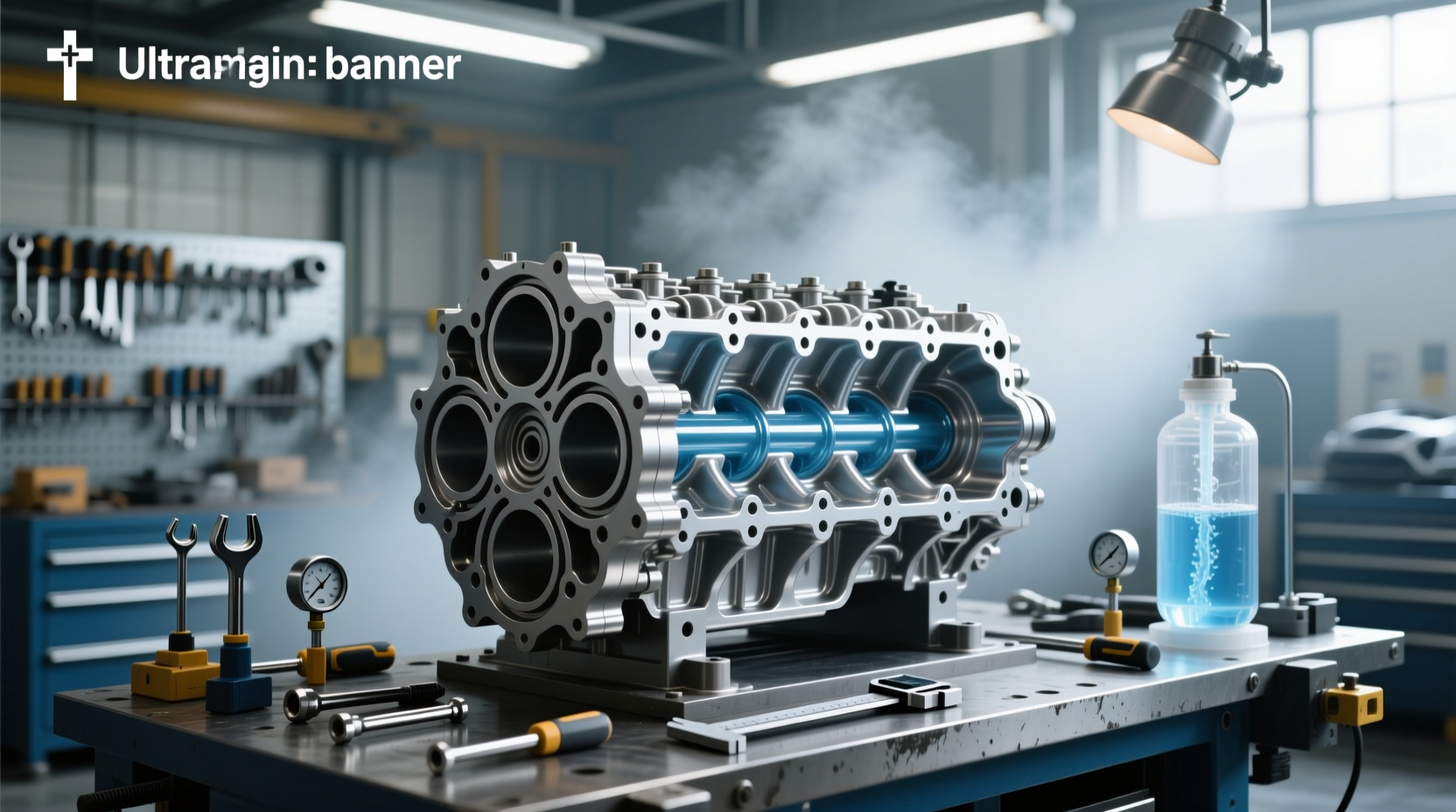
Understanding the engine block water jacket is crucial for maintaining your vehicle's cooling system and preventing costly engine damage. This internal network of coolant passages surrounds the cylinders and critical engine components, allowing coolant to absorb heat and regulate operating temperature. When functioning properly, the water jacket ensures thermal stability, prevents overheating, and protects against cracking in freezing conditions—especially when paired with properly sealed core plugs, also known as freeze or expansion plugs 1. These metal discs are pressed into cast holes left over from the engine manufacturing process and play a vital role in sealing the coolant channels within the block.
This article explores everything you need to know about the engine block water jacket, including its design, common failure points like leaking core plugs, diagnostic methods, replacement procedures, and best practices for long-term reliability. Whether you're experiencing a coolant leak, planning a rebuild, or simply want to understand how your engine stays cool, this guide covers real-world scenarios, practical solutions, and technical insights that help you make informed decisions.
What Is a Water Jacket in an Engine?
The engine block water jacket refers to the interconnected cavities cast into the engine block and cylinder head during manufacturing. These hollow spaces form a closed-loop pathway through which coolant circulates, absorbing excess heat generated by combustion and friction. The coolant then travels to the radiator, where it dissipates heat before returning to the engine.
During casting, sand cores are used to create these internal channels. Once the molten metal solidifies, the sand is removed, leaving behind the water jacket passages. However, access points used to insert and remove the sand must be sealed after production. That’s where core plugs, often called freeze plugs or expansion plugs, come in. They are press-fit metal discs—typically made of steel, copper, or brass—that seal these openings permanently under normal conditions 2.
Despite the name “freeze plug,” their primary function isn’t to prevent freezing but rather to act as sacrificial weak points. If coolant freezes inside the block, expanding ice can push out a plug instead of cracking the engine block itself—a much cheaper repair than replacing the entire engine.
Common Types of Core Plugs and Their Applications
Not all core plugs are the same. They vary in size, material, shape, and installation method depending on the engine design and manufacturer specifications.
| Type | Diameter Range | Material | Installation Method | Common Use Cases |
|---|---|---|---|---|
| Cup-Type (Expanding) | 1" – 2" | Steel, Zinc-Plated | Pressed in, expands upon hammering | GM V8s, older Ford engines |
| Disc-Type (Solid) | 0.75" – 1.5" | Brass, Copper | Interference fit, sealed with RTV | Import vehicles, small blocks |
| Billet Plug (Threaded) | Custom sizes | Brass, Stainless Steel | Screw-in with thread sealant | Performance builds, LS swaps |
| O-Ring Sealed | 1.25" – 2.5" | Aluminum, Steel | Press-fit with elastomer seal | Newer OEM applications |
Choosing the correct type matters. Using the wrong plug—such as installing a cup-type plug where a disc is required—can lead to improper seating, leaks, or even dislodgement under pressure. Always refer to the service manual for your specific engine model when replacing plugs.
Symptoms of a Failing Water Jacket Plug
A failing or corroded core plug may not always show immediate signs, but certain symptoms indicate trouble:
- Visible Coolant Leak: Often seen along the side of the engine block, near the seam between the block and transmission, or dripping from the bottom of the bellhousing.
- Low Coolant Levels Without Obvious Cause: If you’re topping off coolant frequently without visible external leaks, suspect a slow core plug seepage.
- Rust Staining Around Plug Location: Corrosion around the edge of a plug suggests electrolytic degradation or poor sealing.
- Overheating Engine: While not exclusive to plug failure, a compromised cooling system due to air pockets from leaks can reduce efficiency.
- White Smoke from Exhaust (in severe cases): Indicates coolant entering combustion chambers, possibly due to cracked block near water jacket—but distinguishable via compression test.
It’s important to differentiate between a leaking freeze plug and other sources like the water pump, radiator, heater core, or intake manifold gasket. A dye test or pressure check can isolate the source accurately.
Can You Drive With a Leaking Freeze Plug?
Short answer: not safely. While some drivers report temporary operation with minor seepage, any coolant loss increases the risk of overheating. Even a small leak can worsen over time due to vibration, thermal cycling, and corrosion.
If the leak is slow and you maintain coolant levels, short trips in moderate temperatures might be possible. However, driving with low coolant risks:
- Thermal stress leading to warped heads or blown head gaskets
- Piston scuffing or bearing damage from increased operating temperatures
- Complete engine failure if overheating persists
🔧 Recommendation: Address a leaking core plug promptly. Delaying repairs can turn a $10 part into a $2,000+ engine job.
How to Replace a Water Jacket Plug (Step-by-Step Guide)
Replacing a failed core plug requires mechanical skill, patience, and the right tools. Here’s a general procedure applicable to most cup-type and disc-type plugs:
- Drain the Cooling System: Locate the radiator drain plug or lower hose and empty coolant into a container. Properly dispose of old antifreeze—it’s toxic and environmentally hazardous.
- Locate the Failed Plug: Inspect the sides and rear of the engine block. Some plugs are hidden behind accessories or the exhaust manifold.
- Remove the Old Plug: For cup-type plugs, use a punch and hammer to collapse the center inward. Avoid pushing it deeper into the block. For disc types, carefully drill pilot holes and use a screw extractor.
- Clean the Bore: Remove rust, scale, and debris using a wire brush or abrasive wheel. Ensure the surface is smooth and round for proper sealing.
- Select the Correct Replacement: Match diameter, thickness, and type exactly. Measure the bore if original specs aren’t available.
- Install the New Plug: For cup-type, place the new plug with the dome facing outward. Tap evenly around the edges until fully seated. For disc-type, apply a thin bead of RTV silicone sealant before pressing in.
- Refill and Bleed the System: Refill with the recommended coolant mix. Run the engine with the radiator cap off to purge air pockets.
- Pressure Test: Use a hand pump tester to verify no leaks at operating pressure (typically 13–18 psi).
⏱️ Time Estimate: 1–3 hours depending on accessibility. ⚠️ Note: Some engines require partial disassembly (e.g., exhaust manifold removal) to reach rear plugs.
Preventive Maintenance Tips
Core plug failure is often due to age, poor coolant chemistry, or galvanic corrosion. You can extend their life with these practices:
- Maintain Proper Coolant Mix: Use a 50/50 ratio of ethylene glycol and distilled water unless specified otherwise.
- Flush Every 30,000–50,000 Miles: Prevents buildup of acids and contaminants that accelerate corrosion.
- Use Inhibitor Additives: Many modern coolants include anti-corrosion agents; avoid mixing incompatible types.
- Check for Electrolysis: Voltage above 0.1V measured between battery ground and coolant indicates stray current—fix wiring grounds.
- Inspect During Major Service: When the engine is exposed, visually examine plugs for bulging, pitting, or staining.
Aftermarket vs OEM Plugs: What’s the Difference?
When sourcing replacements, you’ll encounter both OEM (Original Equipment Manufacturer) and aftermarket options. Key differences include:
- OEM Plugs: Designed to exact factory tolerances, often pre-treated for corrosion resistance. May cost more but offer better fit and longevity.
- Aftermarket (Dorman, Malibu Parts, etc.): Widely available and usually affordable. Quality varies—some brands use inferior metals or inconsistent sizing.
- Performance Upgrades: Threaded billet plugs (e.g., for LS engines) provide superior sealing and ease of future maintenance.
🛒 Tip: Compare dimensions with a caliper before purchase. A 1/16” difference can cause leaks.
Regional Considerations: Cold Climates and Antifreeze Protection
In regions with sub-freezing winters, the role of the water jacket and its plugs becomes even more critical. Pure water expands by about 9% when frozen—enough to crack cast iron or aluminum blocks. Although modern antifreeze lowers the freezing point significantly (down to -34°F with 70% concentration), neglecting coolant maintenance remains a top cause of freeze-related damage.
📍 In colder zones, consider:
- Using extended-life coolants rated for extreme temperatures
- Installing block heaters to prevent overnight freezing
- Replacing aged core plugs preemptively during winterization
However, remember: freeze plugs don't reliably 'pop' when ice forms. In many cases, the block cracks first—so relying on them as protection is risky. Proper coolant mixture is the real defense.
Debunking Common Myths About Water Jackets and Freeze Plugs
Several misconceptions persist among DIYers and even some mechanics:
- Myth: They’re only needed in cold climates. ❌ Reality: Corrosion and pressure failures occur year-round, regardless of temperature.
- Myth: All core plugs are interchangeable. ❌ Reality: Diameter, depth, and curvature must match precisely.
- Myth: RTV is necessary for every plug installation. ❌ Reality: Cup-type plugs rely on interference fit; RTV can trap moisture and promote rust.
- Myth: Leaks are always obvious. ❌ Reality: Slow seepage may evaporate before pooling, especially on hot engines.
When to Seek Professional Help
While replacing accessible core plugs is manageable for experienced DIYers, some situations warrant professional assistance:
- Plugs located deep within the engine (e.g., behind timing cover)
- Aluminum blocks prone to stripping or warping
- Signs of internal coolant leakage (e.g., milky oil, combustion gases in coolant)
- Lack of proper tools (coolant pressure tester, torque wrench)
A certified technician can perform a comprehensive inspection, including pressure testing and borescope evaluation, to assess overall water jacket integrity.
Final Thoughts: Protecting Your Engine’s Longevity
The engine block water jacket is a fundamental yet often overlooked component of your vehicle’s cooling system. Its effectiveness depends not only on design but also on maintenance, coolant quality, and the condition of sealing components like core plugs. Ignoring early warning signs—such as dampness near the block or unexplained coolant loss—can lead to expensive consequences.
Regular inspection, timely replacement of worn parts, and adherence to manufacturer-recommended service intervals are key to avoiding unexpected breakdowns. Whether you’re restoring a classic car, maintaining a daily driver, or building a performance engine, understanding how the water jacket functions empowers you to make smarter, more cost-effective decisions.
Frequently Asked Questions
- What is the function of the engine water jacket plug? It seals openings in the engine block left from casting, containing coolant within the water jacket passages.
- Can you drive with a leaking freeze plug? Not safely—continued driving risks overheating and severe engine damage due to coolant loss.
- What happens when a freeze plug goes bad? It can leak coolant externally or fail completely, potentially leading to engine overheating or hydrolock in extreme cases.
- How long do engine core plugs last? Typically 8–15 years, depending on coolant condition, climate, and material quality.
- Are all water jacket plugs the same size? No—they vary by engine make, model, and displacement. Always verify dimensions before replacement.





 浙公网安备
33010002000092号
浙公网安备
33010002000092号 浙B2-20120091-4