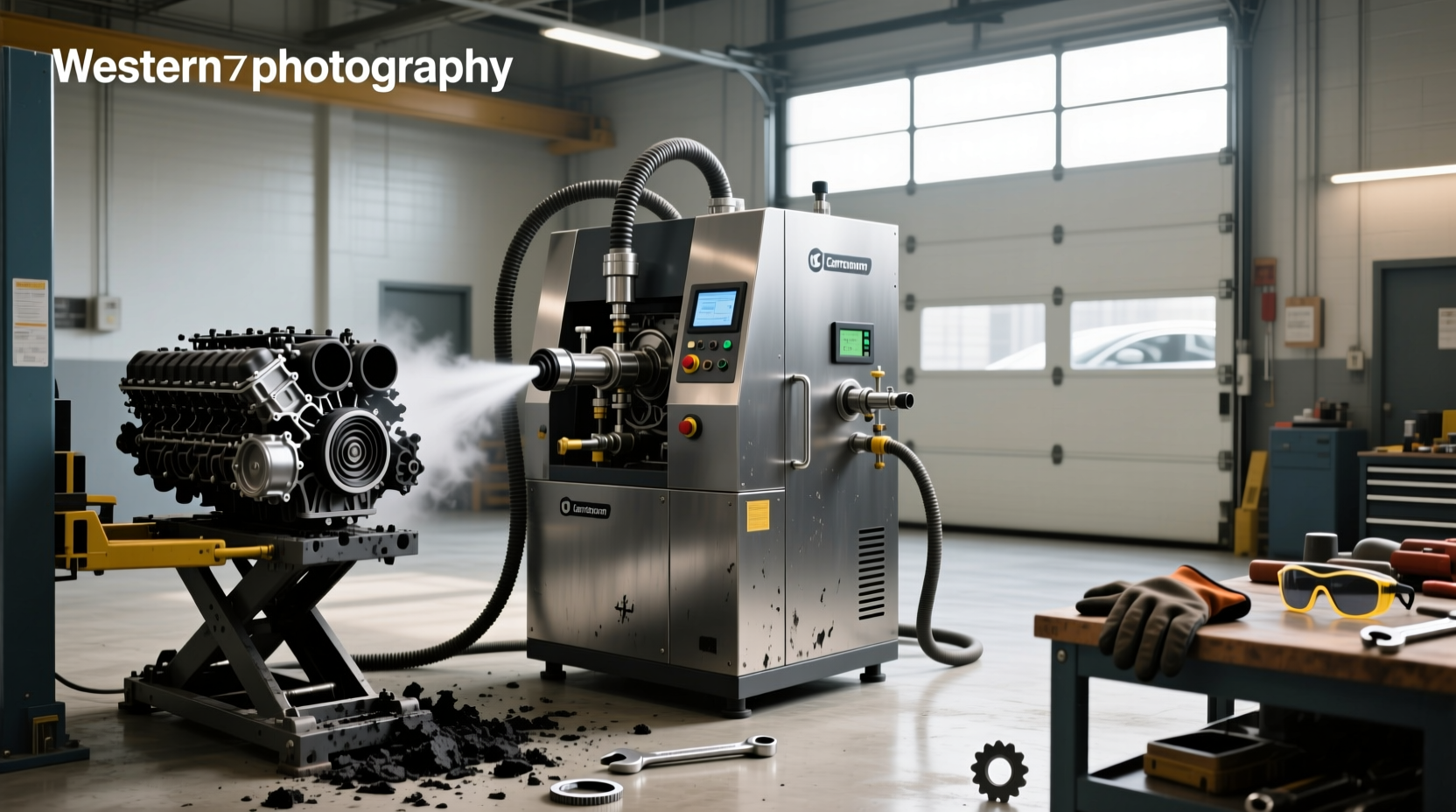
One of the most frequently asked questions among car owners and technicians is: how does an engine carbon cleaner machine actually work to restore performance without tearing down the engine? These devices claim to clean carbon buildup from intake valves, combustion chambers, and fuel systems using chemical or hydrogen-based processes—without removing any parts. While some swear by them, others argue they offer minimal benefits compared to traditional methods like walnut blasting. This guide breaks down the science behind these machines, evaluates real-world effectiveness based on mechanic discussions and field tests, compares cleaning methods, and helps you decide whether investing in a professional carbon cleaning service—or equipment—is truly worth it for your vehicle.
What Is an Engine Carbon Cleaner Machine?
An engine carbon cleaner machine is a diagnostic and maintenance tool designed to remove carbon deposits from internal engine components such as intake valves, pistons, and combustion chambers. Instead of requiring engine disassembly, these machines introduce a cleaning agent—typically a liquid solvent, activated foam, or hydrogen-oxygen gas mixture—into the engine’s air intake system while it runs at idle or under controlled conditions 1.
The process, often referred to as decarbonization or online carbon cleaning, aims to dissolve or break apart hardened carbon residues that accumulate over time due to incomplete combustion, especially in direct-injection gasoline engines (GDI). These deposits can lead to rough idling, reduced fuel efficiency, increased emissions, and even misfires.
Why Carbon Buildup Happens in Modern Engines
To understand why carbon cleaners are marketed so heavily today, it's essential to recognize how modern engine design contributes to the problem. In port fuel injection (PFI) engines, fuel passes through the intake manifold and helps wash away deposits on intake valves. However, in gasoline direct injection (GDI) engines—common in vehicles made after 2010—the fuel is injected directly into the combustion chamber, bypassing the intake valves entirely.
As a result, oil vapors from the crankcase ventilation system (PCV) and exhaust gas recirculation (EGR) systems coat the backside of intake valves with unburned hydrocarbons, which bake into hard carbon over time ✅. Turbocharged engines exacerbate this issue due to higher operating temperatures and pressure. Symptoms include:
- 📉 Rough idle or stalling at startup
- ⛽ Decreased fuel economy
- 🚨 Illuminated check engine light (often with P0300 random misfire code)
- 💨 Increased exhaust smoke or emissions
- 📉 Loss of power or hesitation during acceleration
Types of Engine Carbon Cleaning Methods
Not all carbon removal techniques are created equal. There are three primary approaches used by shops and DIYers:
1. Chemical Solvent Injection (Machine-Based Online Cleaning)
This method uses a specialized engine carbon cleaner machine that delivers a precise amount of solvent—often a proprietary blend containing polyether amines (PEA), naphtha, or other detergents—into the intake tract via vacuum lines or throttle body while the engine runs ⚙️. The solvent vaporizes and flows into the combustion chamber, where it dissolves soft carbon deposits.
Some advanced systems use activated foaming agents that expand upon contact with heat and metal surfaces, increasing dwell time on intake valves 2. Machines like those from Carbon Flush or Wynn’s operate on this principle. Sessions usually last 20–45 minutes.
Pros:
- 🔧 No disassembly required
- ⏱️ Fast service (under one hour)
- 🚚 Can be performed during routine maintenance
- 🧼 Limited effectiveness on heavy, baked-on deposits
- 🧪 May not reach piston crowns or exhaust valves effectively
- ❗ Potential risk if solvents enter oil pan or catalytic converter
2. Hydrogen-Oxygen (HHO) Decarbonization
A newer technology involves generating HHO gas (a mix of hydrogen and oxygen via electrolysis) and feeding it into the engine’s air intake. Once ignited, the theory goes, the high-temperature flame burns off carbon deposits more cleanly than regular combustion.
Proponents claim this method cleans both intake and exhaust sides, including EGR valves and turbo vanes. It’s considered safer than solvent injection because no foreign chemicals enter the system. However, independent verification of its efficacy remains limited.
Pros:
- 🌍 Environmentally friendly (only water and electricity needed)
- 🔥 Reaches areas solvents might miss
- ✅ Non-corrosive to gaskets and seals
- 🏭 Requires expensive equipment ($2,000–$8,000 per unit)
- 🔍 Results vary widely by technician skill and engine condition
- ❓ Lack of standardized protocols across providers
3. Physical Removal (Walnut Blasting & Manual Cleaning)
The most effective—but labor-intensive—method is physically removing the intake manifold and blasting carbon off valves using crushed walnut shells. This abrasive media is hard enough to remove carbon but soft enough not to damage aluminum components.
This approach guarantees visibility and access to the affected areas. Many European brands like BMW, Audi, and Volkswagen recommend or require this procedure when carbon accumulation exceeds acceptable levels.
Pros:
- ✨ Complete removal of stubborn deposits
- 🔍 Visual confirmation post-cleaning
- 🧰 Often paired with valve stem seal inspection
- 🛒 High cost ($500–$1,200 depending on region)
- 📍 Labor-intensive (4–6 hours average)
- 📌 Not suitable for every vehicle without proper expertise
Do Engine Carbon Cleaner Machines Really Work?
The answer depends on context—and expectations ❓. For mild cases of carbon fouling in relatively new engines (<80,000 miles), online cleaning with a quality machine may restore smooth idle and slightly improve throttle response. Several YouTube reviewers, including DIYAutoworksNG and Man Vs Cars, tested products like Liqui Moly and found measurable improvements in idle stability after multiple treatments 3.
However, experts like Scotty Kilmer argue that carbon cleaning is unnecessary for most cars unless they exhibit clear symptoms or have known issues—such as older VW GTI models prone to severe intake valve coking 4. He warns that many shops upsell the service unnecessarily, particularly on vehicles showing no drivability problems.
Independent forums like Reddit’s r/cars and Facebook groups such as Mechanics Association of Kenya show mixed user experiences. Some mechanics report success with solvent flushes, while others insist only physical removal works reliably 5.
| Cleaning Method | Effectiveness | Cost Range | Time Required | Best For |
|---|---|---|---|---|
| Solvent Injection Machine | Low-Medium | $100–$300 | 30–60 min | Preventive maintenance, mild symptoms |
| Hydrogen-Oxygen (HHO) | Medium (unverified) | $150–$400 | 45–90 min | Newer tech enthusiasts, eco-focused shops |
| Walnut Blasting | High | $500–$1,200 | 4–6 hrs | Severe buildup, European GDI engines |
| Fuel Additives (DIY) | Very Low | $10–$30 | Multiple tanks | Maintenance between services |
When Should You Consider Using a Carbon Cleaning Machine?
Before opting for any type of decarbonization, assess your vehicle’s actual needs. Here are key scenarios where intervention may be justified:
- 🚗 You drive mostly short trips (less than 5 miles), leading to frequent cold starts and poor combustion efficiency
- ⛽ Your car has over 75,000 miles and uses direct injection (especially FSI, TSI, DI, or EcoBoost engines)
- 📉 You’ve noticed worsening idle quality, especially in morning startups
- 📊 A technician confirms carbon buildup via borescope inspection (highly recommended before treatment)
- 🔁 Previous attempts with fuel additives failed to resolve symptoms
If none of these apply, routine oil changes and occasional highway driving may suffice to keep deposits under control.
Risks and Limitations of Machine-Based Cleaning
While non-invasive, machine-based cleaning isn’t risk-free. Common concerns include:
- Solvent contamination: Excess fluid entering the oil sump can dilute motor oil, reducing lubricity and potentially damaging bearings.
- Catalytic converter damage: Unburned solvents exiting the exhaust can overheat and degrade the catalyst substrate.
- Incomplete cleaning: Machines cannot guarantee full deposit removal, especially on exhaust side or piston tops.
- False confidence: Drivers may believe the issue is resolved when underlying causes—like faulty PCV valves or oil consumption—are still present.
Always ensure the technician performing the service follows manufacturer-recommended procedures and uses appropriate flow rates and concentrations.
How Often Should You Decarbonize an Engine?
There is no universal interval for engine decarbonization. Unlike oil changes or brake inspections, automakers rarely specify a schedule for carbon cleaning. That said, preventive maintenance intervals suggested by third-party providers (e.g., every 30,000–50,000 miles) lack empirical support.
Better indicators include:
- 👀 Borescope inspection showing visible buildup on intake valves (>30% coverage)
- 📉 Verified drop in volumetric efficiency or airflow readings
- 🔧 History of similar issues in your model (check owner forums)
For example, certain BMW N54/N55 engines and Ford EcoBoost variants are known to develop carbon issues earlier than average, making proactive monitoring worthwhile.
DIY vs. Professional Carbon Cleaning: What’s Feasible?
Some drivers attempt DIY cleaning using spray cleaners introduced through the brake booster hose—a method mentioned by Scotty Kilmer for older VWs. While low-cost, this approach lacks precision and control over dosage and delivery timing.
Home-use kits exist, but they mimic professional machines at a fraction of the capability. Without proper calibration, users risk flooding the engine or failing to achieve meaningful results.
For reliable outcomes, professional-grade equipment operated by trained technicians offers better consistency. Look for shops that provide before-and-after borescope videos—a strong indicator of transparency and technical competence.
Alternatives to Machine Cleaning
Before resorting to chemical or hydrogen cleaning, consider these proven strategies:
- Regular highway driving: Sustained high RPM operation helps burn off light deposits naturally.
- High-quality synthetic oil: Reduces volatility and blow-by, minimizing oil contribution to carbon formation.
- PCV system maintenance: Replace stuck or leaking PCV valves regularly to reduce oil vapor entering the intake.
- Fuel system additives: Use TOP TIER detergent gasoline or add PEA-based cleaners periodically—not as a cure, but as a preventative measure.
Final Verdict: Are Engine Carbon Cleaner Machines Worth It?
Engine carbon cleaner machines serve a niche role in automotive maintenance. They are best viewed not as miracle solutions, but as diagnostic and palliative tools—useful for early-stage carbon mitigation or symptom relief in mildly affected engines.
They do not replace mechanical cleaning when buildup is severe. Moreover, their value diminishes significantly when applied preventively on healthy engines. Always verify the presence of carbon deposits before proceeding, ideally with a borescope inspection.
Ultimately, the decision should be based on observed symptoms, vehicle age and design, and cost-benefit analysis—not marketing claims.
Frequently Asked Questions
- Does engine carbon cleaning really work?
- It can improve symptoms in mildly affected engines, but it's not a substitute for physical cleaning when deposits are severe. Effectiveness varies by method and engine condition.
- What removes carbon from an engine most effectively?
- Physical methods like walnut blasting are the most thorough. Chemical and hydrogen-based machines offer less invasive options with moderate success in early-stage buildup.
- How do you remove carbon from a car engine without disassembly?
- You can use an engine carbon cleaner machine that injects solvent or HHO gas into the intake system while the engine runs. Results depend on deposit severity and machine quality.
- How often should you decarbonize your engine?
- There's no standard interval. Only consider it if symptoms arise or a borescope inspection confirms significant buildup, typically after 75,000+ miles in GDI engines.
- Can I damage my engine with a carbon cleaning machine?
- Potential risks include solvent contamination of oil, catalytic converter overheating, or incomplete cleaning leading to false confidence. Proper technique and equipment calibration are critical.





 浙公网安备
33010002000092号
浙公网安备
33010002000092号 浙B2-20120091-4