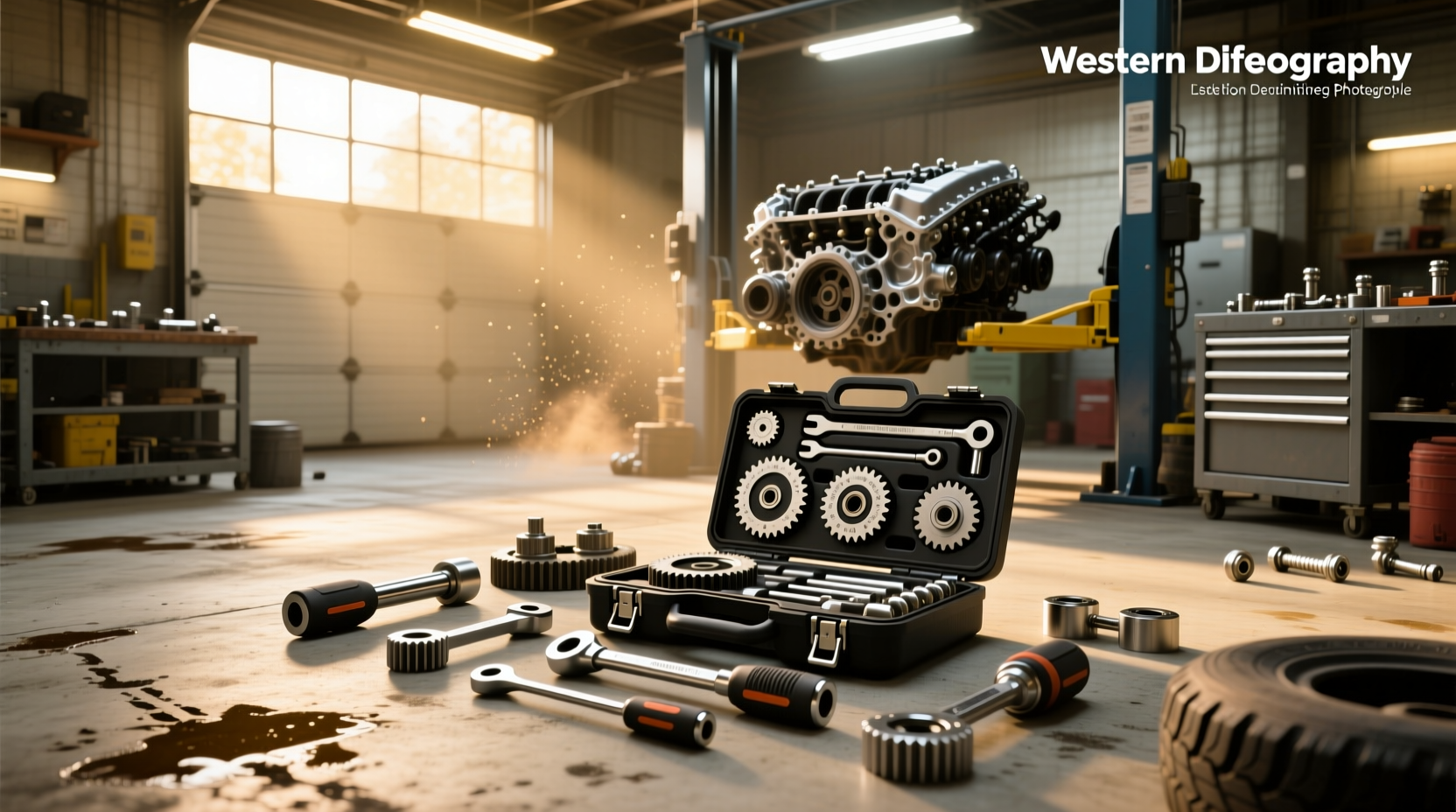
🔧 An engine timing tool kit is essential for ensuring precise synchronization between the crankshaft, camshaft, and fuel injection system in internal combustion engines. Whether you're working on a diesel truck, performance vehicle, or marine engine, using the correct timing tools helps prevent misfires, power loss, and long-term engine damage. These kits typically include locking pins, dial indicators, camshaft alignment tools, and injection pump timing gauges designed for specific engine models such as Cummins, Detroit Diesel, Ford, Mercedes-Benz, and more ⚙️.
For mechanics and DIY enthusiasts alike, understanding how to use an engine timing tool kit correctly can mean the difference between a smooth-running engine and costly repairs. This guide breaks down everything you need to know—from identifying the right components and their functions, to common applications across different engine types, installation best practices, and avoiding frequent mistakes during timing procedures ✅.
Why Accurate Engine Timing Matters
Engine timing refers to the precise coordination of valve opening/closing events (controlled by the camshaft) with piston position (linked to the crankshaft). In diesel engines, it also includes the exact moment fuel is injected into the cylinder—known as injection pump timing. Even slight deviations from factory specifications can lead to poor performance, increased emissions, hard starting, or catastrophic mechanical failure ❗.
When replacing timing belts, chains, or performing head work, the engine must be locked at Top Dead Center (TDC) to ensure all moving parts are synchronized. Without proper locking tools, there's no reliable way to verify alignment. That’s where a dedicated engine timing tool kit becomes indispensable. These tools physically lock rotating components in place, preventing movement during disassembly and reassembly.
Components of a Typical Engine Timing Tool Kit
A comprehensive kit varies depending on the make and model but generally contains several key elements:
- Camshaft Locking Tools: Pins or plates that secure the camshafts in position once aligned.
- Crankshaft Locking Pin: Inserts into the flywheel or harmonic balancer to fix the crankshaft at TDC.
- Injection Pump Timing Gauge: Measures plunger lift or rotation angle to set static or dynamic injection timing.
- Dial Indicator & Magnetic Base: Used with adapters to measure small movements in pumps or lifters.
- Timing Chain Tensioner Release Tools: For releasing hydraulic tensioners without damaging them.
- Specialty Wrenches: Designed for adjusting injection pumps or holding gears during setup.
Some kits are model-specific—for example, tools for a Ford 6.7L Power Stroke differ significantly from those needed for a Duratorq TDCi engine. Always confirm compatibility before beginning any job 🔍.
Common Applications: When Do You Need a Timing Tool Kit?
You’ll typically require an engine timing tool kit in the following scenarios:
- Replacing a Timing Belt or Chain: After removal, the camshafts may rotate out of sync. Locking tools restore correct phasing.
- Installing a New Head Gasket: Any time the cylinder head is removed, cam timing must be reset accurately.
- Servicing Fuel Injection Pumps: Especially on older diesel engines like Cummins 5.9L or Detroit Diesel Series 60, static timing adjustment requires specialized fixtures.
- Performance Tuning: Modifying cam profiles or advancing/retarding timing for power gains demands precision measurement tools.
- Diagnosing Starting Issues: If an engine turns over but won’t start, incorrect timing could be the culprit—tools help verify alignment.
Using generic substitutes (like bolts or zip ties) instead of OEM-recommended tools risks improper assembly and future breakdowns. Factory service manuals often specify exact part numbers for timing equipment, which third-party manufacturers replicate for consumer use.
How to Use an Engine Timing Tool Kit: Step-by-Step Overview
The process varies by engine, but here’s a generalized workflow applicable to many inline-four and V-type configurations ⏱️:
Step 1: Position the Engine at TDC
Rotate the crankshaft clockwise using a socket wrench until the #1 piston reaches Top Dead Center on the compression stroke. This is usually confirmed via a timing mark on the harmonic balancer or flywheel. Some systems use a hole in the transmission bellhousing where a pin can be inserted to lock the flywheel.
Step 2: Install Crankshaft Locking Tool
Once TDC is confirmed, insert the crankshaft locking pin or bolt to prevent rotation during servicing.
Step 3: Align Camshafts
Remove valve covers and rotate each camshaft so its timing notch or scribe mark aligns with the cylinder head surface. Then install cam locking bars or pins to hold them in place.
Step 4: Secure the Injection Pump (Diesel Engines)
On diesel engines, attach the appropriate adapter and dial indicator to measure plunger travel. Adjust the injection pump until readings match manufacturer specs (e.g., 0.050” ± 0.002”). Lock it in position once set.
Step 5: Reassemble and Verify
After installing new belts/chains and tensioners, double-check that all locks remain engaged. Slowly rotate the engine two full revolutions by hand to ensure no interference occurs. Recheck alignment marks before final reassembly.
This method ensures that valve timing and injection events occur at the intended moments in the combustion cycle. Skipping steps or rushing this process increases the risk of bent valves or hydrolock.
Model-Specific Tool Requirements
Not all engines use the same design philosophy, so tooling differs widely:
| Engine Type | Common Tool Functions | Example Kit Features |
|---|---|---|
| Ford 6.0L/6.4L Power Stroke | High-pressure oil system support, injector sleeve tools | Camshaft holding fixture, STC fitting tool |
| Cummins 5.9L/6.7L ISB | Fuel pump timing, front cover seal replacement | Dial indicator with magnetic base, J-46392 gauge |
| Mercedes M157/M278 V8 | Variable cam timing locking, chain tensioner reset | Cam sprocket holders, VANOS adjustment tools |
| Detroit Diesel Series 60 | Unit injector timing, gear train alignment | J-35637-A timing gauge, crank target wheel tool |
| Volkswagen TDI (ALH, BEW) | Timing belt alignment, cam carrier pins | TDC flywheel lock, camshaft locking bar |
Always refer to your vehicle’s service manual for torque specs, sequence diagrams, and required specialty tools. Many modern engines have variable valve timing (VVT), requiring additional actuators or solenoid checks post-installation.
Can You Use Universal Tools Instead of OEM Kits?
While some universal tools exist—such as adjustable dial indicators or generic pullers—true timing accuracy depends on precision-machined components made to fit specific engine geometries. Universal kits may save money upfront but often lack the rigidity or exact fitment needed for repeatable results.
OEM-equivalent kits from reputable suppliers offer better durability and reliability. Look for kits made from hardened steel with knurled handles and clear calibration markings. Avoid plastic-bodied tools or those with loose tolerances—they compromise safety and accuracy.
Where to Buy Reliable Engine Timing Tool Kits
These tools are available through professional automotive suppliers, specialty shops catering to diesel technicians, and online marketplaces focused on mechanical equipment 🌐. When selecting a vendor, consider:
- Compatibility with your engine model
- Material quality and included accessories
- Availability of instructional guides or videos
- Return policy and warranty coverage
Many kits come with detailed instructions or reference charts showing how to interpret dial indicator readings. Some even include QR codes linking to tutorial videos demonstrating proper usage on real engines.
Common Mistakes to Avoid When Using Timing Tools
Even experienced mechanics can make errors when working under pressure. Here are frequent pitfalls:
- Assuming TDC Without Verification: Never rely solely on balancer marks; use a positive stop tool or degree wheel for confirmation.
- Forgetting to Reset Tensioners: Hydraulic tensioners should be compressed and pinned before installation to avoid sudden belt slack.
- Over-Tightening Locking Bolts: Excessive force can strip threads in aluminum housings or distort sensor rings.
- Ignoring Injection Pump Specifications: Static vs. dynamic timing matters—some pumps require running adjustments with scan tools.
- Rotating the Engine Backward: Always turn clockwise to prevent belt skipping or tensioner collapse.
Double-check every step against the factory manual. If something feels off—like resistance during rotation—stop immediately and investigate.
Do All Engines Require Specialized Timing Tools?
No—but most modern engines do. Older designs with simple timing gears and external marks (like classic V8s) may only need a timing light and basic wrenches. However, interference engines (where pistons contact valves if timing slips) demand extreme precision.
If your engine uses a timing chain with auto-tensioners and multiple camshafts (common in DOHC setups), investing in the correct kit is strongly advised. The cost of tools is minor compared to potential repair bills from incorrect timing.
Maintenance Tips for Your Timing Tool Kit
To extend tool life and maintain accuracy:
- Store in a dry, organized case to prevent corrosion.
- Clean metal surfaces after each use with light oil or rust inhibitor.
- Check dial indicators periodically against known standards.
- Replace worn pins or cracked plastic components promptly.
- Label adapters clearly if supporting multiple engine types.
Well-maintained tools last decades and pay for themselves across numerous jobs 👥.
Final Thoughts: Is an Engine Timing Tool Kit Worth It?
If you regularly service engines—especially diesels or high-performance gasoline units—an engine timing tool kit isn't just helpful; it's necessary ✨. While the initial investment might seem high (some complete sets exceed $500), they eliminate guesswork, reduce labor time, and increase confidence in your workmanship.
For occasional users, renting or borrowing tools from a local shop may be more economical. However, owning a core set for your primary vehicle type offers long-term value and peace of mind.
Frequently Asked Questions
- ❓ How do you know if the injection timing is correct?
- Use a timing light (gasoline) or dial indicator with a pump gauge (diesel) to compare actual readings against manufacturer specifications. On modern vehicles, a scan tool can read camshaft position sensor data relative to crankshaft position.
- ❓ How to correct injector timing?
- Loosen the injection pump mounting bolts, connect a timing gauge, and rotate the pump slightly while monitoring plunger lift or electronic signal. Tighten bolts once within spec and retest.
- ❓ Can I adjust engine timing without special tools?
- Basic ignition timing on older carbureted engines can be adjusted with a timing light. However, camshaft or diesel injection pump timing almost always requires dedicated locking tools and measuring devices for accuracy.
- ❓ What causes incorrect engine timing?
- Common causes include stretched timing chains, broken sprockets, improperly installed belts, worn tensioners, or accidental camshaft rotation during maintenance.
- ❓ Are timing tool kits interchangeable between brands?
- No. Each engine has unique geometry and alignment points. Always use tools designed for your specific make, model, and engine code.





 浙公网安备
33010002000092号
浙公网安备
33010002000092号 浙B2-20120091-4