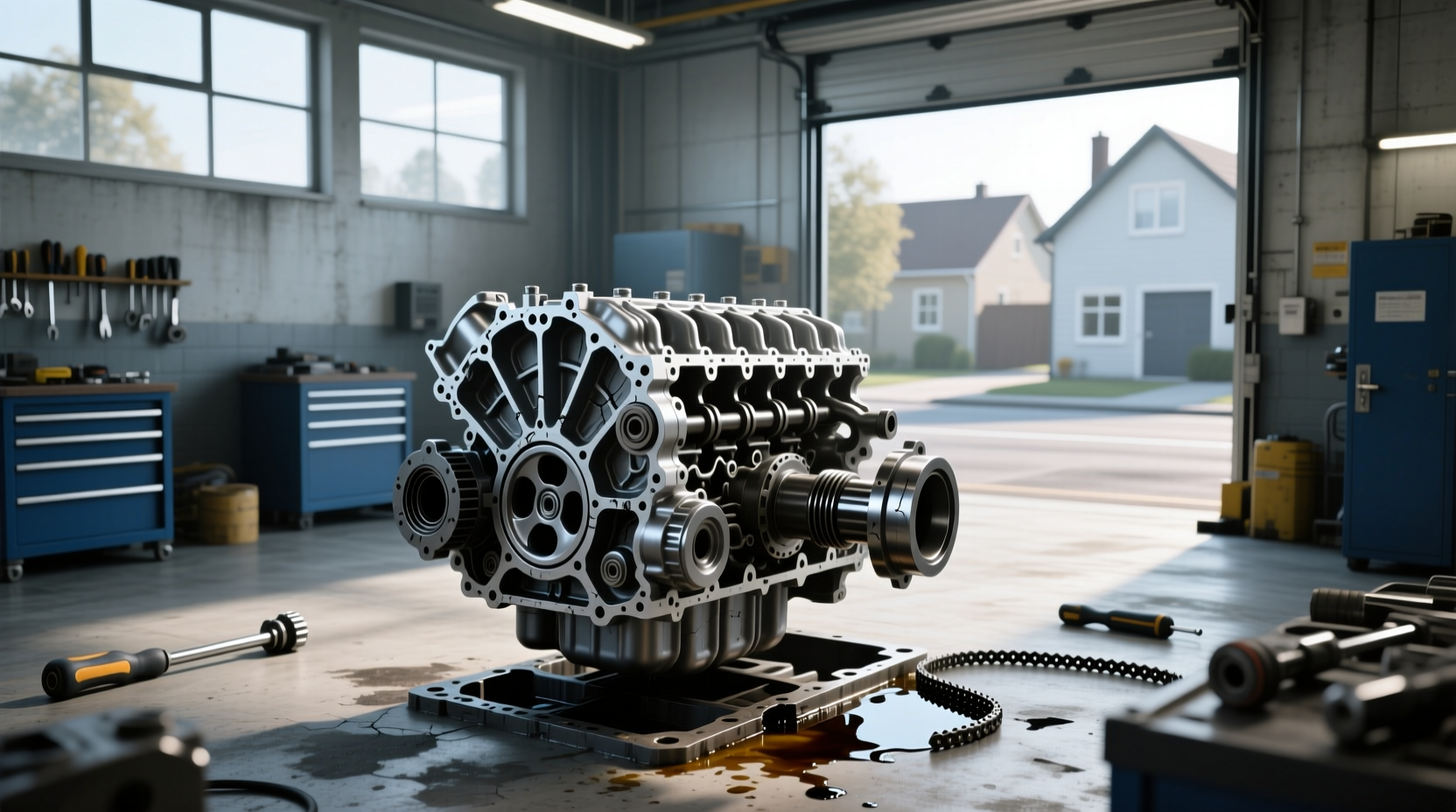
🔧 If you own or are considering a Mercedes-Benz C180 or C200 from the mid-2000s to early 2010s equipped with the M271 engine, understanding its common mechanical issues is crucial. The Mercedes M271 1.8L CGI inline-4 engine was praised for its efficiency and compact design but has developed a reputation for several recurring problems—especially in high-mileage vehicles. Key concerns include high-pressure fuel pump (HPFP) failure, carbon buildup on intake valves, ignition coil degradation, and oil leaks from the camshaft adjuster seals. These issues can lead to rough idling, reduced power, misfires, and even engine stalling if not addressed early.
This comprehensive guide breaks down every known M271 engine problem, explains root causes, outlines warning signs, and provides practical maintenance strategies to extend engine life. Whether you're shopping for a used W204 C-Class or already own one, this article helps you make informed decisions, avoid costly repairs, and understand what servicing steps matter most.
Understanding the M271 Engine: Design and Applications
The Mercedes-Benz M271 engine is a 1.8-liter (1796 cc) turbocharged or supercharged inline-four gasoline engine introduced in the early 2000s and used primarily between 2005 and 2014. It's best known for powering entry-level variants of the W204 C-Class (C180, C200), as well as some CLK, E-Class, and SLK models 1. Two main versions exist: naturally aspirated (early models), supercharged (Kompressor), and later turbocharged direct-injection (CGI – Charged Gasoline Injection) variants.
⚙️ The CGI version, particularly the M271 DE18 LA, uses spray-guided direct fuel injection, where fuel is injected under high pressure directly into the combustion chamber. This improves fuel economy and output but increases complexity and sensitivity to maintenance neglect. Power outputs range from 115 hp in base models to up to 204 hp in higher-tuned AMG Sport packages.
🏭 Built at Mercedes’ Untertürkheim plant in Germany, the M271 was designed to balance performance with emissions compliance during a transitional period in European automotive regulations. However, its advanced tech came with trade-offs in long-term durability when maintenance intervals are ignored or low-quality parts are used.
Top 5 M271 Engine Problems and Symptoms
1. High-Pressure Fuel Pump (HPFP) Failure ⚠️
One of the most widespread M271 engine problems involves the high-pressure fuel pump. Located on the side of the engine block and driven by the camshaft, it generates pressures exceeding 2,000 psi required for direct injection.
🔍 Symptoms:
- Difficulty starting, especially when cold
- Engine hesitation or stuttering under acceleration
- Illuminated check engine light with codes like P0087 (Fuel Rail Pressure Too Low)
- Complete no-start condition in severe cases
The HPFP relies on fuel for lubrication and cooling. Using poor-quality gasoline or infrequent fuel filter changes accelerates wear. Once internal components fail, debris can spread through the fuel system, damaging injectors.
✅ Solution: Replace the HPFP with an OEM or reputable aftermarket unit (e.g., Bosch). Always replace the fuel filter simultaneously and flush the lines if contamination is suspected. Preventive replacement around 120,000 miles may be wise for vehicles in regions with inconsistent fuel quality.
2. Intake Valve Carbon Buildup 🧼
Unlike port-injected engines, the M271’s direct injection system sprays fuel *after* the intake valves, meaning there’s no fuel wash to clean them. Over time, oil vapors from the crankcase ventilation (PCV) system coat the valves, leading to carbon accumulation.
🔍 Symptoms:
- Rough idle or misfires at low RPM
- Reduced throttle response
- Increased fuel consumption
- Poor cold-start behavior
This issue worsens with short-trip driving and delayed oil changes, both of which increase blow-by gases entering the intake tract.
✅ Solution: Perform regular induction cleaning using professional walnut blasting. Some mechanics use chemical cleaners via the intake manifold, though results vary. Installing an upgraded PCV valve or catch can reduces oil vapor flow and slows future buildup.
3. Ignition Coil and Spark Plug Failures 🔧
The M271 operates under high cylinder pressures due to forced induction (supercharger or turbo). This places extra stress on ignition components.
🔍 Symptoms:
- Intermittent misfires (commonly cylinder #2 or #3)
- Vibration felt through the steering wheel at idle
- DTCs such as P0300 (Random Misfire) or P0302 (Cylinder 2 Misfire)
- Diminished fuel economy
Ignition coils degrade over time due to heat cycling and voltage load. Spark plugs, typically iridium-tipped, should last 60,000–80,000 miles but often fail earlier if coils aren't replaced proactively.
✅ Solution: Replace all six ignition coils (despite only one failing) and install new spark plugs during the same service. Use OEM-spec or Denso/OEM-equivalent parts. Avoid cheap aftermarket coils that may not handle peak voltages reliably.
4. Camshaft Adjuster Oil Leaks ❗
The variable valve timing (VVT) system uses hydraulic actuators (cam adjusters) controlled by solenoids. Seals within these units can deteriorate, allowing oil to leak into the timing cover.
🔍 Symptoms:
- Oil seepage or dripping near the front of the engine
- Low oil level despite no external leaks elsewhere
- Check engine light with camshaft position sensor codes (e.g., P0016)
- Potential VVT malfunction affecting performance
Left unchecked, oil loss can lead to inadequate lubrication of critical components, including the timing chain tensioner.
✅ Solution: Replace both intake and exhaust camshaft adjusters with updated OEM units. While labor-intensive (requires partial timing cover removal), doing so prevents further oil consumption and potential engine damage.
5. Timing Chain Tensioner Wear ⏱️
Though less common than in other Mercedes engines, some M271 units have exhibited premature timing chain wear linked to tensioner failure.
🔍 Symptoms:
- Rattling noise from the front of the engine on cold start
- Noise diminishes after warm-up but returns over time
- Severe cases: skipped teeth or chain jump leading to bent valves
Cause: Weak spring force in older tensioner designs or sludge buildup restricting oil flow to the tensioner piston.
✅ Solution: Inspect tensioner condition during major services. Consider preventive replacement if the vehicle exceeds 100,000 miles or has a history of delayed oil changes. Use only fully synthetic oil meeting MB 229.5 specification to maintain proper viscosity and cleanliness.
Reliability Overview: Is the M271 Engine Trustworthy?
👥 Opinions on M271 engine reliability vary widely across owner forums like Reddit’s r/W204 and specialized Mercedes communities. Vehicles with consistent maintenance and full synthetic oil changes every 7,500–10,000 miles often surpass 150,000 miles without major repairs. Others report multiple failures before 80,000 miles—usually tied to deferred servicing or poor repair history.
📊 Here's a quick summary of real-world feedback:
| Factor | Positive Impact | Negative Impact |
|---|---|---|
| Regular Oil Changes | Extends HPFP, tensioner, and VVT life | Sludge leads to oil starvation and part failure |
| Fuel Quality | Reduces carbon deposits and HPFP wear | Poor fuel accelerates injector and pump issues |
| Driving Style | Highway driving aids carbon burn-off | Frequent short trips promote valve coking |
| Parts Used | OEM parts ensure longevity | Cheap coils/filters cause repeat failures |
✨ Bottom line: The M271 isn’t inherently unreliable—but it demands disciplined upkeep. Think of it as a precision instrument rather than a rugged workhorse.
How to Buy a Used Car with an M271 Engine: A Buyer’s Checklist 📋
If you’re shopping for a used Mercedes with the M271 engine (e.g., W204 C180/C200), follow these steps to minimize risk:
- Review Service Records: Look for documented oil changes every 7,500–10,000 miles using MB-approved synthetic oil.
- Scan for DTCs: Use an OBD2 scanner to check for stored codes related to fuel, ignition, or camshaft timing—even if the check engine light is off.
- Inspect for Oil Leaks: Focus on the front timing cover area and valve cover gasket.
- Test Drive Cold Start: Listen for unusual noises (rattles, knocks) upon startup, which could indicate tensioner or adjuster issues.
- Check for Rough Idle: Feel for vibrations or misfires at stoplights.
- Verify Recent Major Repairs: Ask if the HPFP, ignition coils, or cam adjusters were replaced—and get receipts.
- Consider a Pre-Purchase Inspection (PPI): Have a specialist Mercedes mechanic perform a thorough evaluation, including compression and leak-down tests.
Maintenance Tips to Prevent M271 Engine Issues ✅
Prevention beats expensive fixes. Follow these best practices:
- 🧼 Change oil every 7,500 miles using MB 229.5-compliant full synthetic (e.g., Mobil 1 Turbo, Liqui Moly Leichtlauf).
- 🛒 Replace fuel filter every 60,000 miles—it protects the HPFP and injectors.
- 🔧 Swap ignition coils and spark plugs at 80,000 miles, even if no symptoms appear.
- 🌐 Use top-tier gasoline (91+ octane) with detergent additives to reduce carbon formation.
- 🚚 Avoid prolonged idling; take occasional highway drives to help clear intake valves.
- 🧰 Install an oil catch can to reduce PCV-related carbon buildup (aftermarket kits available).
Common Misconceptions About the M271 Engine ❓
Several myths persist about the M271. Let’s clarify:
- Myth: “All M271 engines blow head gaskets.” → False. Head gasket failure is rare unless the engine overheats due to cooling system neglect.
- Myth: “Turbo versions are less reliable than Kompressor ones.” → Debatable. Turbos run cooler than superchargers but add exhaust-side complexity. Both share core vulnerabilities (HPFP, carbon).
- Myth: “You can’t trust any car with over 100k miles.” → Overgeneralization. Mileage matters less than maintenance history. A well-cared-for 130,000-mile M271 can outlast a neglected 60,000-mile example.
Regional Differences and Fuel Quality Impact 🌍
Fuel quality varies globally, significantly impacting M271 longevity. In countries with low-sulfur, high-octane gasoline (e.g., Germany, Japan, Canada), owners report fewer HPFP and injector issues. In regions with inconsistent fuel standards (e.g., parts of Eastern Europe, Middle East, Africa), premature pump wear is more common.
📍 Tip: If you live in an area with marginal fuel quality, consider installing an inline fuel filter or conditioner and refill at trusted stations only.
Repair Costs: What to Expect 💰
Labor rates vary by location, but here are average U.S. estimates for common M271 repairs:
| Repair | Part Cost | Labor Cost | Total Estimate |
|---|---|---|---|
| High-Pressure Fuel Pump | $400–$600 | $600–$900 | $1,000–$1,500 |
| Camshaft Adjuster Replacement (x2) | $300–$500 | $800–$1,200 | $1,100–$1,700 |
| Ignition Coils & Plugs (full set) | $350–$500 | $300–$500 | $650–$1,000 |
| Intake Valve Cleaning (Walnut Blasting) | $100–$200 | $600–$900 | $700–$1,100 |
These figures underscore why preventive care pays off. Budgeting $1,500–$2,000 for proactive maintenance between 80,000–100,000 miles can prevent $4,000+ in emergency repairs later.
Final Verdict: Should You Buy or Keep an M271-Powered Vehicle?
The answer depends on your priorities:
- ✅ Yes, if: You value German engineering, plan to maintain it rigorously, and want a comfortable daily driver with decent fuel economy (~25 mpg city, ~35 mpg highway).
- ❌ No, if: You expect trouble-free ownership without investing in scheduled maintenance, or you lack access to a qualified independent Mercedes technician.
The M271 engine isn’t perfect, but many of its common problems are predictable and preventable. With proper care, it remains a capable powerplant that delivers smooth performance and respectable longevity.
Frequently Asked Questions (FAQs)
- ❓ What years did Mercedes use the M271 engine?
- The M271 engine was used from approximately 2005 to 2014, mainly in W204 C-Class models (2007–2014), as well as certain CLK, E-Class, and SLK variants.
- ❓ Does the M271 engine have a timing belt or chain?
- The M271 uses a timing chain, not a belt. While chains are generally longer-lasting, they can stretch or fail if oil pressure is inadequate or maintenance is neglected.
- ❓ Can I upgrade the M271 engine for more power?
- Yes, moderate tuning (e.g., ECU remap) can safely increase output by 30–50 hp. However, pushing beyond factory limits stresses the HPFP, turbo/supercharger, and cooling system, increasing failure risk.
- ❓ How much does a complete M271 engine swap cost?
- A used long-block engine starts around $2,500; a rebuilt unit costs $4,000–$6,000. With installation, expect $6,000–$9,000 total. Verify compatibility with your model year and transmission.
- ❓ Are there any recalls related to the M271 engine?
- Check the official Mercedes-Benz recall portal with your VIN. Some regional campaigns addressed fuel pump and electrical connector issues, but no global safety recall covers all M271 engines.





 浙公网安备
33010002000092号
浙公网安备
33010002000092号 浙B2-20120091-4