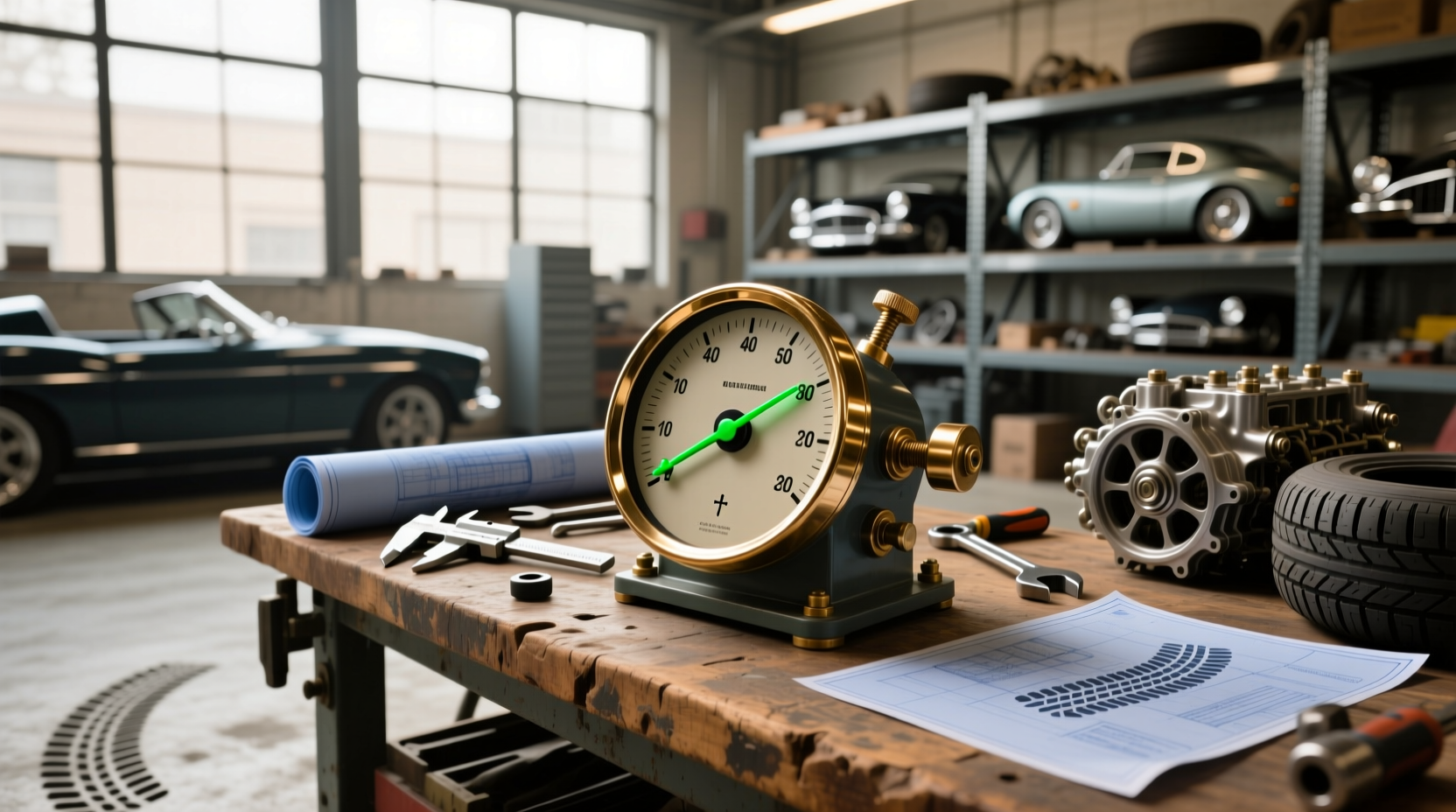
A speedometer machine is a critical component in vehicles designed to measure and display real-time speed. Unlike GPS-based apps or distance-tracking devices, a true speedometer machine integrates mechanical, electronic, or digital systems to provide accurate speed readings directly from the vehicle’s transmission or wheel rotation. This guide explores the function, types, installation considerations, and common misconceptions about speedometer machines—helping drivers, mechanics, and fleet operators understand when and why they need one, how to verify accuracy, and what alternatives exist for monitoring speed and distance.
Understanding the Speedometer Machine: Core Function and Design
The primary role of a speedometer machine is to translate rotational motion from a vehicle’s drivetrain into a readable speed value, typically in kilometers per hour (km/h) or miles per hour (mph). Modern implementations vary significantly depending on vehicle type, age, and technology level. There are two main categories: mechanical and electronic speedometers.
In older vehicles, a mechanical speedometer machine uses a flexible cable connected to the transmission. As the vehicle moves, the cable spins at a rate proportional to the wheel speed. This rotation drives a magnet inside the gauge, creating a magnetic field that moves a needle across the dial. While durable and simple, these systems can suffer from calibration drift over time due to cable wear or gear misalignment 1.
In contrast, an electronic speedometer machine relies on sensors—usually mounted on the transmission or wheel hub—that generate electrical pulses as wheels rotate. These signals are sent to the vehicle’s Engine Control Unit (ECU), which calculates speed and sends data to a digital or analog display. Electronic systems offer greater precision, easier integration with dashboard computers, and support for additional features like cruise control and driver alerts.
Differentiating Speedometer Machines from Odometers and Distance Measuring Tools
One of the most common points of confusion arises between speedometers and odometers. A speedometer machine shows instantaneous speed; an odometer records cumulative distance traveled by the vehicle. Both often appear on the same dashboard cluster but serve distinct functions. For example, if you drive at 60 km/h for one hour, your speedometer will reflect 60 km/h during that period, while your odometer increases by 60 kilometers.
Some users searching for “speedometer machine” may actually be looking for standalone distance-measuring tools like road measuring wheels or rodometers—devices used in surveying, construction, or agriculture. These instruments, sometimes labeled as kilometer machines, use a calibrated wheel attached to a mechanical or digital counter to track linear distance over terrain. They are not vehicle-integrated and do not measure speed in real time 2.
Similarly, GPS-based smartphone apps advertised as “digital speedometers” rely on satellite signals rather than direct mechanical input. While convenient, they can lag behind actual speed under tunnels, dense urban environments, or poor signal conditions. True speedometer machines remain more reliable for consistent, engine-synced performance.
Types of Speedometer Machines and Their Applications
Speedometer machines come in various forms tailored to different vehicle classes and operational needs:
- Analog Speedometers: Feature a physical needle moving across a circular dial. Common in legacy cars and motorcycles, they are easy to read at a glance but lack programmability.
- Digital Speedometers: Display speed numerically using LCD or LED screens. Found in modern vehicles, they allow customization, integration with navigation, and error diagnostics. \li> Hybrid Displays: Combine analog dials with digital inserts showing trip data, fuel economy, or speed limits.
- Standalone Speed Sensors: Used in industrial or custom builds where OEM integration isn’t possible. These output pulse signals compatible with aftermarket gauges.
In commercial fleets, specialized speedometer machines may include tamper-proof logging capabilities to monitor driver behavior and ensure compliance with transportation regulations. In electric rickshaws or low-speed utility vehicles (especially in markets like India), compact LED-based meters combine speed indication with kilometer tracking and battery voltage display—all within a single unit 3.
How to Choose the Right Speedometer Machine
Selecting the appropriate speedometer machine depends on several factors:
Vehicle Compatibility ⚙️
Ensure the device matches your vehicle’s make, model, and year. Mismatched units may have incorrect gearing ratios or incompatible sensor outputs, leading to inaccurate readings. For instance, replacing a speedometer on a Hero Splendor motorcycle requires a model-specific part (e.g., 37210AAEH51S) to maintain calibration.
Signal Type: Mechanical vs. Electronic ✅
If your vehicle uses a cable-driven system, opt for a mechanical speedometer. If it relies on electronic sensors (common post-2000 models), choose an electronic version with matching voltage and pulse frequency. Adapters are available but add complexity.
Accuracy and Calibration 🔍
Factory-calibrated units are generally more reliable. Aftermarket models should specify tolerance levels (e.g., ±2%). You can verify accuracy using GPS comparison apps or roadside radar signs. Significant discrepancies (>5%) may indicate faulty installation or mismatched tire sizes.
Durability and Environmental Resistance 🌍
Vehicles operating in extreme climates or off-road conditions require sealed housings and vibration-resistant components. Look for IP (Ingress Protection) ratings indicating dust and moisture resistance.
Integration Features 📊
Advanced speedometer machines may interface with CAN bus networks, enabling communication with other onboard systems. This is essential for diagnostic reporting, adaptive lighting, or speed-dependent locking mechanisms.
Installation and Maintenance Tips
Installing a speedometer machine isn't always plug-and-play. Here are key steps and precautions:
- Disconnect Power: Always disconnect the battery before working on electrical components to prevent short circuits.
- Match Sensor Output: Confirm that the new unit’s input signal (e.g., 4,000 pulses per mile) aligns with the vehicle’s ECU requirements.
- Check Cable Routing: For mechanical versions, avoid sharp bends or kinks in the speedometer cable, which can cause binding or premature wear.
- Calibrate After Tire Changes: Larger or smaller tires alter effective gear ratios, affecting speed readings. Recalibration may be necessary after changing tire diameter.
- Test Before Final Assembly: Run the vehicle briefly (on jack stands if needed) to confirm correct operation before reassembling dash panels.
Maintenance involves periodic inspection of connections, cleaning of displays, and checking for software updates in digital units. Unusual behaviors—such as flickering digits, stuck needles, or inconsistent speed reporting—often point to wiring issues, failing sensors, or internal gauge damage.
Common Misconceptions About Speedometer Machines
Several myths persist around speedometer functionality and legality:
- Myth: All speedometers are perfectly accurate. Reality: Manufacturers often calibrate speedometers to read slightly higher than actual speed (up to 10% over) to comply with safety standards and avoid legal liability.
- Myth: Digital means more accurate. While digital displays reduce parallax errors, accuracy still depends on proper calibration and sensor health.
- Myth: You can legally modify speed readings. Tampering with a speedometer machine to show false speeds is illegal in most jurisdictions and can void insurance coverage.
- Myth: GPS apps replace built-in speedometers. While useful for cross-checking, GPS lacks the regulatory acceptance and reliability of factory-installed systems.
Regional Considerations and Legal Standards
Regulations governing speedometer accuracy vary globally. In the European Union, UN Regulation No. 39 mandates that indicated speed must never be less than actual speed and cannot exceed it by more than 10% + 4 km/h. In the U.S., FMVSS Standard 127 allows similar tolerances but does not require third-party certification for replacement parts.
In emerging markets, informal repair ecosystems may offer low-cost replacements without adherence to international standards. Buyers should verify whether a speedometer machine meets local type-approval requirements, especially for commercial or export vehicles.
When to Replace a Speedometer Machine
Replacement becomes necessary under the following circumstances:
- Total failure (no movement or blank display)
- Persistent inaccuracy despite recalibration
- Physical damage from impact or water intrusion
- Upgrading to a digital dashboard or adding advanced driver assistance features
- Restoring classic vehicles with modern instrumentation
Before purchasing a replacement, diagnose the root cause. Sometimes, the issue lies not in the gauge itself but in the vehicle speed sensor (VSS), wiring harness, or ECU. Using an OBD2 scanner can help isolate faults in electronic systems.
Alternatives and Supplemental Tools
While the speedometer machine remains the standard for onboard speed monitoring, supplementary tools exist:
| Tool | Function | Pros | Cons |
|---|---|---|---|
| GPS Speedometer App | Uses satellite signals to estimate speed | Free, accessible, portable | Signal loss, latency, not legally recognized |
| Rodometer / Measuring Wheel | Manual distance tracking over ground | Highly accurate for surveys | Not for real-time speed, not vehicle-mounted |
| OBD2 Speed Reader | Displays speed via vehicle’s CAN bus | High accuracy, additional data | Requires port access, extra device |
| Laser Distance Meter | Measures fixed distances, not speed | Precise for static measurements | No continuous speed output |
These tools complement but don’t replace the integrated speedometer machine in daily driving scenarios.
Conclusion: Making Informed Decisions About Speedometer Machines
Understanding what a speedometer machine is—and isn’t—is crucial for maintaining vehicle safety, compliance, and performance. Whether you’re replacing a failed unit, upgrading instrumentation, or troubleshooting erratic readings, focus on compatibility, calibration, and build quality. Avoid confusing vehicle-integrated systems with standalone measuring devices marketed under similar terms. Always consult technical manuals or professional mechanics when in doubt, and prioritize solutions that meet regional regulatory standards.
Frequently Asked Questions
- What is the difference between a speedometer and an odometer?
- A speedometer shows current speed, while an odometer tracks total distance traveled by the vehicle.
- Can I install a speedometer machine myself?
- Yes, if you have basic mechanical or electrical skills, but improper installation can lead to inaccurate readings or damage. Refer to service manuals and test thoroughly.
- Why is my speedometer reading higher than my GPS?
- Manufacturers often design speedometers to read slightly above actual speed for safety compliance. A difference of up to 10% is normal.
- Do electric vehicles use speedometer machines?
- Yes, though they typically use electronic sensors rather than mechanical cables. The display mechanism is similar but integrated with battery management systems.
- Are digital speedometers more reliable than analog ones?
- Digital units reduce reading errors and integrate better with modern systems, but both types are reliable when properly maintained and calibrated.





 浙公网安备
33010002000092号
浙公网安备
33010002000092号 浙B2-20120091-4